Every property manager who calls three guard companies gets three different numbers back, and the instinct is to assume the highest quote is padded and the lowest is the deal. Neither assumption holds up once you understand what actually answers the question of how much does a security guard cost per hour in a given vendor’s quote — it isn’t an arbitrary markup, it’s a reflection of specific, real cost drivers that change from one contract to the next, and a buyer who understands those drivers ends up asking better questions than one chasing the lowest number on the page.
How much does a security guard cost per hour: location moves the number before anything else does
The cost of putting a licensed, properly insured officer on a post varies significantly by region, driven by the local labor market, cost of living, and how competitive the market for security officers is in that specific area. A company operating in a dense metro market with a tight labor pool for licensed officers is working with fundamentally different economics than one covering a rural account, and neither vendor is being dishonest — they’re both pricing against the actual market they’re hiring in. A buyer comparing quotes across regions, or comparing a national vendor’s number in one city against a local company’s number in another, is often not comparing anything apples-to-apples at all.
Armed versus unarmed is not a small adjustment
An armed post carries requirements a generic unarmed post doesn’t — additional licensing categories, additional insurance considerations, and typically a smaller pool of officers who are actually qualified and willing to work armed. Exact licensing and training requirements for armed officers vary by state and are set by each state’s regulator, and any company should confirm current requirements directly with that regulator and with counsel before making assignment decisions — this is not something a buyer or a vendor should treat as settled by general industry knowledge. What matters for cost is simpler: armed coverage draws from a smaller labor pool with a higher qualification bar, and that scarcity shows up in the rate regardless of which state you’re in.
Risk level and the job’s actual demands
A quiet daytime lobby post and a construction site with a history of theft attempts are not the same job, even if both are technically “one officer, one shift.” A post with a documented risk profile — prior incidents, high-value materials on site, a location known for after-hours activity — typically calls for a more experienced officer, and sometimes calls for the company to staff it in a way that accounts for the added exposure to itself, not just to the officer. A buyer who treats every post as interchangeable and shops purely on rate is often comparing a quote built for a low-risk lobby against a quote built to actually cover a higher-risk site, and picking the number without checking whether it matches the job.
Shift timing changes who’s available to staff it
An overnight or weekend post draws from a different slice of the available officer pool than a standard weekday daytime shift, and a post that runs around the clock needs more coverage built into the schedule than the raw hours suggest once you account for relief coverage, planned time off, and the inevitable callout that has to be covered on short notice. A rate built around covering a 24/7 post reliably, including the officers held in reserve for exactly those situations, looks different from a rate built around a single predictable weekday shift — and a buyer comparing those two numbers side by side without accounting for the coverage model behind them is comparing different products, not just different prices.
Contract length and account stability factor in too
A vendor quoting a one-off, thirty-day event contract is pricing very differently than one quoting a multi-year standing post, because the second kind of contract lets a company plan staffing, recruiting, and training against a stable, predictable need, while the first requires pulling together coverage on short notice without the benefit of that planning runway. Short-term and unpredictable contracts tend to carry a premium precisely because the vendor is absorbing more scheduling risk with less ability to plan around it, and a buyer comparing a quote for an ongoing standing post against a quote for a short, one-time engagement is, again, not comparing two versions of the same product.
Supervision and account management aren’t free line items either
A rate isn’t only paying for the hours an officer stands on post. It’s also covering the field supervision that checks in on that post, the account manager who handles the client relationship, and the administrative and scheduling work that keeps the post staffed reliably week over week without gaps. A quote that looks unusually low relative to competitors is worth asking about specifically on this point — is the vendor including real supervision and account management in that number, or is the rate stripped down to bare labor cost with everything else assumed away, in a way that shows up later as an unsupervised post nobody is actually checking on.
What this isn’t a guide to doing
None of this is meant as a way to reverse-engineer a vendor’s internal cost structure in order to negotiate the number down to the floor. A rate that’s been squeezed below what it actually costs to staff a post properly — with a qualified, trained, adequately supervised officer — doesn’t disappear as a cost; it shows up later as turnover on your account, inconsistent coverage, or a vendor that quietly starts cutting corners to protect a margin they shouldn’t have agreed to in the first place. Understanding what drives the number is useful for judging whether a quote makes sense for the job you actually need covered, not for finding the vendor willing to underprice their own risk.
What a transparent vendor actually looks like
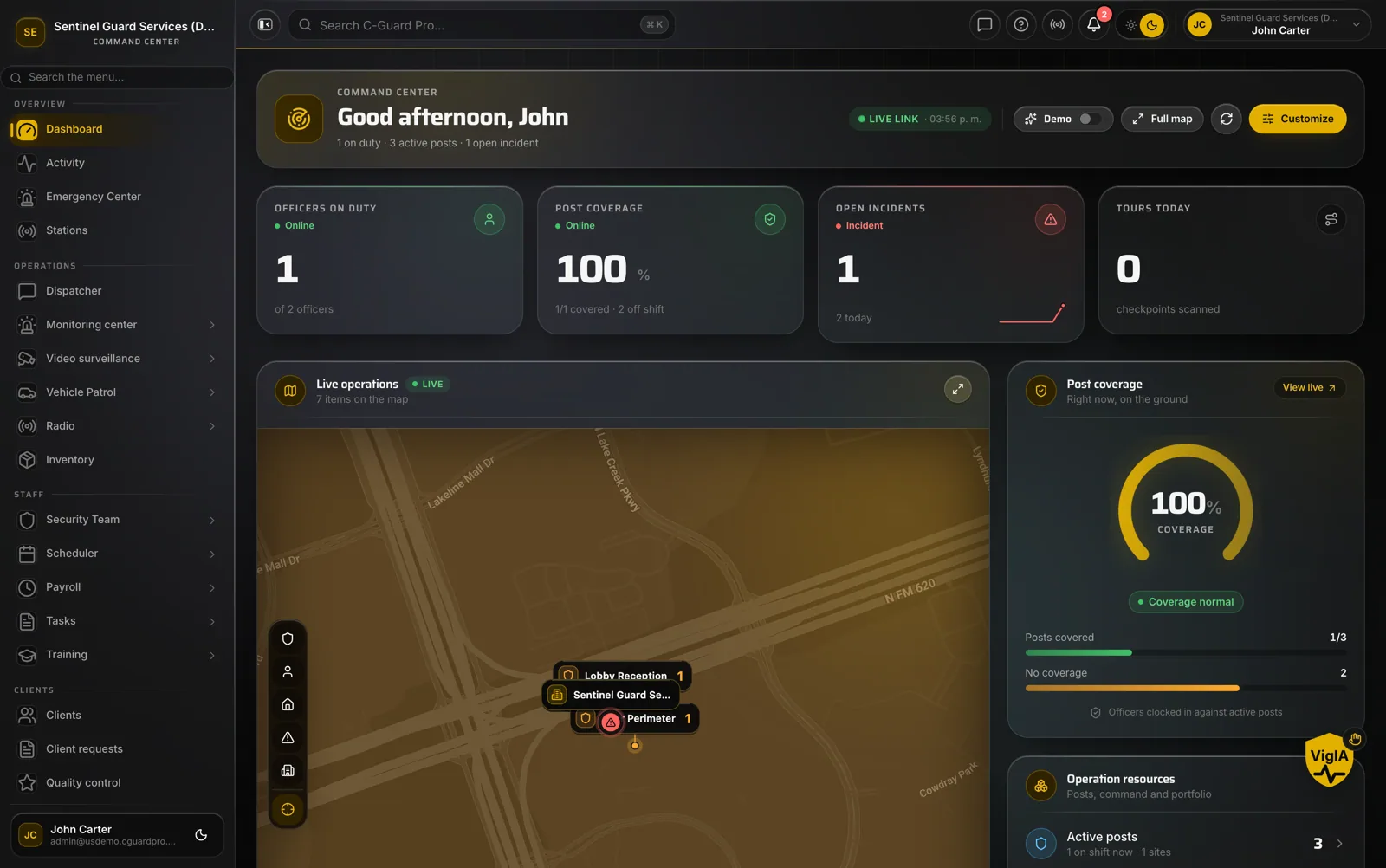
One of the more useful signals in evaluating a vendor has nothing to do with the number itself: whether the company is willing to show you what you’re actually paying for, on an ongoing basis, rather than handing you an invoice and asking you to trust it. A client portal that gives you visibility into scheduled coverage, confirmed shifts, and billing tied directly to hours actually worked is a sign of a vendor that’s comfortable being checked — and a vendor uncomfortable with that kind of visibility is worth asking why, regardless of how competitive their rate looked on the initial quote.
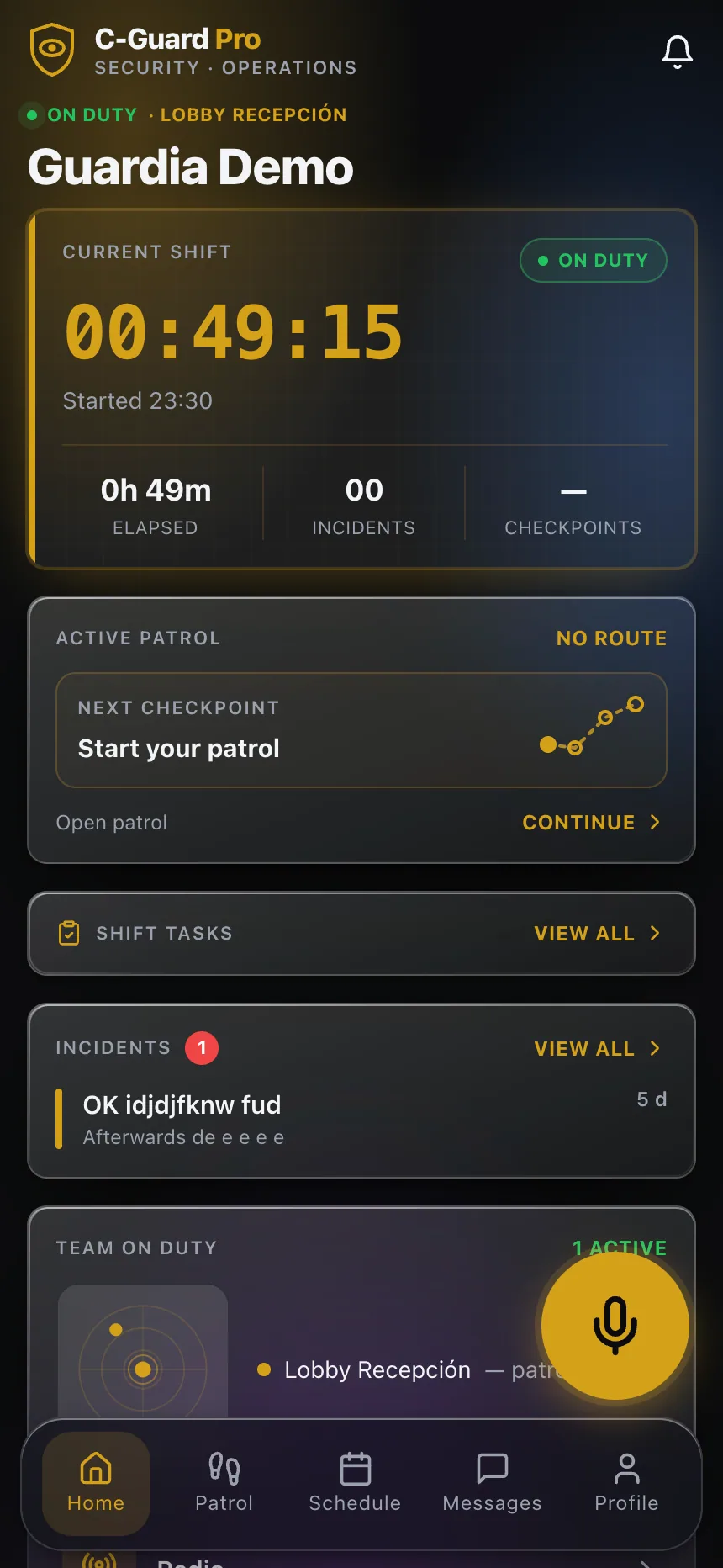
If you want to understand how billing and coverage transparency actually work day to day, see our page on payroll and billing, explore pricing, or get in touch.