A company that’s won municipal contracts for years puts together a bid for a school district the same way it always has — same proposal template, same references, same pricing structure that worked for the last city hall RFP. Six weeks later they’re told the board hasn’t even met to review submissions yet, and separately, half their proposed roster gets flagged because those officers haven’t cleared the additional screening the district requires for anyone with regular access to a campus. Nothing about the bid was wrong for a municipal contract. School district K-12 security contract bidding just runs on a different clock, and the bid wasn’t written for it.
School district K-12 security contract bidding looks like government procurement from the outside — public entity, formal RFP, board approval somewhere in the process — and companies that have bid city and county work assume the playbook transfers directly. Some of it does. The parts that don’t are the parts that actually decide whether the bid succeeds.
School District K-12 Security Contract Bidding Runs on the Board’s Calendar, Not the Buyer’s
A city procurement office can move an RFP through review and award on its own internal timeline, driven by staff. A school district’s contract, especially anything above a routine dollar threshold, typically has to clear a school board vote — and boards meet on a fixed public schedule, often monthly, sometimes with a summer gap when the board doesn’t convene at all. If a proposal misses the cutoff for getting onto a board’s agenda, it doesn’t just slip a few days; it can sit until the next scheduled meeting, and if that meeting falls during summer break, the delay stretches further still.
This matters most for the transition period after an award. Districts strongly prefer new security arrangements to start with the school year rather than mid-semester, which means the entire bidding, board-approval, and staffing-ramp-up window has to work backward from a fixed date that isn’t negotiable — the first day of school doesn’t move because a vendor needs more time.
Background Checks Go Beyond the Standard Guard License
Every state has its own baseline requirements for security officer licensing and screening, and those requirements are the floor, not the ceiling, for anyone who will be regularly present on a K-12 campus. Districts commonly layer additional background-check requirements on top of standard guard licensing for staff and contractors who have regular contact with students — the specifics of what’s required, which agency administers it, and how it’s verified vary by state and by district policy, so this has to be confirmed directly with the district and with counsel rather than assumed from a company’s existing licensing. This is not legal advice; it’s a flag to check before you commit a roster to a bid.
The operational consequence is that a company can’t just assign its existing bench of licensed officers to a school contract the way it would to a retail or office post. The vetting layer takes real lead time, and a company that waits until after award to start it is the company explaining to a new client why the promised start date is slipping.
Bid Cycles Cluster Around the Academic Calendar
Municipal and commercial RFPs get issued more or less year-round, whenever a client’s contract comes up for renewal or a new need arises. School district work clusters heavily around the academic calendar: districts want new arrangements in place before the fall semester starts, which pushes a disproportionate share of bid activity into spring and early summer. A company that treats district bidding as just another opportunity that shows up whenever isn’t watching the calendar closely enough to catch the window before it closes, and a district that issues its RFP in April with a fall start date isn’t going to extend the timeline for a vendor that discovers the opportunity in June.
This clustering also means district bids compete for the same internal resources — proposal writers, references, pricing review — all at once, right when a company might also be juggling other seasonal contract renewals. Planning the bidding calendar around the academic year, rather than reacting to RFPs as they land in an inbox, is what separates companies that consistently win district work from ones that occasionally stumble into it.
What the Proposal Actually Needs to Show
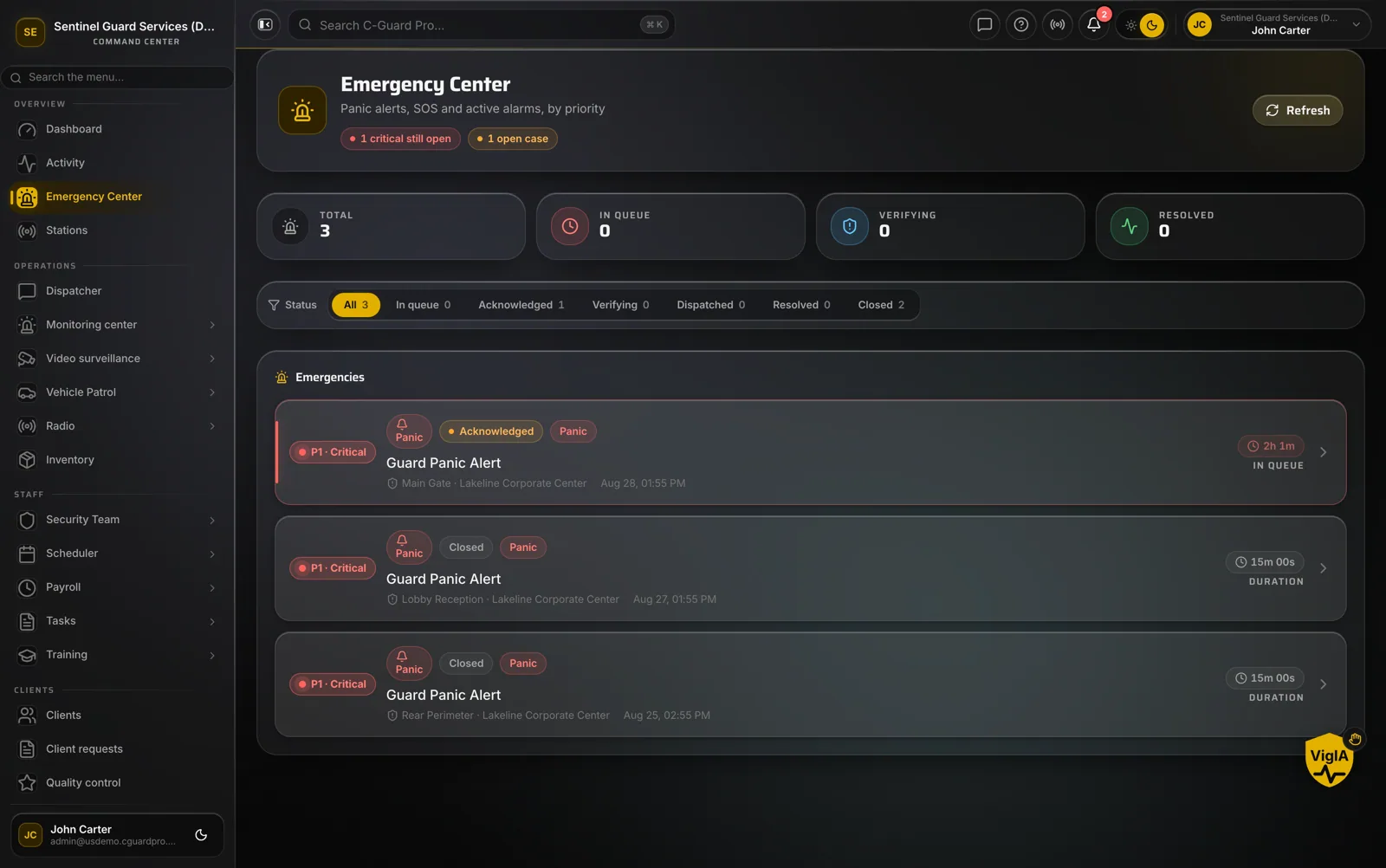
Beyond price and staffing plan, a district evaluation committee is looking for specifics that a generic security proposal often glosses over: how visitors get checked in and tracked at a campus with multiple entry points, how an incident involving a student gets documented and who gets notified, and how the company communicates with the front office during a lockdown drill or an actual event. These aren’t abstract asks — they’re the daily operational questions a district administrator has already lived through with a previous vendor who couldn’t answer them well.
A visitor management process that a district can actually picture in use at drop-off and dismissal carries more weight in a proposal than a paragraph of boilerplate about “commitment to safety.” Similarly, being able to describe exactly how an incident report reaches a principal’s desk — with photos, timestamps, and a clear resolution — answers a question every district evaluator is quietly asking: what happens the day something actually goes wrong.
References Need to Be District References, Not Just Commercial Ones
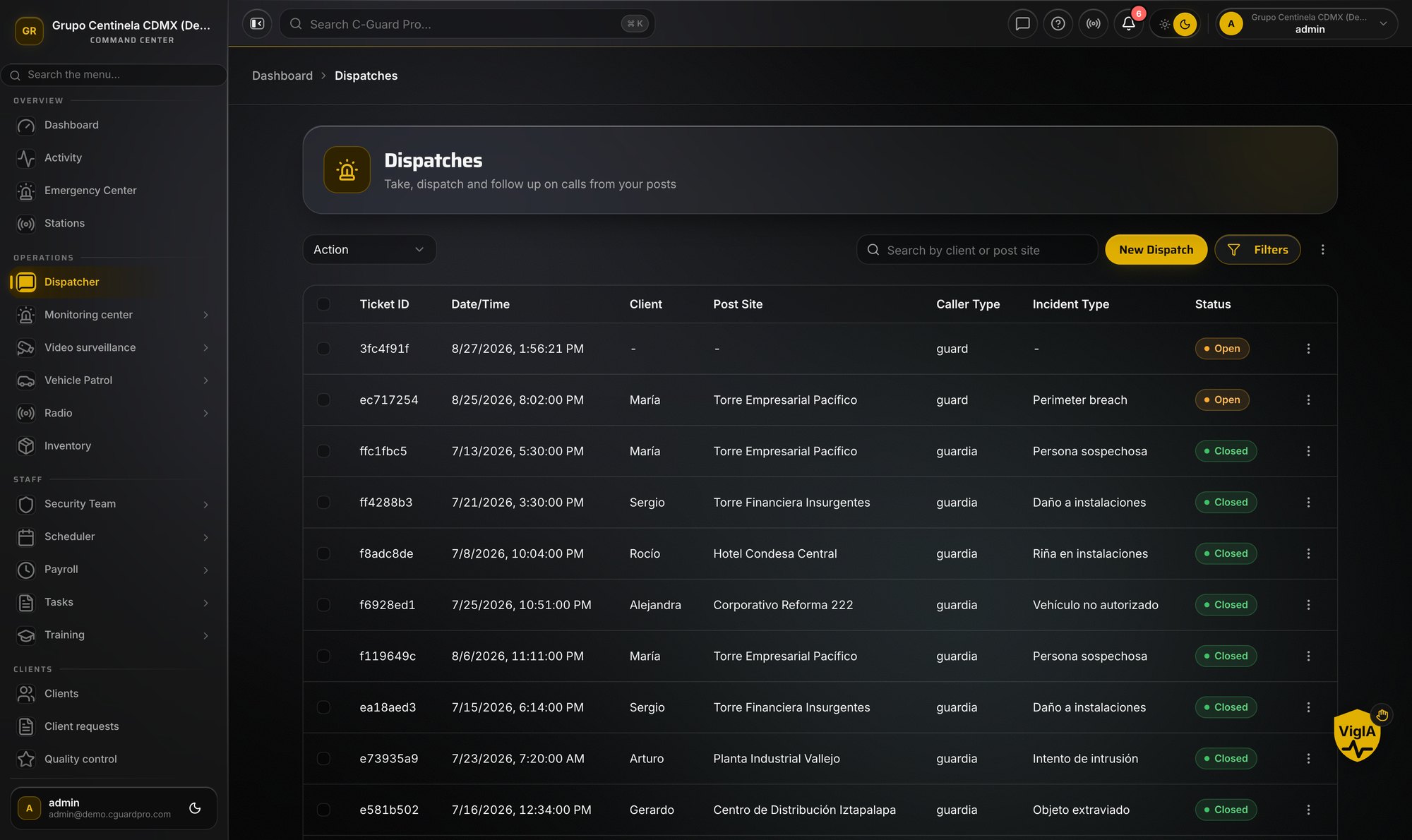
A reference list built entirely from retail and office-building accounts doesn’t answer the question a district evaluator is actually asking, which is whether this vendor understands the specific rhythm of a K-12 campus — drop-off and dismissal crowding, visitor control around a building full of minors, and a community that notices and talks about anything security-related far more than a typical commercial tenant would. A company with strong municipal references but no campus experience should expect that gap to come up in scoring, and the honest response is naming it directly rather than papering over it with references that don’t actually speak to the question.
Where a company genuinely lacks direct K-12 experience, the more credible move is proposing a deliberate transition plan — additional supervision during the first semester, a named point of contact for the district beyond the standard account manager, and a commitment to walk the specific screening and reporting requirements through with the district before the contract starts. Evaluators tend to respond better to a vendor that acknowledges the learning curve and shows a plan for it than one that claims equivalent experience it doesn’t actually have.
Treat It as Its Own Category
The honest takeaway is that school district K-12 security contract bidding deserves its own internal checklist, separate from the one a company uses for municipal or commercial RFPs. Build the proposal calendar around board meeting dates and the academic year rather than a generic response-time target. Start the additional screening process for any officer who might work a campus post well before the award is even decided, not after. And write the proposal around the specific operational scenarios a district cares about — visitor control, incident escalation, drill coordination — rather than a template built for a different kind of client.
None of this replaces direct verification with the district’s procurement office and legal counsel on the specific screening and licensing requirements that apply; those details vary and change, and this post isn’t a substitute for confirming them yourself.
If you want to see how this works in your own operation, explore CGuardPro for K-12 campuses or get in touch.