Every owner who has been to a government-contracting seminar has heard the same pitch: get on the GSA Schedule and federal buyers will find you. Some owners hear that and go apply for a GSA Schedule MAS contract for security guard services before they’ve ever staffed a single federal post, on the theory that the listing itself opens the door. It doesn’t, and treating it as step one instead of step three or four is one of the more expensive strategic mistakes a growing company can make.
What a GSA Schedule MAS contract for security guard services actually is
A GSA Multiple Award Schedule listing is a pre-negotiated contract vehicle that lets federal agencies buy from you without running a full competitive solicitation each time. It is not a marketing platform, not a lead source, and not a guarantee that a single federal buyer will ever see your listing among the many others already on the same schedule. What it does is remove one procurement hurdle — for buyers who already know they want to work with you. It does nothing to create that intent in the first place.
That distinction matters because most owners who pursue a Schedule too early are solving the wrong problem. Their problem isn’t “we lack a contract vehicle.” Their problem is “no federal buyer has ever heard of us, and we have no track record they can point to when a contracting officer asks why they picked an unfamiliar vendor.” A Schedule listing doesn’t fix that. A track record does.
The track record has to come first
Government buyers, even at the state and local level below the federal threshold, are risk-averse in a specific and rational way: a contracting officer who picks a vendor with no government references and that vendor underperforms has to explain that choice upward. A contracting officer who picks a vendor with a clean record on a comparable government or institutional site has an easy answer if anyone asks. This is why a company’s first real government-adjacent contracts — a school district, a housing authority, a municipal building, a state office — matter more to the eventual GSA conversation than the Schedule application itself. They’re what makes a contracting officer willing to be the first federal buyer to select you off a Schedule with your name on it.
Building that track record honestly takes operating discipline that has nothing to do with paperwork: consistent post coverage, clean incident documentation, responsive account management when something goes wrong, and a client — even a non-federal one — willing to serve as a reference when asked. A company that can’t yet produce two or three institutional references it’s confident standing behind isn’t ready for the Schedule conversation, regardless of how the paperwork itself goes.
What the Schedule adds once you’re actually ready
Once a company has that track record, a GSA Schedule listing for security guard services does something real: it shortens the sales cycle with federal buyers who already have you on a shortlist, because it removes the separate procurement step they’d otherwise have to run. It’s leverage on top of credibility, not a substitute for it. This is also the order in which experienced government-contracting consultants generally advise companies to move — references, then vehicle — rather than the reverse, because the vehicle without references just sits there unused while the maintenance obligations that come with holding a Schedule keep accruing regardless.
Requirements for pursuing, qualifying for, and maintaining a Schedule contract vary and change, and this isn’t the place to lay out specific eligibility criteria, fee structures, or timelines — those should be confirmed directly with the General Services Administration and, ideally, with a contracts attorney or consultant who works in this space regularly, since the process involves real legal commitments. Nothing here should be read as legal or procurement advice.
The staffing question the Schedule doesn’t answer
There’s a second, quieter reason to wait: a Schedule listing can generate interest a company isn’t actually staffed to fulfill. Government contracts, whether federal, state, or municipal, tend to come with specific staffing, screening, and reporting expectations built into the solicitation, and a company that wins its first federal opportunity before it has systems to support those expectations at scale can damage the reputation it spent years building to get there. A missed post on a private commercial account is a bad night. A missed post on a federal account is the kind of thing that follows a company into every future federal bid.
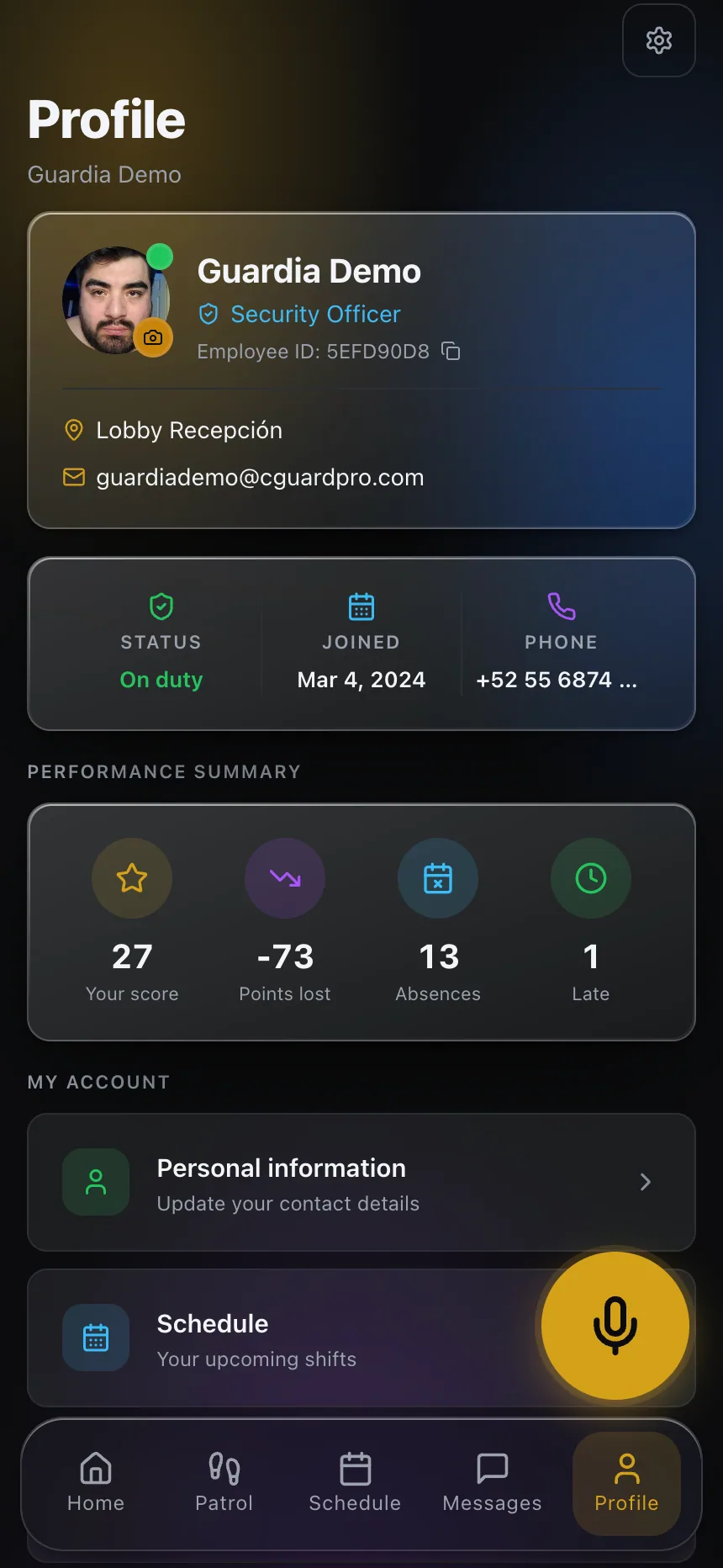
This is where operational readiness and business-development readiness have to move together rather than one running ahead of the other. A company preparing for its first institutional or government-adjacent contracts needs the reporting rigor to match: documented daily activity reports, a clean incident reporting trail, and scheduling records that can survive an audit if a client or agency ever asks to see them. Those aren’t paperwork exercises for their own sake — they’re exactly what turns into the references that eventually make a Schedule application worth the effort.
The paperwork isn’t the hard part
Owners who’ve been through the process describe the application itself as tedious but manageable — pricing narratives, past-performance documentation, a technical proposal — the kind of thing a consultant or an internal proposal team can grind through over a few focused weeks. What trips companies up isn’t the difficulty of the forms. It’s discovering partway through that they don’t yet have the past-performance narrative the application wants, because the contracts they’d point to are too new, too small, or don’t map cleanly onto the categories GSA evaluates. That discovery is far more expensive after money and staff time have already gone into the application than before it starts. Talking to a consultant or a contracts attorney early — before committing resources — is usually what separates a company that gets this application right the first time from one that has to restart it.
How to actually tell if you’re ready
A rough gut check that holds up better than any timeline: if you can name two or three institutional clients today who would take a reference call and speak specifically to your reliability, your incident handling, and your account management — not generically say nice things, but describe a time something went wrong and how you handled it — you’re in range to start the Schedule conversation. If you can’t name those clients yet, the better use of the next stretch of time is winning and running those contracts well, not filling out MAS paperwork for a vehicle that will sit idle without them.
If your company is building toward government and institutional accounts and wants its scheduling, reporting, and dispatch operations audit-ready before that conversation starts, see how to evaluate guard management software or get in touch to talk through where your operation stands today.