If you run a store, a chain, or a shopping center, you already know the two-sided problem with security: shrink is real and it hurts margins, but a guard who just stands by the door is easy to write off as a cost with no return. The way out is to hire retail security guards for loss prevention who create a visible deterrent and produce the documentation to prove that deterrence is working. This guide is about buying that outcome, not just buying hours.
Deterrence is the product you are actually buying
Most loss prevention value is invisible by design. The theft that does not happen because a professional presence is watching never shows up in a report. That is exactly why so many retailers underrate their guards, and why you need to think about deterrence deliberately when you hire.
Deterrence comes from a few concrete things:
- A visible, professional presence at the entrances and high-value aisles.
- Guards who move, engage, and are clearly paying attention, not parked on a stool.
- Consistent coverage during the hours theft actually spikes for your store.
- A reputation, over time, that your location is watched and incidents get documented.
When you evaluate a provider, ask how they position and rotate guards to maximize presence where it matters, and how they keep guards alert across a long shift. A body at the door is not a deterrent; an engaged professional is.
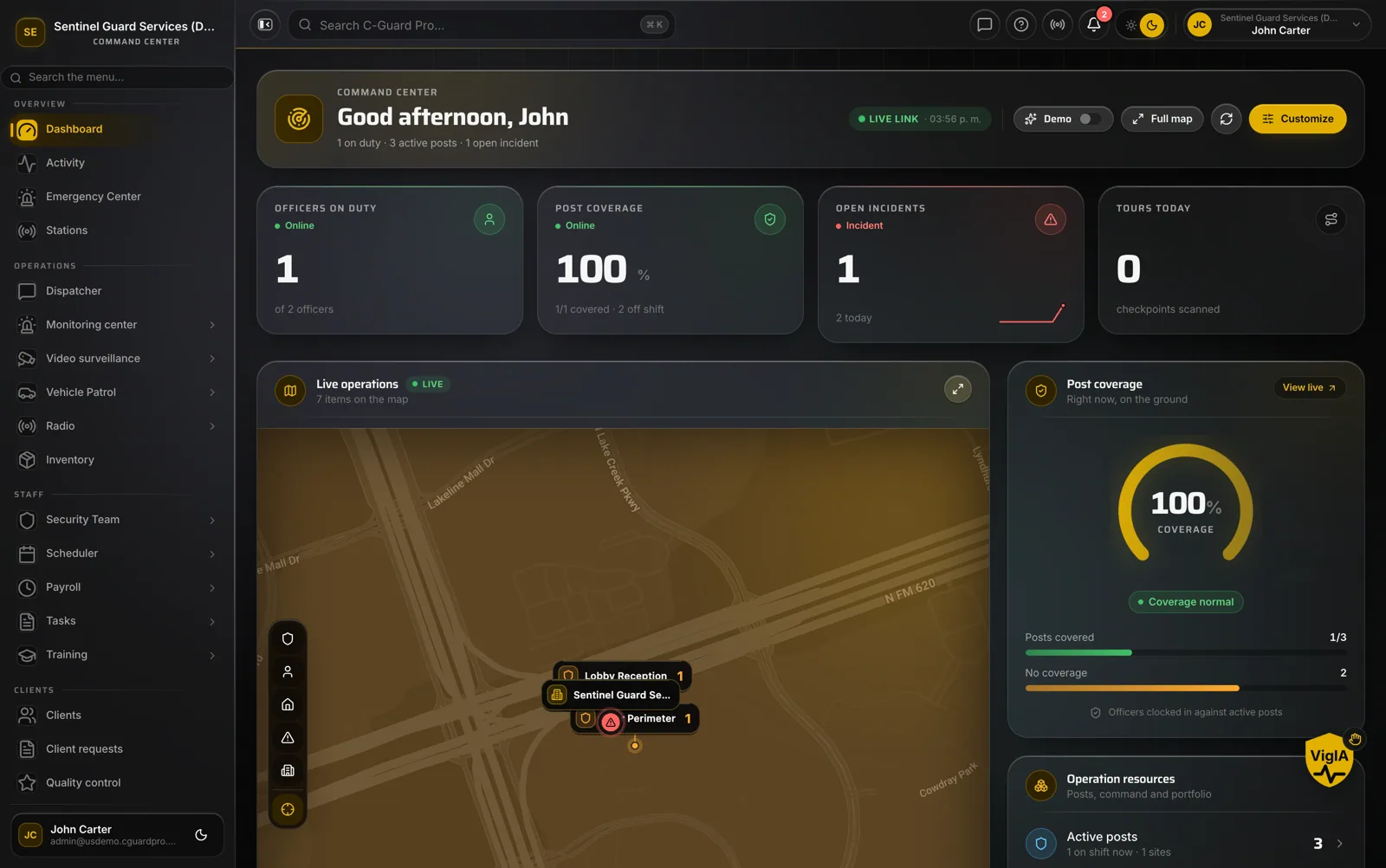 A retail buyer should be able to see coverage and incident activity across locations in one place, not chase down store managers.
Document every incident, because the record is the value
Here is the mindset shift that separates a good retail security program from a warm body: the incident report is not paperwork, it is the product. Every stop, every recovery, every suspicious-person contact, every refused entry is evidence that your guards are doing the work you pay for.
When you hire retail security guards for loss prevention, require digital incident reports with time, location, description, and photos where appropriate. Paper reports that live in a binder at one store are nearly worthless for a chain. A digital record you can search and roll up across locations turns scattered events into a picture you can act on.
That documentation does several jobs at once:
- It supports any recovery, trespass, or law-enforcement follow-up.
- It protects you and the guard if an interaction is later disputed.
- It shows you where and when losses concentrate, so you can adjust.
Connect incidents to your shrink picture
Shrink is a number your finance team already tracks. The power of good documentation is that it lets you connect events to that number instead of treating security as a black box. If theft incidents cluster at a specific entrance, aisle, or shift, you can move coverage there and watch what happens.
You will not get a tidy formula, and you should be suspicious of any vendor who promises exact savings figures. But a steady stream of documented incidents, mapped against your own shrink data over time, is how you build a real case for whether the program is working, and where to spend more or less. That is a far stronger footing than “we feel safer.”
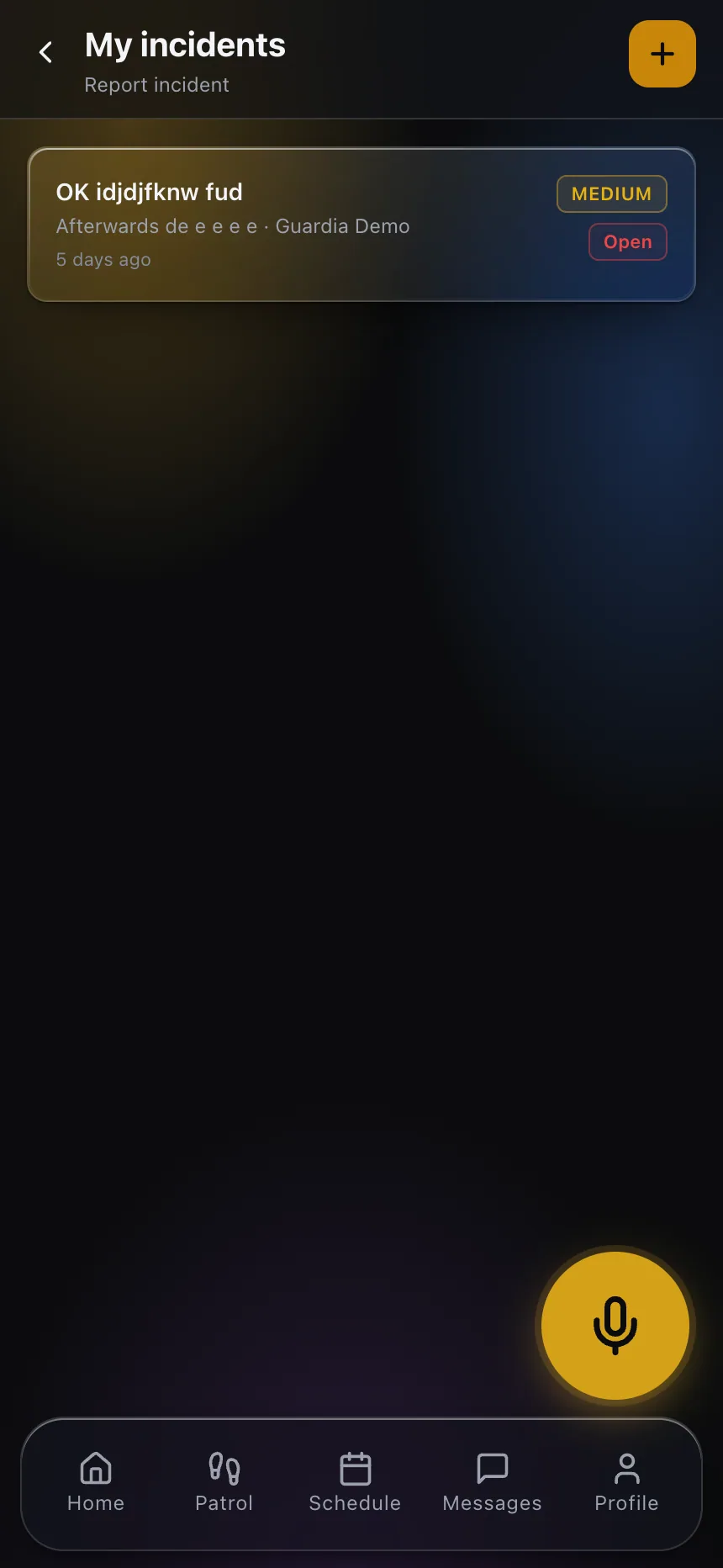 From the sales floor, a guard logs the stop or the suspicious contact with details and photos, so the event is captured while it is fresh.
A platform like CGuardPro’s daily activity reports is built so those incidents flow off the floor and into a record you can review, rather than dying in a notebook that no one reads.
Give yourself and your managers visibility
The retail manager’s classic pain is not knowing what happened until much later, if at all. A client portal for retail security lets you and your store managers see live status, patrol activity, and incident reports as they come in. For a multi-store operation, that is the difference between managing security and hoping it is happening.
Visibility also keeps your provider honest. When you can see the work, “the guard was on duty” stops being a claim and becomes something you can check. If you want the fuller picture of how a program fits a store environment, the retail security guard software page walks through it.
What to require from your provider
Put the outcomes you want into the agreement:
- Guard positioning and rotation designed for presence, not just coverage.
- Digital incident reports with time, location, and photos.
- Reporting you can roll up and search across locations.
- A portal where you and your managers see status and incidents live.
- Clear protocols for stops, recoveries, and escalation to law enforcement.
Technology helps, but it is not a robot cop
Be honest with yourself about what the tools do. Software makes guards more visible, faster to document, and easier to hold accountable. It does not replace judgment, training, or the physical presence that actually deters theft. Cameras and apps support the human, they do not become one, and any vendor selling a “guard robot” fantasy is selling you disappointment.
A note on rules: laws on detention, use of force, camera use, and privacy vary by state and locality, and this article is not legal advice. Confirm specifics with the relevant authority and your own counsel before setting any policy.
The takeaway
Buy deterrence, then insist on the documentation that proves it. Require digital incidents, roll them up across your stores, and connect them to the shrink numbers you already track. Above all, give yourself a way to see the operation. To see what that looks like for a retail buyer, explore the CGuardPro client portal.