The renewal email arrives, the rate ticks up a little, and most clients sign it because the alternative, going to market, feels like more work than it’s worth. That’s exactly the position your provider is counting on. But renewal is the one moment each year when the leverage shifts back to you, and if you know how to negotiate a security contract renewal with real data behind you, you can raise the service you get without simply overpaying for the same thing.
The key is to walk into the conversation with evidence, not a wish list. Anyone can ask for a lower price. A prepared buyer asks for better performance at a fair price and can prove why they deserve it.
Build your case before you talk numbers
Negotiation without data is just two opinions. So spend a couple of weeks before renewal pulling the record of how the service actually performed over the term. This is where you either have the ammunition or you don’t, and it’s a preview of how the year to come will go.
Gather the performance picture:
- Coverage: shifts filled vs. scheduled across the year, and how often a fill-in replaced your assigned guard.
- Patrols: tours completed vs. required, and any posts repeatedly skipped.
- Incidents: how many, how fast you were notified, and how many closed.
- Response: time from alert to acknowledgement on any triggers.
If your provider gives you a client portal, most of this is already at your fingertips and you can walk in citing specifics rather than impressions. If you can’t get this data at all, that gap is itself a negotiating point, because you’re paying for a service you can’t verify.
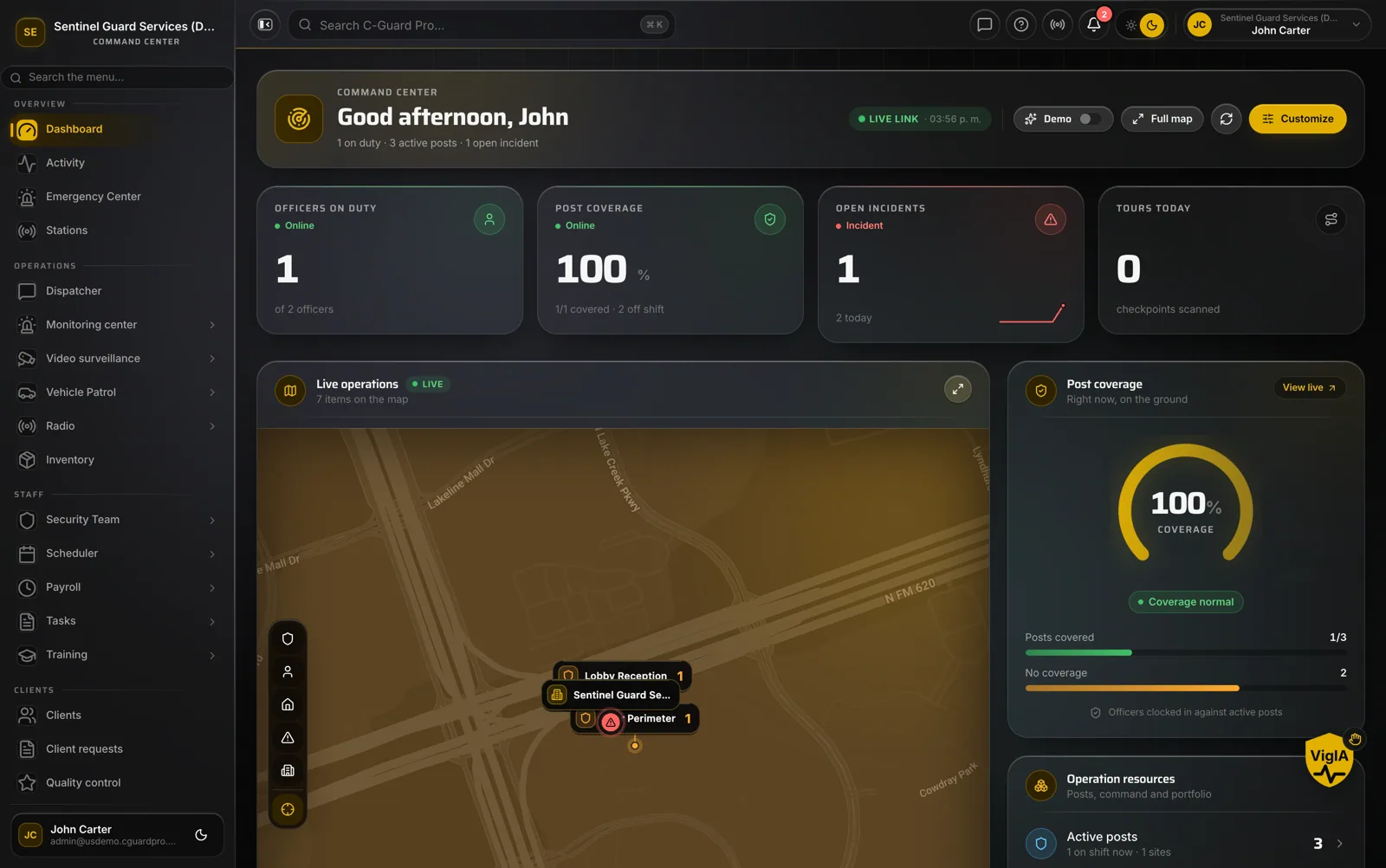 Bring the year’s performance record to the table, not a feeling about how things went.
Separate three levers: price, service, technology
Clients who only negotiate price tend to get exactly what they pay less for, thinner coverage, greener guards. Smarter renewals move three levers at once.
Price
Understand roughly what the market pays in your area for the type of coverage you use, but be realistic. Guard pay drives quality; squeeze the rate hard enough and you’ll get whoever will work for it. The goal isn’t the cheapest bid, it’s a rate that’s fair and lets the provider staff your account with people who stay. Use market awareness to check that you’re not being marked up unreasonably, not to gut the service.
Service level
Turn vague promises into specifics the contract can enforce. Response-time expectations. Minimum patrol frequency. A cap on how often a fill-in can replace your assigned guard. Report turnaround. These commitments cost you nothing extra and give you something concrete to hold the provider to at every monthly review.
Technology
This is the lever most clients forget, and it’s where the biggest quality gains hide. Make modern tools a renewal requirement: GPS-verified patrols, instant digital incident reports, and portal access so you can see the service live. These don’t just add features; they convert the provider’s promises into things you can verify, which changes the entire dynamic of the relationship in your favor.
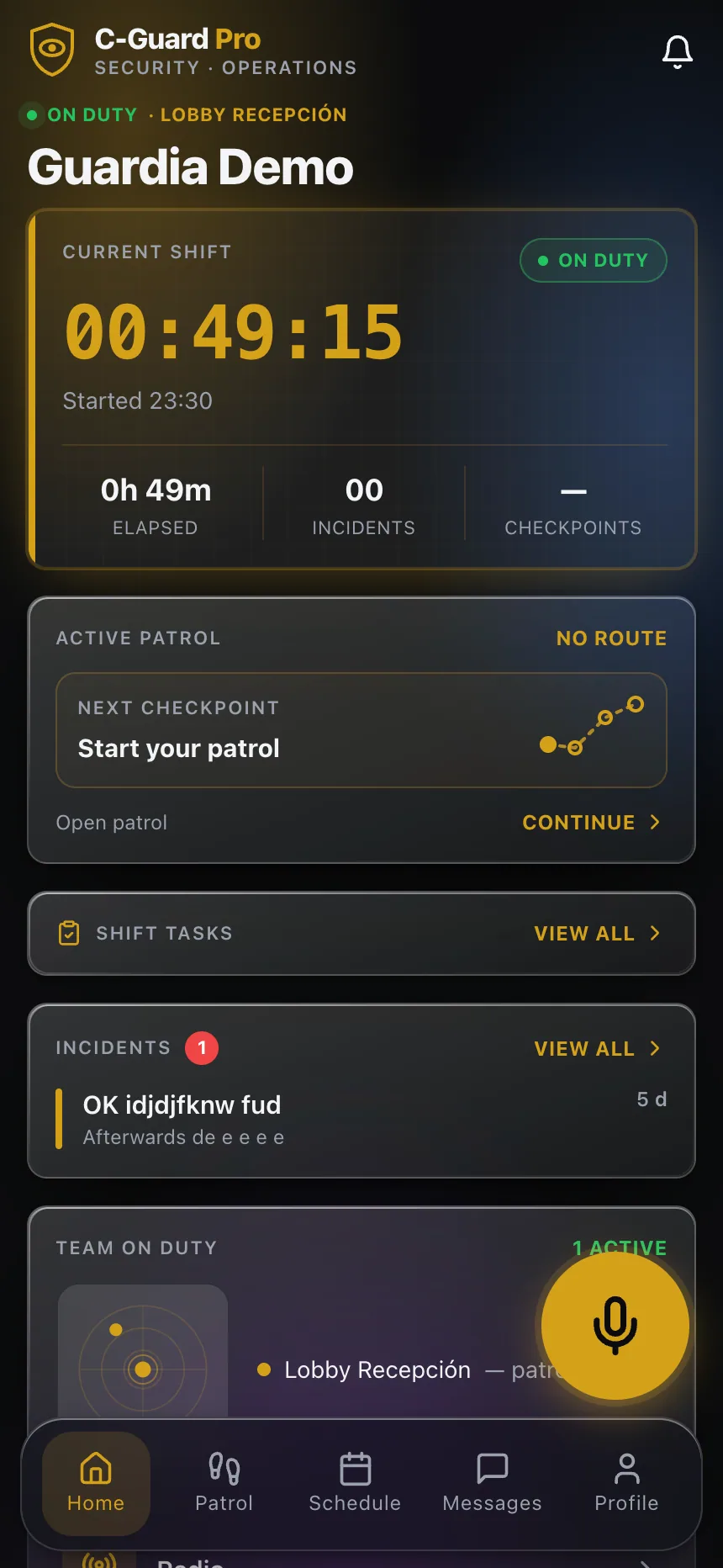 Make live visibility and verified patrols a renewal condition, not a nice-to-have.
Use your credible walk-away
Your strongest card is a genuine willingness to leave, and providers can tell the difference between a real one and a bluff. You don’t have to threaten. Simply having done the groundwork, knowing the market, having your performance data, understanding what a clean transition would look like, changes how you carry yourself in the conversation. A provider who senses you could switch, and would run it competently, negotiates differently than one who assumes you’ll sign whatever lands in your inbox.
Never negotiate a renewal you haven’t at least mentally pressure-tested against an alternative. It keeps you honest about whether you’re staying because the service is good or just because leaving feels hard.
Get the improvements in writing
Handshake commitments evaporate the week after signing. Whatever you negotiate, response times, patrol minimums, technology, portal access, put it in the renewed agreement in specific, measurable language. “Reasonable patrols” means nothing; “tours logged and verified on the schedule you agree” means something you can check.
A note on terms: contract structure, notice periods, and what a provider can and can’t commit to vary by jurisdiction and by how they’re licensed. Confirm the specifics with your own advisor before signing. This isn’t legal advice.
Renewal isn’t a formality to rubber-stamp. It’s an annual audit with leverage attached. Show up with the year’s data, move price, service, and technology together, and hold a credible alternative in reserve, and you’ll do more than avoid overpaying. You’ll turn a routine re-sign into a real upgrade in the security you’re buying.
Want a clear benchmark for the visibility to demand in your next renewal? Explore the client portal and make it part of the deal.