Two assumptions kill a bid before it’s even scored: the guard company that assumes every federal contract carries E-Verify requirements, and the one that assumes federal security guard contractors are exempt because they’ve never dealt with it before. Both show up in the same conversation, sometimes from the same owner a year apart, and both are wrong often enough to be dangerous. Both mistakes trace back to the same root problem: nobody has actually pinned down what E-Verify requirements federal security guard contractors face on this specific contract, as opposed to the last one.
What E-Verify actually is
E-Verify is a federal electronic employment eligibility verification system, administered by the Department of Homeland Security. Being enrolled means a company checks new hires’ work eligibility against federal records rather than relying solely on the paper I-9 process. That much is straightforward. What’s not straightforward — and what changes contract to contract — is whether a specific federal security contract legally requires your company to be enrolled at all, and if so, which of your employees the requirement actually covers.
E-Verify requirements federal security guard contractors actually face
Whether E-Verify participation is mandatory doesn’t depend on which federal agency you’re contracting with, or on the guard company’s own sense of “we’ve worked federal jobs before and never needed it.” It depends on whether the specific contract includes the federal contractor E-Verify clause, and that in turn depends on the type and value of the contract, exemptions that can apply, and rules that are genuinely capable of changing. Because those thresholds and exemptions are exactly the kind of detail that shifts and that a blog post can get wrong in a way that costs a bidder real money, the only responsible thing to do here is send you to the source rather than restate a number: check the current requirements directly at e-verify.gov, and read the actual clause language in your specific solicitation rather than assuming based on a prior contract.
This is also the point where a lot of owners get tripped up by a documented history that’s actually irrelevant — having run E-Verify successfully on one federal contract tells you nothing about whether your next one requires it, because the clause is attached contract by contract, not company by company.
Why guard companies get caught by this specifically
Federal buildings, courthouses, and military installations are common government contract work, and the staffing on those posts turns over the same way commercial accounts do — resignations, transfers, a new hire covering a vacant post on short notice. If your company assumed the wrong thing about E-Verify at the start of a contract, that assumption doesn’t surface as a problem on day one. It surfaces months in, during a contract compliance review, when a contracting officer asks for verification records on employees who were never run through the system because nobody flagged the clause when the contract was signed.
At that point the fix isn’t simple — it usually means going back and determining which employees should have been verified from their hire date forward, which is a much worse conversation to have during an active contract than during the bid review.
What a reasonable process looks like
Build the check into your bid review, not into onboarding after you’ve already won the work. When a federal solicitation comes in, someone — whoever owns compliance, even if that’s the owner personally at a smaller firm — reads the actual clauses in that specific solicitation for E-Verify language, rather than relying on what a similar past contract required. If the clause is present, confirm what it requires: enrollment as a company, verification of new hires assigned to that specific contract, or something broader, and build that into your onboarding checklist for anyone hired onto that post before their first shift, not after.
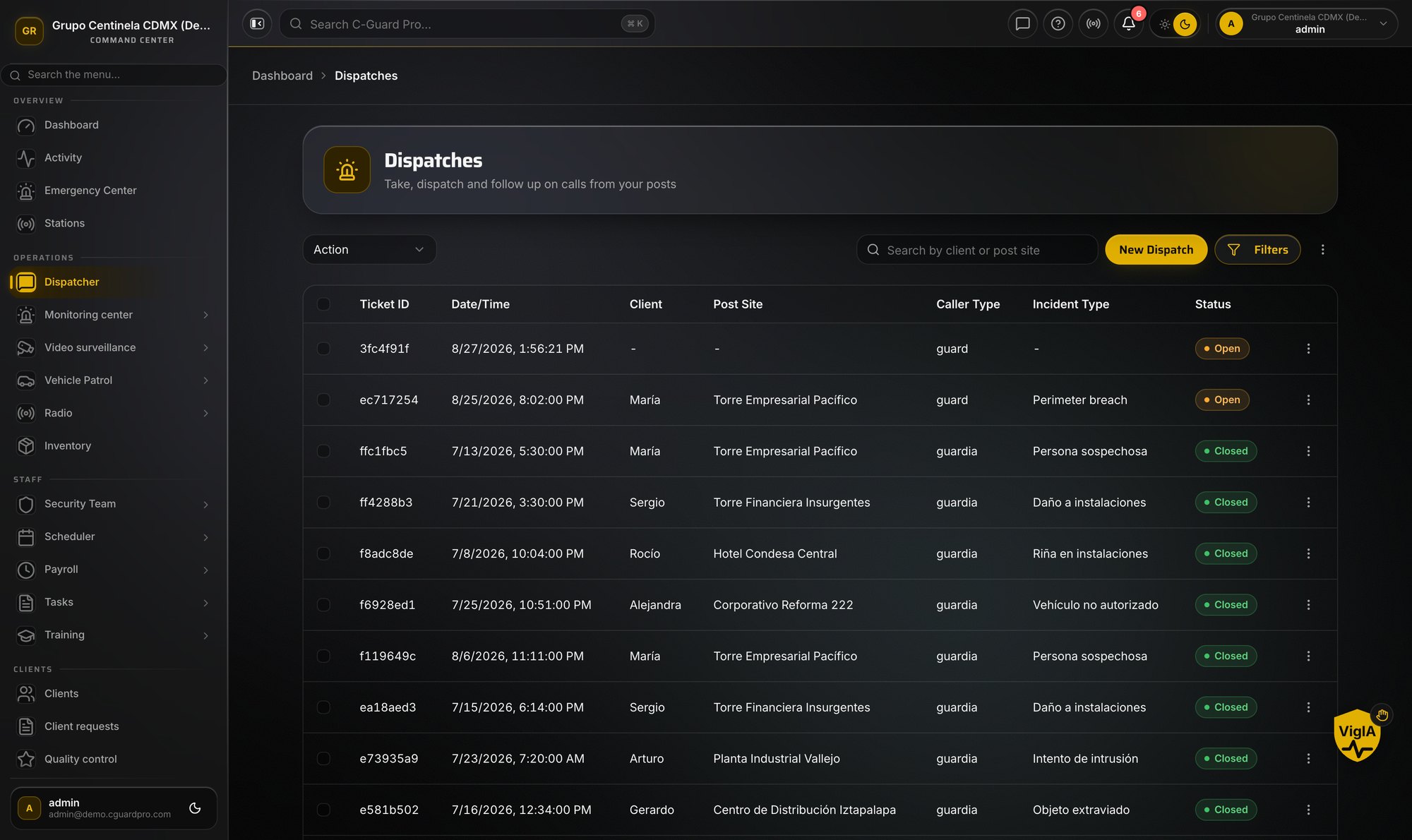
Keep records the same way you’d keep any other compliance documentation tied to a specific account — dated, attributable to the contract that required them, and easy to produce if a contracting officer asks. A client portal or account-level document system that ties compliance records to the specific contract they belong to makes that lookup fast instead of a scramble through email when the request comes in. The same evaluation process you use to compare software vendors is worth applying to your own internal compliance checklist before you bid the next federal job.
Which employees the requirement actually covers is its own question
Even once a company confirms the clause applies, owners often assume it means every employee at the company needs to be run through the system, when what a given contract requires is frequently narrower — new hires assigned to that specific contract, going forward from a specific date, rather than the entire existing workforce retroactively. Getting that scope wrong in either direction causes real problems: over-applying it wastes time and creates records for people the contract never required, while under-applying it leaves a gap that only shows up during a compliance review.
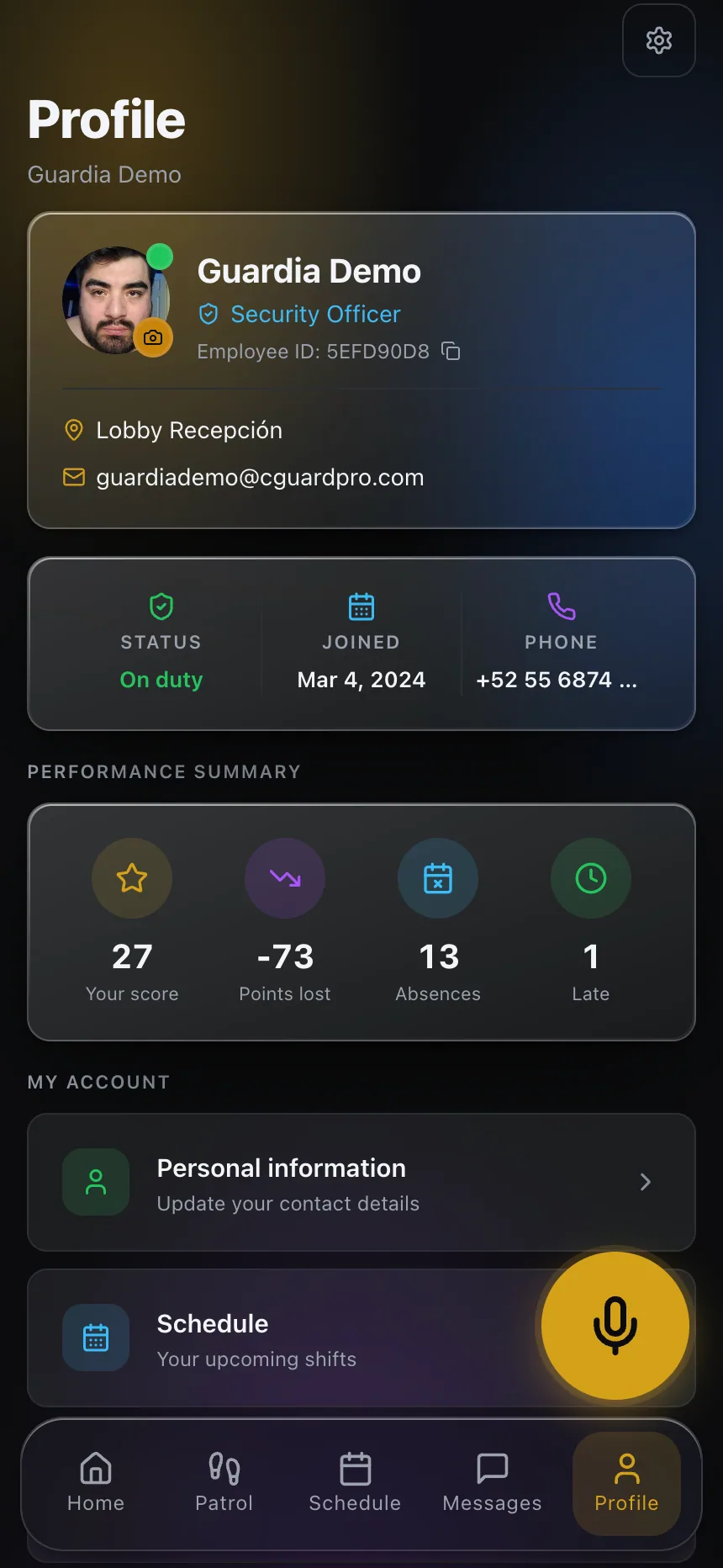
This is precisely why the scope question belongs in your bid review process rather than in a policy applied uniformly across the whole company. A guard hired specifically to staff a federal post needs their eligibility documentation and their assignment to that contract tracked together, from their first shift onward, in a record that’s easy to produce on request. An officer’s profile that shows their hire date, their contract assignment, and the documentation tied to it gives a contracting officer exactly what they’re asking for without a scramble through separate files.
Get this from the source, not from an assumption
None of this is a substitute for reading the clause in front of you or asking someone qualified. E-Verify requirements, exemptions, and thresholds are set at the federal level and are subject to change; this article is not legal advice, and any specific bid or contract question should be verified directly at e-verify.gov and with counsel experienced in federal contracting before you sign anything or submit a proposal that assumes an answer either way.
Getting this wrong doesn’t just cost you the current contract — a compliance finding on a federal job can affect your standing on the next bid, and can surface during past-performance reviews on solicitations you haven’t even submitted yet. Read the clause every time, treat “we didn’t need it last time” as irrelevant information, and confirm with the agency and with counsel before you commit either way. A ten-minute clause review at the bid stage is a far cheaper habit than a records reconstruction months into a contract you’ve already staffed and started billing.
If you want to see how contract-specific compliance records and staffing assignments stay organized across multiple client accounts, explore CGuardPro or get in touch.