A proposal team spends three weeks on a hospital RFP response — staffing plan, post orders draft, references, a walkthrough of the client portal — and the contract goes to a competitor with a plainer proposal and a higher hourly rate. The reason usually never makes it back to the sales team: the facility’s procurement policy has a safety prequalification step, and the experience modification rate on the submitted certificate of insurance didn’t clear it. An experience modification rate emr security company bid rejection like this one happens before price is ever compared, because the bid never got that far.
That is the part of experience modification rate — EMR — that gets missed in a lot of guard companies. It sits with the safety manager and the insurance broker, treated as a workers’ comp cost issue. On facility, healthcare, and government contracts, it is also a sales gate, and it can eliminate a bid before anyone on the buying side reads the qualifications section. Search experience modification rate emr security company bid and most of what comes back is written for the insurance side of the business — how the multiplier is calculated, how a broker files an appeal — and almost nothing about what a losing sales team is supposed to do with that information before the next RFP goes out.
What the number is actually doing in the RFP
EMR is a multiplier insurance carriers apply to a company’s workers’ compensation premium, built from that company’s claims history relative to other companies doing similar work. A rating built around a neutral midpoint means a company with a heavier or more frequent claims history pays a higher premium than a company with a cleaner record, for the same class of work. That is the insurance mechanism.
The procurement mechanism is separate and, for a bidding guard company, matters more day to day. Many facility owners, general contractors, hospital systems, and government buyers now build a safety prequalification screen into the RFP itself, and EMR is one of the numbers on that screen. Some run it as pass/fail: submit a rating outside the threshold they’ve set, and the proposal doesn’t get scored at all. Others weight it inside the overall evaluation, alongside references and safety program documentation. Either way, it is being checked before — or completely apart from — the pricing sheet.
That ordering is the trap. A company can build a genuinely strong staffing plan, quote a defensible bill rate, and still lose the bid on a document nobody on the account management side wrote, reviewed, or was consulted on.
Why security bids get hit by this more than most trades
Guard work has a labor-intensive claims profile that looks different from, say, a landscaping or janitorial contract bidding into the same facility pool. Officers respond to physical altercations, work overnight shifts with fatigue and slip-and-fall exposure, and patrol parking structures and stairwells where injuries happen in ways that are hard to engineer out entirely. Turnover compounds it — a workforce that churns constantly also churns through onboarding and early-tenure incidents, which is exactly the period where claims cluster.
None of that means EMR is destiny. It means a guard company that treats claims management as a back-office function, rather than as an input to its ability to win contracts, is quietly capping its own growth on the exact segment of business — facilities, healthcare, government — that pays the most reliably and renews the longest.
What actually moves the rating
There’s no dollar figure or percentage worth quoting here — those relationships are set by insurance carriers and vary by state, class code, and claims history, and any specific number would be invented. What does move the underlying rate is mechanism, not magic: fewer claims, and claims that get closed faster and cheaper because they were documented well from the first minute.
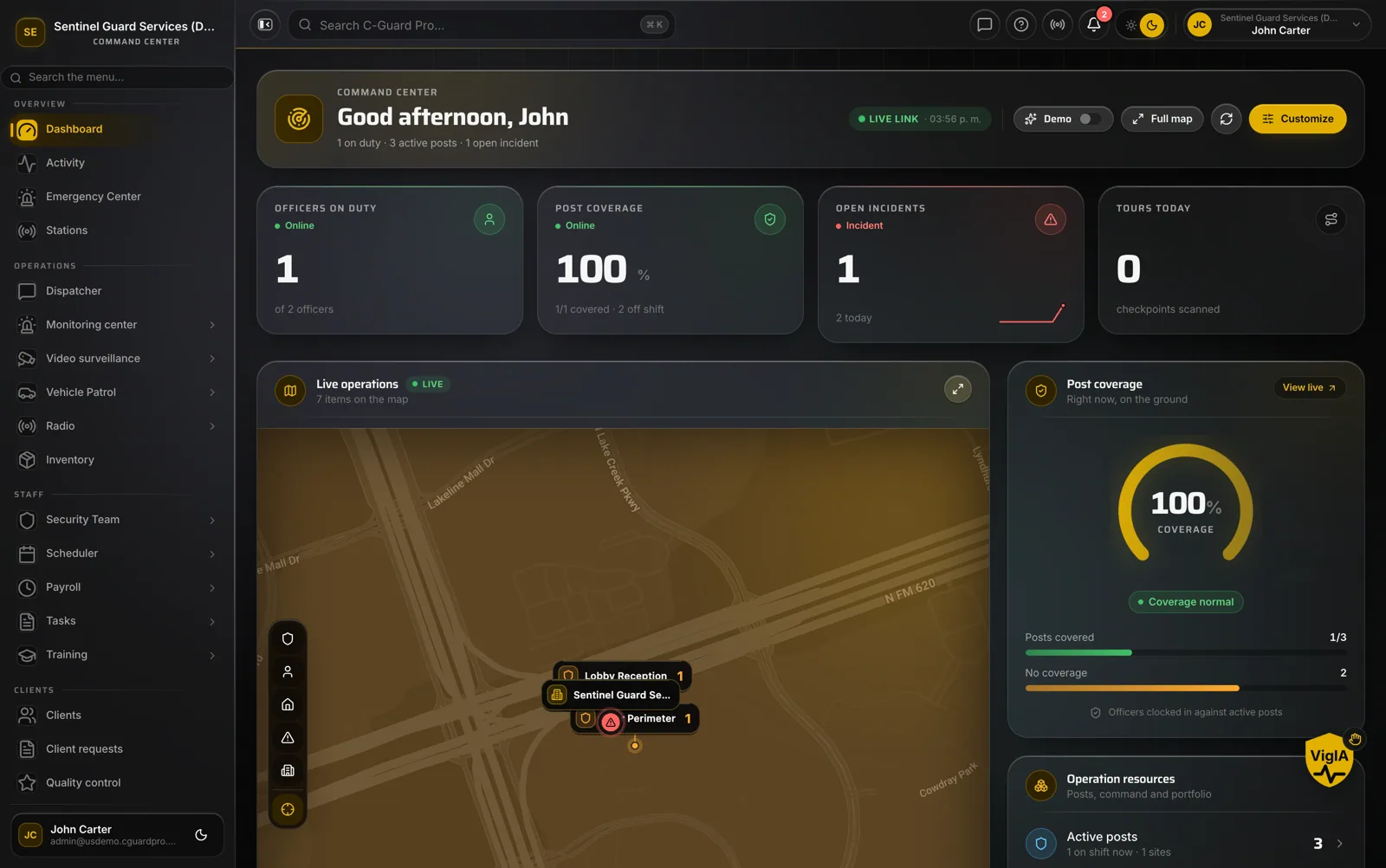
That points straight at supervision practice. An incident that gets a same-shift written report, with photos, a timestamp, and a supervisor sign-off, resolves differently in the claims process than one that surfaces three days later from a verbal account and a client complaint. Early, complete documentation gives an adjuster something to work with immediately instead of reconstructing events after memories have already drifted. Consistent incident reporting across every post, not just the ones a client happens to escalate, is one of the few levers an operations team controls directly that eventually shows up in the loss run.
The other lever is pattern recognition. A company that can pull its own claims history apart by post type, shift, and even by supervisor can see where the exposure actually concentrates — a specific parking structure, a specific overnight rotation — long before the next policy renewal forces the conversation. That requires records that are actually searchable, which a stack of paper daily logs rarely is.
Making claims management a sales input, not just a safety one
The fix isn’t a slogan about safety culture. It’s structural: sales and operations need to see the same claims data, and see it early enough to act on it before a renewal locks in the next year’s number.
A few things make that possible in practice:
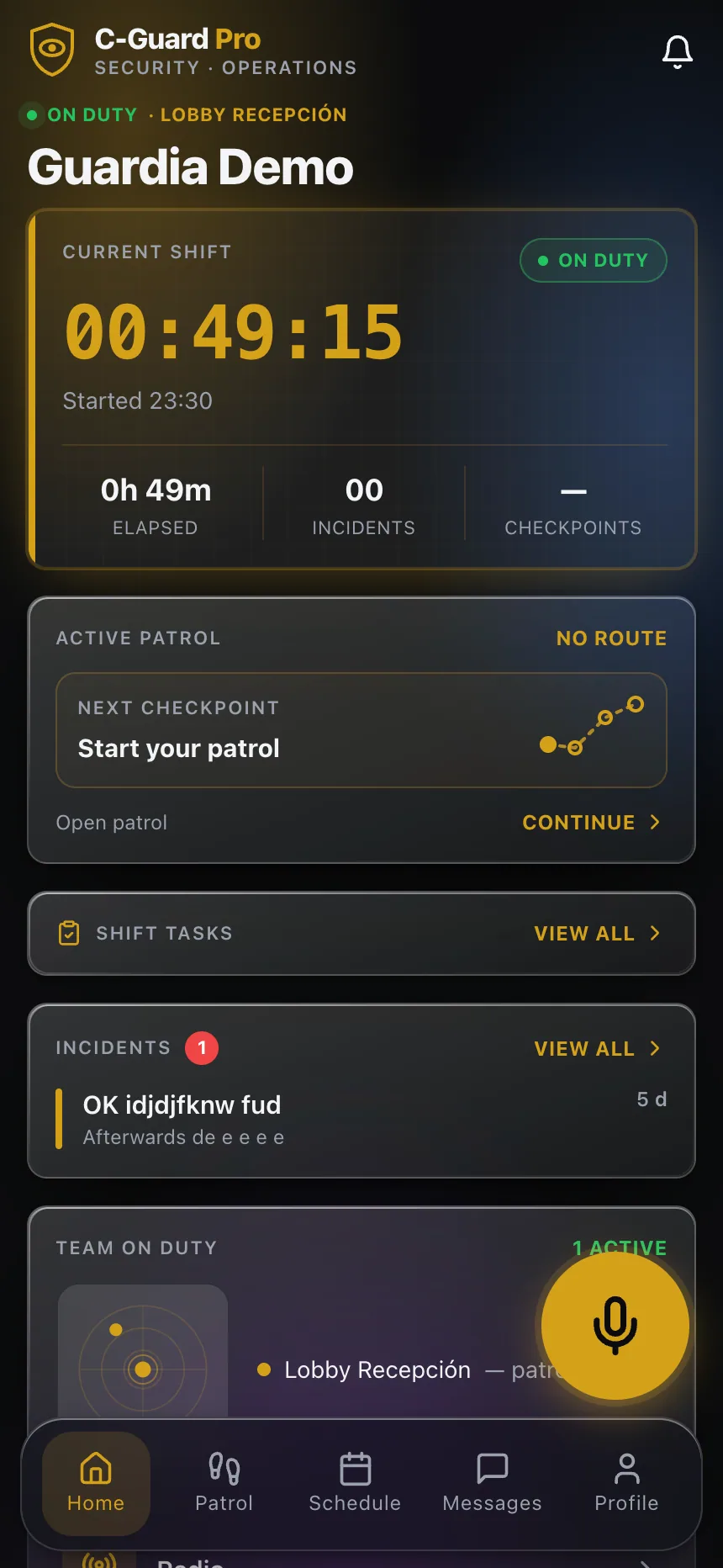
- Route every incident through one system, so claims don’t live partly in a client’s email thread, partly in a supervisor’s notebook, and partly in the insurance broker’s file. A single, timestamped incident record with photos is the version everyone — ops, safety, and the broker — should be working from.
- Loop the account manager in on the rating before the RFP does it for them. If a proposal team already knows where the company’s EMR stands relative to the range of thresholds it’s likely to face, they can choose which bids are winnable and which aren’t worth the three weeks.
- Treat the qualifications section of an RFP as seriously as the price page. A safety narrative backed by real documentation practices — not a claim that incidents are “handled promptly” — reads differently to a buyer who has seen a hundred vague ones.
None of this replaces working with an insurance broker who understands the guard industry’s claims classes specifically. But the broker is managing a rating; the operations team is generating the underlying claims history that the rating is built from. Treating those as the same problem, worked by two different people, is what actually moves a company from bidding on price against everyone to winning consistently on the contracts that matter.
Experience modification rate, EMR, and the security company bid you just lost
The moment this usually surfaces is the worst possible one: a debrief call after a loss, where a facility’s procurement contact mentions, almost in passing, that the safety prequalification score didn’t clear their threshold. By then there’s no fixing that particular bid. What a company can fix is whether the next debrief call goes the same way.
That starts with a simple habit most guard companies skip: pulling the current EMR and reading it the way a procurement reviewer would, before the next RFP cycle rather than after a loss. If a company doesn’t know where its own rating sits relative to the thresholds it’s likely to face on the accounts it wants — hospitals, government buildings, large commercial campuses — it’s bidding blind on exactly the criterion most likely to end the conversation early. A short standing check-in between the account management team and whoever manages the insurance relationship, even just once a quarter, turns a number that currently lives in a broker’s file into something the sales team can actually plan around.
It also changes how a proposal gets written. A company that knows its rating is competitive can lean into the safety section of a bid with real confidence instead of generic language. A company that knows its rating needs work can be honest with itself about which RFPs are worth three weeks of proposal time and which aren’t, rather than finding out the hard way on the accounts that would have mattered most.
If you want to see how consistent, photo-backed incident documentation looks day to day, explore CGuardPro or get in touch.