A hospital’s facilities director and a bank branch manager evaluating a new security vendor are not, in practice, worried about whether the guard company itself is trustworthy — they’ve usually already screened for that. What they’re actually uneasy about, and what rarely gets asked out loud in the sales meeting, is what happens to the information their guard force’s technology collects about their property once it leaves the guard’s phone. Floor plans loaded into a patrol route. Gate codes and access credentials stored so an officer can get into a mechanical room during a checkpoint scan. Photos taken during an incident, stored somewhere in the system, associated with the client’s address and the exact time something went wrong on their property. That’s the real substance behind security guard software data privacy client sites questions, even when what gets asked out loud is something vaguer like “how secure is your system.”
Why this question is different from “is your company insured”
A property manager evaluating a security company traditionally checks licensing, insurance, and references — questions about the company as a legal and financial entity. Data privacy is a different category of question entirely: it’s about what a third-party software system, that the security company itself is a customer of, does with information about the client’s physical property. The guard company may be completely reputable and still be running on a platform that stores client floor plans indefinitely, shares data across the platform’s other customers in ways nobody reads closely in a terms-of-service document, or has weaker access controls than the client would assume from how professional the guard company’s own operation looks.
This is exactly the disconnect that catches operators off guard when a sophisticated client — a hospital system, a bank, a government facility — starts asking pointed questions mid-negotiation. The guard company answers confidently about its people and its licensing, then stumbles on “who at your software vendor can see our access codes,” because it’s a question about infrastructure the company uses but doesn’t fully control, and most guard companies have never been asked to articulate an answer.
Security guard software data privacy client sites: the questions a buyer will eventually ask
Where does the data actually live, and who can access it? Floor plans, gate codes, incident photos and reports typically live in whatever platform the guard company runs its operation on. A buyer should ask, specifically, who at that platform — not just at the guard company — has technical access to the client’s data, and under what circumstances.
Is our site’s data separated from other clients’ data, or just labeled as ours within a shared pool? This is a meaningfully different architecture question with real consequences, and it’s one most security company owners haven’t had to answer before because most clients haven’t asked. A buyer with sensitive property information is right to want a clear answer rather than a reassurance.
What happens to incident photos and access credentials if we end the contract? A departing client should be able to get a straight answer about whether their site’s photos, floor plans and access information are deleted, retained, or handed back — and on what timeline. “We’ll look into it” is not an acceptable answer to a hospital’s compliance office.
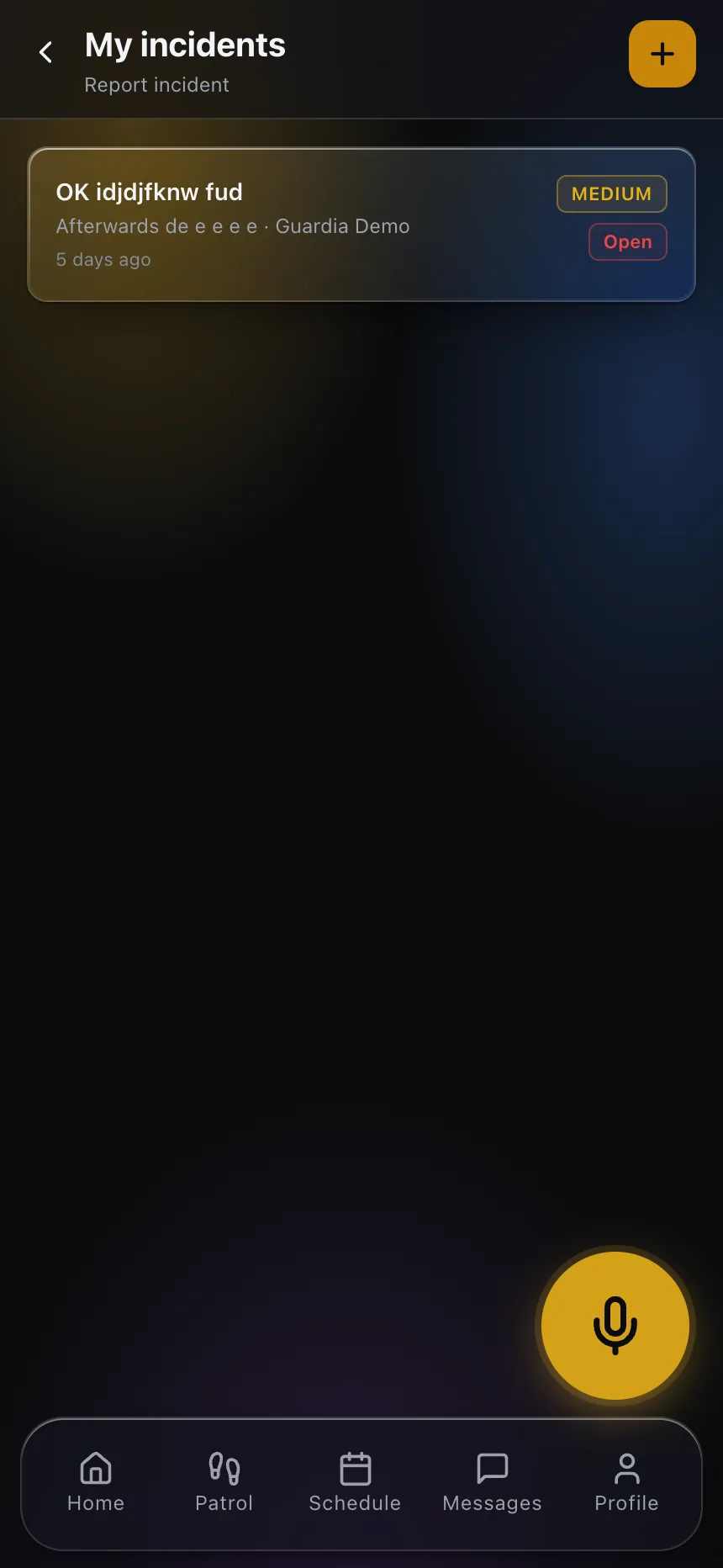
Who reviews incident photos, and are they visible beyond the people who need them? A photo taken during an incident at a bank branch is sensitive by nature — it may show a person’s face, a specific vulnerability in the property’s layout, or a moment the client would rather stayed contained to the people actually handling the response. A buyer should ask who, beyond the assigned supervisor and account manager, has visibility into that photo by default.
Does the software vendor use client data to train anything, benchmark anything, or share anything in aggregate? This is increasingly a standard question in other industries and is starting to show up in security procurement too, particularly from clients who have been through a data-privacy review process for other vendors already. A vague or evasive answer here is itself informative.
What a security company should be able to answer before being asked
Waiting to be asked these questions and improvising an answer under pressure is a worse position than having the answer ready. A security company that can walk a prospective client through exactly how its platform handles their site’s data — plainly, without hiding behind “our vendor is very secure” as a non-answer — is doing something most competitors in the room haven’t bothered to prepare.
That means actually knowing, not assuming, how the client portal segments visibility, who at the guard company itself sees what by role, and whether a client’s own compliance team can review the answers rather than take them on faith. It also means being honest about limits rather than overselling — no platform is invulnerable, and a client who’s done this evaluation before will trust an answer that acknowledges tradeoffs over one that claims perfect security.
It’s worth rehearsing this internally before the first client asks, because the difference between a confident answer and an improvised one is obvious to anyone conducting a real vendor review. Walk through, in advance, exactly which roles at the company — dispatcher, field supervisor, account manager, owner — see a given site’s floor plans, access codes and incident photos by default, and which of those views can be restricted further for a client that asks for it. A company that has actually mapped this once, rather than assuming it knows the answer, rarely gets caught flat-footed in the meeting where it matters.
The property manager’s real concern, restated
Strip away the technical framing and the underlying worry is simple: “if something goes wrong at my property, how many people I’ve never met end up with access to information about my building, my access points, and what happened there.” That’s a completely reasonable thing for a hospital, a bank, or a property manager with a portfolio of sites to want answered clearly, and it’s not a question that goes away because a guard company would rather talk about its officers’ training and experience instead.
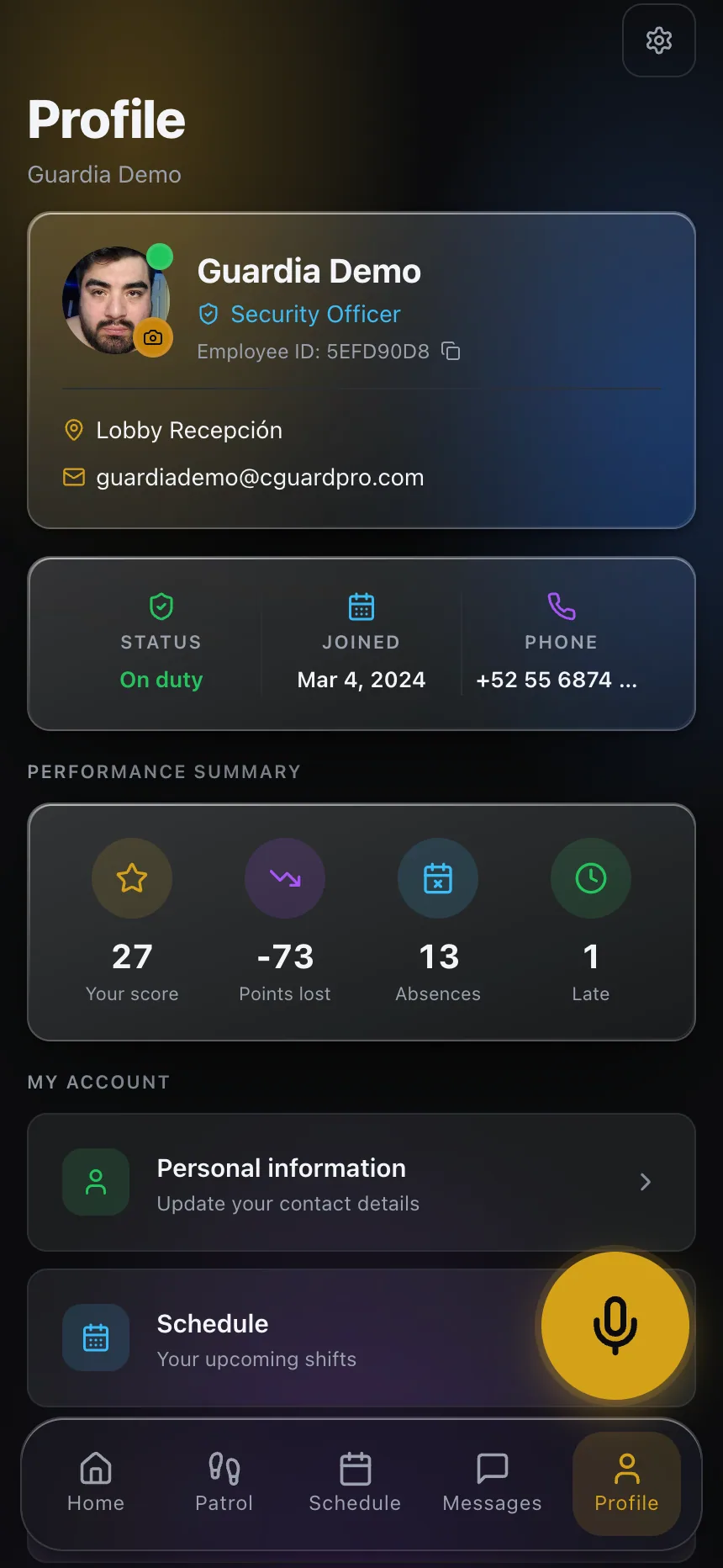
Answering it well is also a genuine differentiator, not just a defensive maneuver. A company that treats data privacy as a first-class part of its pitch — with specific, honest answers instead of a shrug toward the software vendor — is positioned to win accounts that a less prepared competitor loses at exactly this stage of the conversation, often without ever knowing why.
If you’re evaluating how a guard management platform handles access and visibility across your sites, explore CGuardPro or get in touch with the specific questions your clients are asking.