Ask a warehouse client what they’re worried about and most of them will say “outside theft” — someone cutting a fence, breaking into a trailer parked overnight, stealing from the yard. That’s a real risk, and it’s the one general patrol training covers well. It is usually not the risk that’s actually costing them money. Most loading dock shrinkage is internal, or it’s a driver and a warehouse employee working together, and it happens in broad daylight during a scheduled load, not at 3 a.m. through a cut fence. A general patrol-route post covers the perimeter. It does not, by itself, cover the dock itself — the actual transaction point where product moves from the building onto a trailer. That needs a warehouse loading dock theft prevention checklist that is narrower and more specific than “patrol the yard,” built around the moment goods change hands.
Why the dock needs its own checklist, not just more patrols
A general patrol post is designed to detect an outsider who shouldn’t be there. The dock’s risk profile is different: everyone present is supposed to be there. The driver has a legitimate reason to be at the dock. The warehouse staff loading the trailer have a legitimate reason to be there. The theft, when it happens, looks almost identical to a normal load — right up until the count doesn’t match what left the door.
That means the control that matters isn’t “did anyone unauthorized approach the dock.” It’s “does what left the building match what was supposed to leave, and is there a documented record tying a specific load to a specific trailer, seal, and signature.” A perimeter patrol answers the first question well and the second one not at all. The checklist below is built for the second question.
The warehouse loading dock theft prevention checklist, item by item
Verify the trailer seal number against the paperwork before loading begins, and photograph it. Every outbound trailer should leave with a numbered seal, and that number should match what’s recorded on the bill of lading or dispatch paperwork. This sounds obvious and gets skipped constantly, because it’s the one step that slows down a driver who’s in a hurry — which is exactly the situation someone running a scheme wants to create. A mismatched or missing seal number, caught before the trailer leaves, is the cheapest possible catch. Caught after, it’s an investigation with far fewer leads.
Verify the driver’s identity and credentials against the scheduled pickup, not just a name on a clipboard. A driver showing up for a load that was scheduled under a different carrier, or a name that doesn’t match the ID presented, is a legitimate reason to hold the load and call it in rather than wave it through because the paperwork looks close enough.
Log arrival and departure times for every trailer, not just the ones that look suspicious. The value of a complete log isn’t catching any single trailer — it’s that a complete record lets someone reconstruct a pattern later. A driver who consistently arrives during a shift change, or whose dwell time at the dock is unusually long relative to the size of the load, is a pattern that only shows up if every arrival and departure gets logged the same way, every time.
Do a visual count or spot-check against the manifest before the doors close, on a rotating and unpredictable basis. Not every load, every time — that’s not realistic at volume — but often enough, and unpredictably enough, that it isn’t a schedule anyone can plan around. The randomness is the control. A spot-check that always happens on the same shift or the same day of the week isn’t a deterrent, it’s a known gap.
Photograph the loaded trailer interior before the doors close, and the sealed doors after. This single habit resolves more disputes than any other item on this list, because it settles the “it left the building that way” question definitively instead of leaving it as one person’s word against another’s weeks later when a shortage surfaces at the receiving end.
Restrict and log who has access to the dock door controls and the yard gate, separate from who has warehouse floor access. A theft scheme that involves an employee needs a moment where product moves from inside the building to outside it, and the dock door and gate are the chokepoints. If access to those chokepoints isn’t logged separately from general building access, there’s no way to narrow down who was in a position to move something through them.
Confirm empty trailers staged in the yard are actually empty before they’re marked as such, and log that confirmation. An empty trailer sitting in the yard is an easy place to stage product for later retrieval, and “it’s empty, it’s just sitting there” is exactly the assumption that makes it a useful hiding spot.
The part that makes any of this work: verification, not an honor system
None of these items are complicated. The reason dock theft checklists fail in practice isn’t that nobody wrote one down — most warehouses have some version of this posted near the dock office. It’s that a paper checklist with a signature at the bottom is trivially easy to fill out after the fact, from memory, without actually doing the check. A supervisor reviewing a week of paper logs has no way to tell a genuinely completed seal check from one filled in at the end of the shift because the officer forgot and didn’t want to leave it blank.
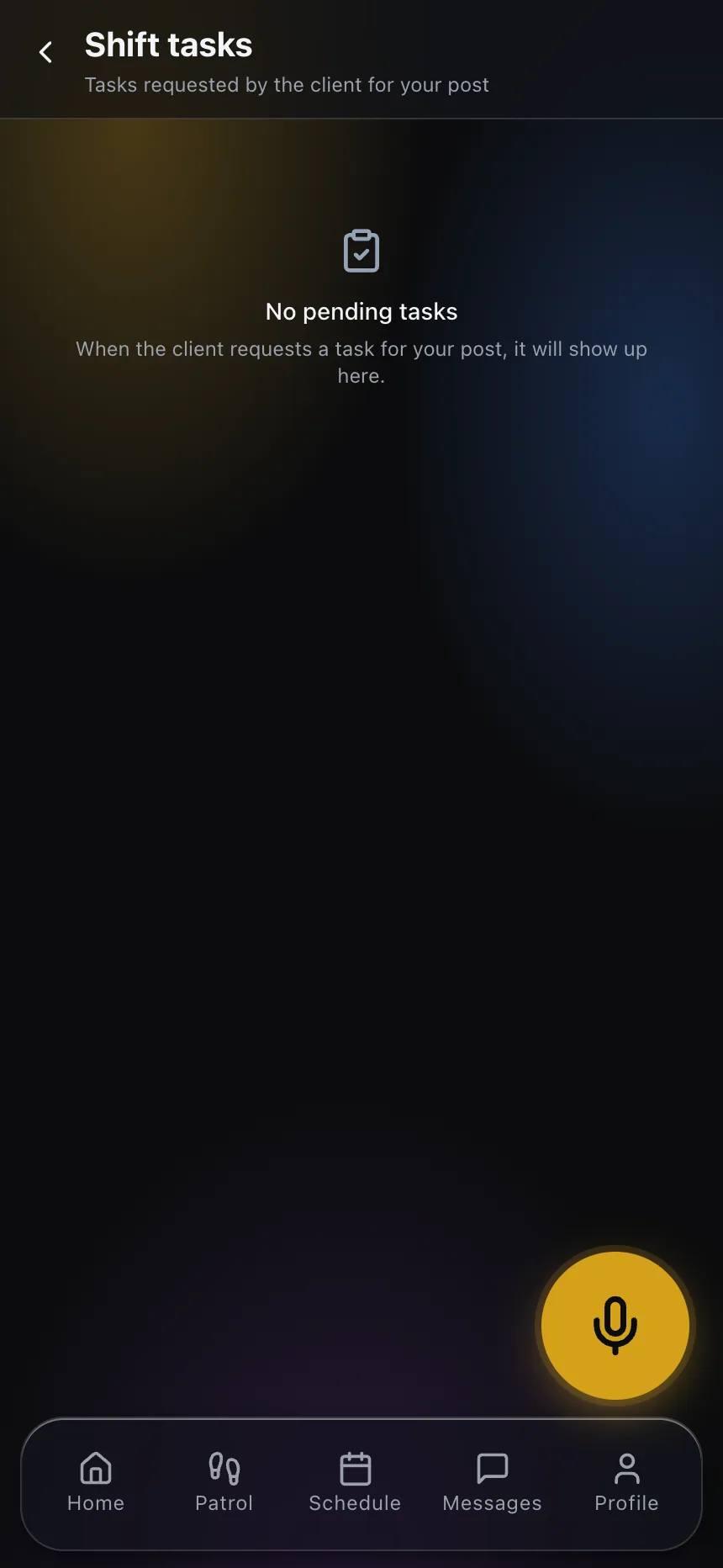
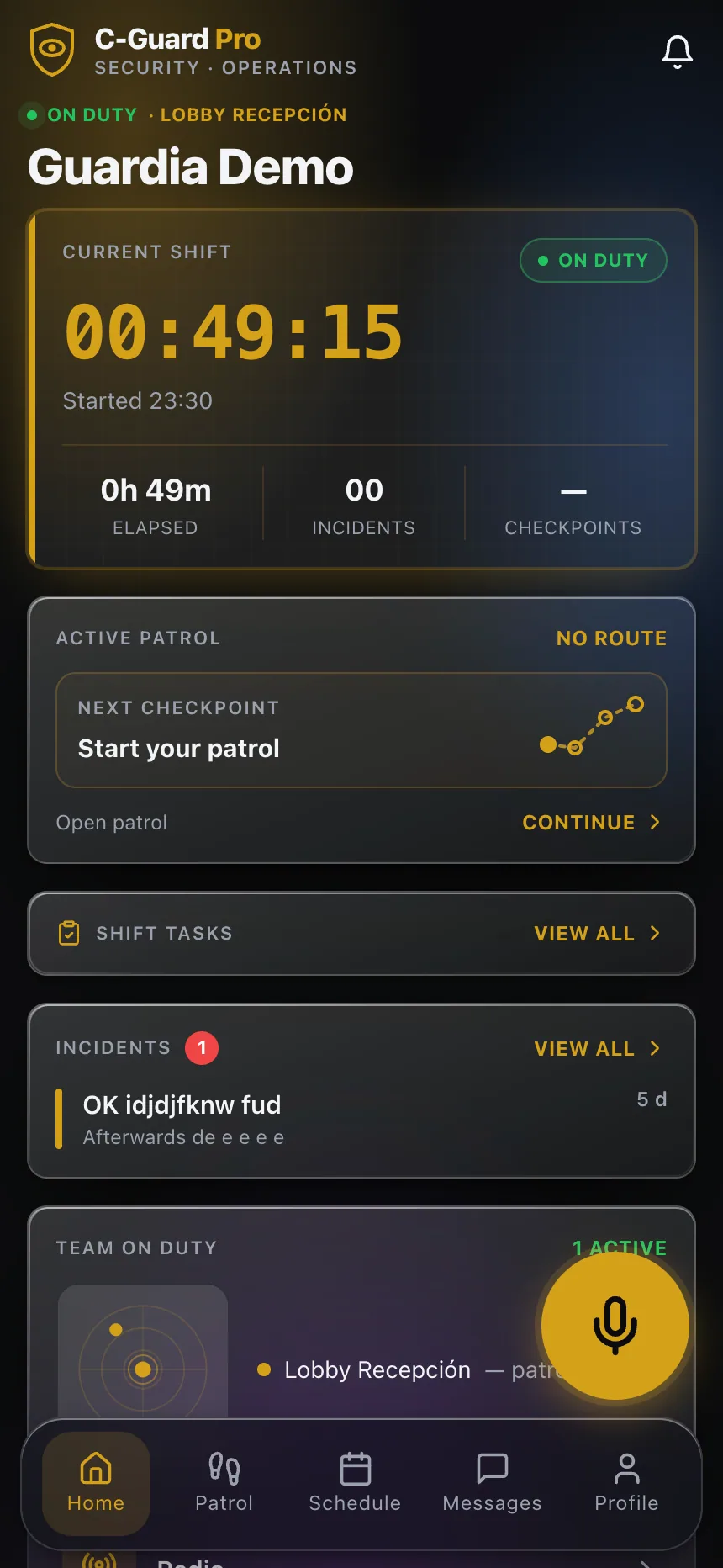
That’s the specific failure a checklist tied to the officer’s phone fixes, and it’s why it matters more here than on a routine perimeter patrol. A time-stamped, photo-attached completion — the seal number entered and the photo taken at the moment the trailer is sealed, not reconstructed later — turns the checklist from a form into a record. It also means a field supervisor reviewing dock activity across multiple sites can see which checks actually happened in real time, rather than finding out three weeks later, during a shrinkage investigation, that the seal-check line item had been checked off without a single photo behind it.
That distinction — a checklist that’s actually verified versus one that’s just filled in — is the entire difference between a control that deters and one that only looks like it does on paper. If a scheme is running at a dock, the people running it know within a week whether the checklist is real or theater, and they adjust accordingly.
Where this fits with the rest of the operation
This checklist is deliberately narrower than a general patrol route, and it should stay that way — trying to fold dock verification into the same routine as a fence-line walk dilutes both. A tasks and checklist workflow built for the specific, repeatable steps at the dock, run alongside — not instead of — the broader warehouse and logistics patrol coverage of the rest of the site, is what actually closes the internal-shrinkage gap that a perimeter-only posture leaves open.
If you want to see how photo-verified checklists work for a dock-specific post, explore CGuardPro or get in touch.