A proposal goes out describing the company’s “24/7 monitoring center,” and somewhere between the sales deck and the client’s own compliance checklist, that phrase gets read as a UL-listed central station. Nobody necessarily lied — the dispatch desk really does run around the clock, really does watch alarms and radio traffic, really does dispatch officers to calls. But UL listed central station vs contract guard response is a real, specific distinction, and blurring it in a proposal is a compliance and marketing risk that surfaces at the worst possible time: after a client’s insurer or auditor asks for proof.
What UL-listed actually means, specifically
UL-listed alarm monitoring refers to certification under the UL 827 standard for central stations — a specific, third-party-verified standard covering things like the facility’s construction, staffing, backup power and monitoring procedures. It is not a general description of “a room with people watching screens all night.” It’s a certification a facility either holds, current and verifiable, or doesn’t, and there’s no partial or informal version of it. A company cannot be “basically UL-listed” the way it can be basically compliant with a looser internal standard.
That specificity is the entire point of the certification. A client relying on UL-listed monitoring for insurance purposes, for a contractual requirement, or for their own regulatory compliance is relying on the fact that an independent body verified the facility meets a defined standard — not on the good intentions of whoever runs the desk. A guard company’s own dispatch operation, however well run, hasn’t gone through that verification unless it specifically has, and most haven’t, because it’s a different business function with a different certification path than running guard operations.
Why a good dispatch desk still isn’t the same thing
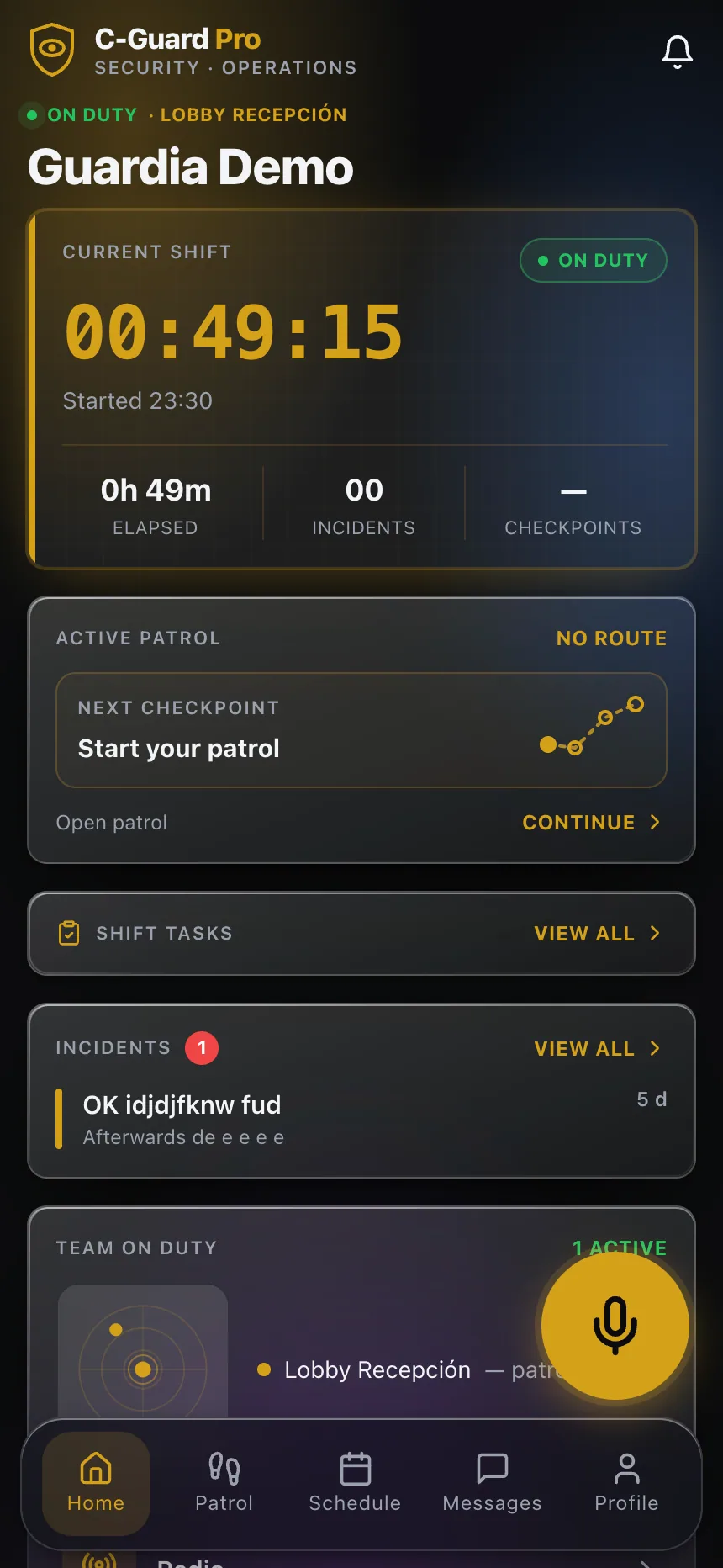
None of this is a knock on a well-run internal dispatch desk. A security dispatch operation that tracks officer location, routes calls, and coordinates response across a portfolio of sites is doing real, valuable work — coordinating the guard force’s own response to whatever it’s watching. What it isn’t, unless separately and currently certified, is a UL-listed central station, and the two serve genuinely different functions even when they sound similar in a sales conversation. A central station’s job is verified alarm monitoring against a defined standard. A dispatch desk’s job is coordinating a guard force’s response once something needs a person to show up.
Where UL listed central station vs contract guard response claims go wrong
The failure isn’t usually a company claiming UL listing outright when it has none — that’s a clear, checkable lie most companies avoid. It’s softer language that lets a client draw the wrong conclusion without the company technically stating anything false: “monitored around the clock,” “central dispatch,” “24/7 monitoring center,” used in a context where the client’s own compliance requirement specifically calls for UL-listed monitoring. The client reads the proposal, assumes the requirement is satisfied, and only finds out otherwise when an insurer, auditor, or their own risk manager asks for the certification directly.
At that point it’s the client’s problem first — a coverage gap or a compliance failure discovered late — and the guard company’s problem immediately after, because the client now has reason to question everything else in the proposal that used similarly soft language. That’s a harder position to recover from than simply not having the certification in the first place would have been, because it reads as the company having let the client believe something that wasn’t true.
This is also where sales training matters more than any single line in a proposal template. A rep who’s been told to lead with “we monitor 24/7” without understanding why that phrase reads differently to a compliance officer than it does to a property manager will keep using it, contract after contract, until one client’s insurer actually asks the question that exposes the gap. Fixing the language in one proposal doesn’t fix the habit that produced it.
When a guard force actually needs to be paired with UL-listed monitoring
The honest answer for most guard companies is that their dispatch desk and a UL-listed central station aren’t competing options — they’re complementary, and a client with a genuine requirement for UL-listed alarm monitoring needs an actual, currently certified central station handling that specific function, with the guard company’s dispatch and field response built to receive and act on what that central station reports. A panic button or lone-worker alert system feeding into the guard company’s own dispatch is a legitimate and valuable layer of response coordination — it just isn’t a substitute for certified alarm monitoring where a client’s requirement specifically calls for one.
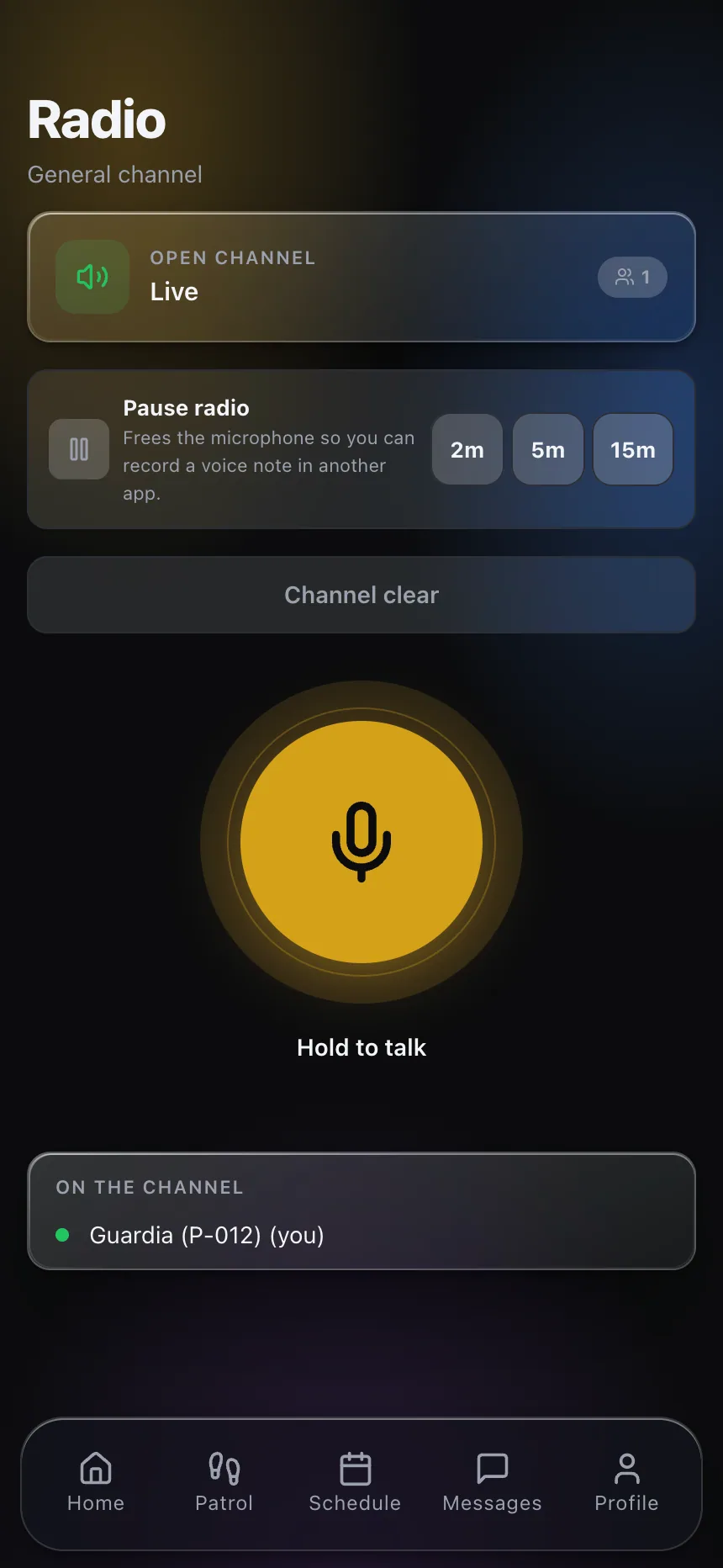
Being clear about that distinction in a proposal, rather than letting the two blur together, is what actually protects both the guard company and the client. It also opens the more useful conversation: how does the guard force’s push-to-talk response and field coordination plug into a UL-listed monitoring provider’s alerts, so that a verified alarm turns into an officer physically responding as fast as the client’s contract requires — which is a real, sellable capability that doesn’t depend on misrepresenting what the dispatch desk itself is certified to do.
What to tell a client who asks directly
If a client asks whether the company’s dispatch desk is UL-listed, the answer is either yes, with current documentation to prove it, or an honest no paired with an explanation of what the dispatch desk actually does and how it works alongside certified monitoring where the client needs it. Any vendor — including your own company, and including any competitor a client is comparing against — should be asked for proof of a current UL listing before that claim gets relied on for anything contractual or insurance-related. A listing can also lapse, so “verified once” isn’t the same as “verified now.”
The honest no is rarely the deal-breaker owners fear it will be. Most clients asking the question already suspect the answer and are testing whether the company will tell them the truth or talk around it. A straight answer, paired with a clear explanation of what the dispatch desk does well, tends to land better than a vague claim that unravels the moment someone checks it directly with UL.
This post describes a general industry distinction and is not a certification determination for any specific facility. Confirm current UL listing status directly with UL or with the facility in question before relying on it for any compliance or contractual purpose.
If you want to see how dispatch, alerts and field response coordinate inside a guard operation, get in touch to talk through how it fits alongside certified monitoring you already use.