The alert comes in at 3:14 a.m.: thermal camera on the north perimeter fence line, a human-shaped heat signature, moving. Dispatch pushes it to the officer on rounds, who now has to decide, in the dark, how seriously to take a shape on a screen that could be a person cutting through the fence line, a maintenance contractor who wasn’t on the schedule, or a deer that wandered against the fence in a way that reads as upright on a low-resolution thermal feed. This is the moment thermal camera perimeter security limitations stop being a spec-sheet detail and become an actual operational decision, and it’s worth understanding exactly what that alert did and didn’t tell the officer before he responds to it.
Thermal camera perimeter security limitations start with detection, not identification
A thermal camera doesn’t see a person. It sees a heat differential — anything warmer or cooler than its surroundings, rendered as a shape. A human body produces a fairly distinctive heat signature, which is exactly why thermal is genuinely useful for perimeter detection in low light or full darkness where a standard camera would show nothing at all. But “distinctive” isn’t the same as “identifiable.” Thermal footage can tell you something warm and roughly human-sized is present. It cannot tell you who that is, what they’re wearing, whether they’re carrying something, or in some conditions, reliably distinguish a person from a large animal at distance or in certain weather.
This isn’t a flaw in any particular camera or a reason to dismiss the technology — it’s simply what thermal imaging is and isn’t built to do, and treating an alert as more informative than that leads directly to bad decisions on post.
Why this specific gap matters operationally
The failure mode isn’t usually “the thermal camera missed something.” It’s the opposite: an officer treats a thermal alert as if it were a confirmed sighting of an intruder, and responds — or fails to respond — based on an assumption the camera never actually supported. An officer who assumes every thermal alert is a real intrusion attempt burns out fast on false positives (wildlife, a maintenance worker, a piece of equipment cooling unevenly after shutdown) and starts treating every subsequent alert with less urgency, which is exactly how a genuine intrusion eventually gets waved off as “probably another deer.”
The opposite mistake is just as real: an officer who’s been burned by false positives stops taking thermal alerts seriously at all, and the one night it’s an actual person at the fence line, the response is slower than it should be because the alert type itself has been mentally downgraded.
What paired verification actually looks like
The fix isn’t a better thermal camera — even a much higher-resolution thermal unit still shows a heat shape, not an identity. The fix is treating a thermal alert as the first half of a two-step process, not the whole answer. A visible-light camera aimed at the same zone, even a basic one with adequate lighting or infrared illumination, lets someone actually see what triggered the heat signature — a person’s outline, clothing, whether they’re carrying tools, versus an animal’s gait and shape, which look nothing like a person’s once you can actually see rather than just detect. Where paired visible coverage exists, checking it before dispatching a physical response turns a guess into an actual assessment.
Where paired coverage doesn’t exist, or doesn’t give a clear enough picture, the officer still has to close that gap in person — approaching the location, at a safe distance and with appropriate caution, as part of the patrol response, to physically verify what’s actually there before treating the alert as confirmed. That’s not a failure of the technology; it’s the technology doing exactly what it’s supposed to do, which is tell someone where to look, not replace the person doing the looking.
Building this into post orders instead of leaving it to instinct
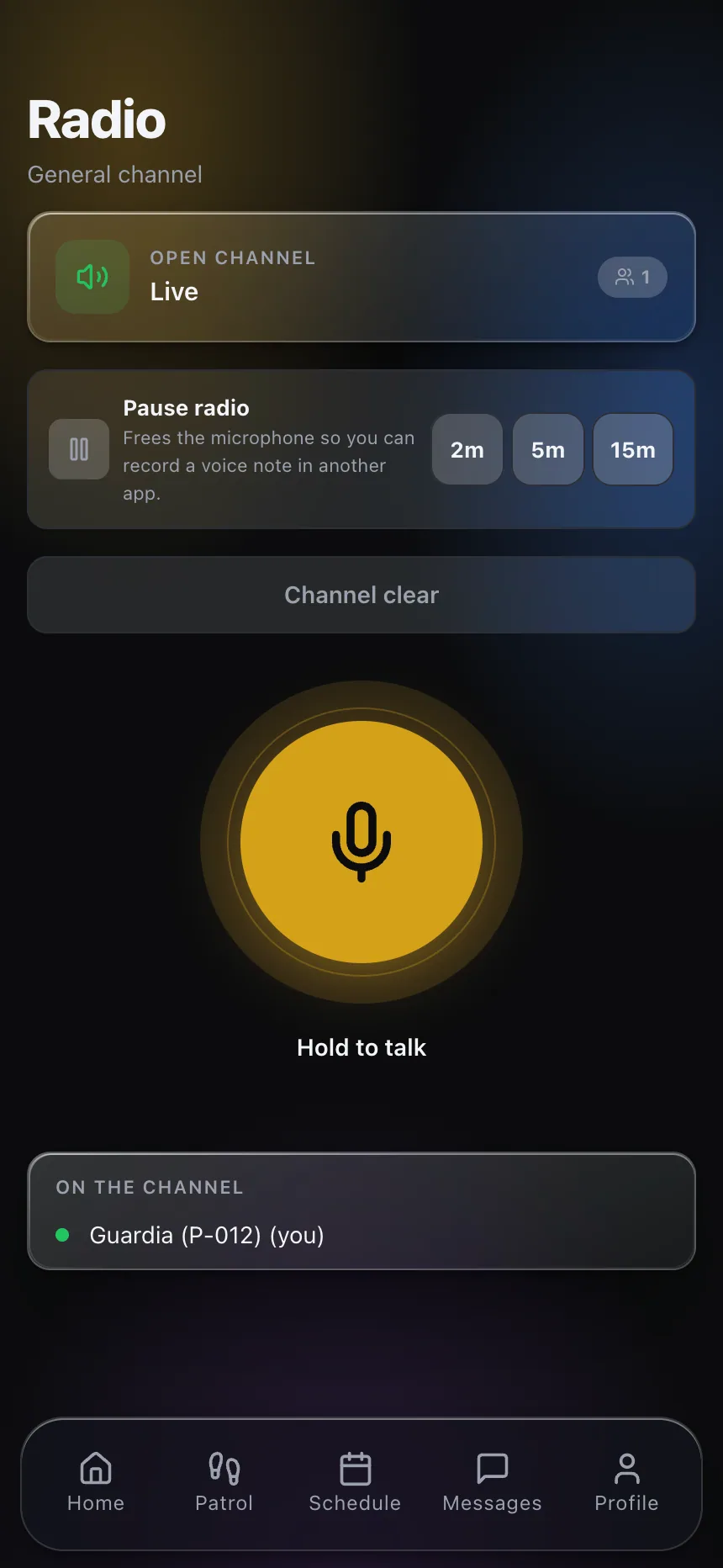
None of this should be left to whatever an individual officer happens to conclude in the moment. Post orders covering a site with thermal perimeter coverage should specify exactly what a thermal alert requires: check paired visible footage first if it exists, communicate what’s seen or not seen to dispatch over the radio, and only then decide whether an in-person approach is warranted and at what level of caution. That sequence, written down and trained on, is what actually prevents both failure modes — the officer who overreacts to every alert and burns out on false positives, and the officer who’s stopped reacting at all.
It’s also worth tracking, over time, what proportion of thermal alerts at a given site turn out to be wildlife, equipment, or other non-incidents versus something that warranted an actual response. That pattern — visible in how alert outcomes get logged as incidents over time — tells you whether the camera’s placement, sensitivity, or the site’s specific conditions are producing more noise than signal, which is a conversation worth having with whoever installed the system rather than something officers should just learn to live with.
What dispatch sees changes how fast the officer moves
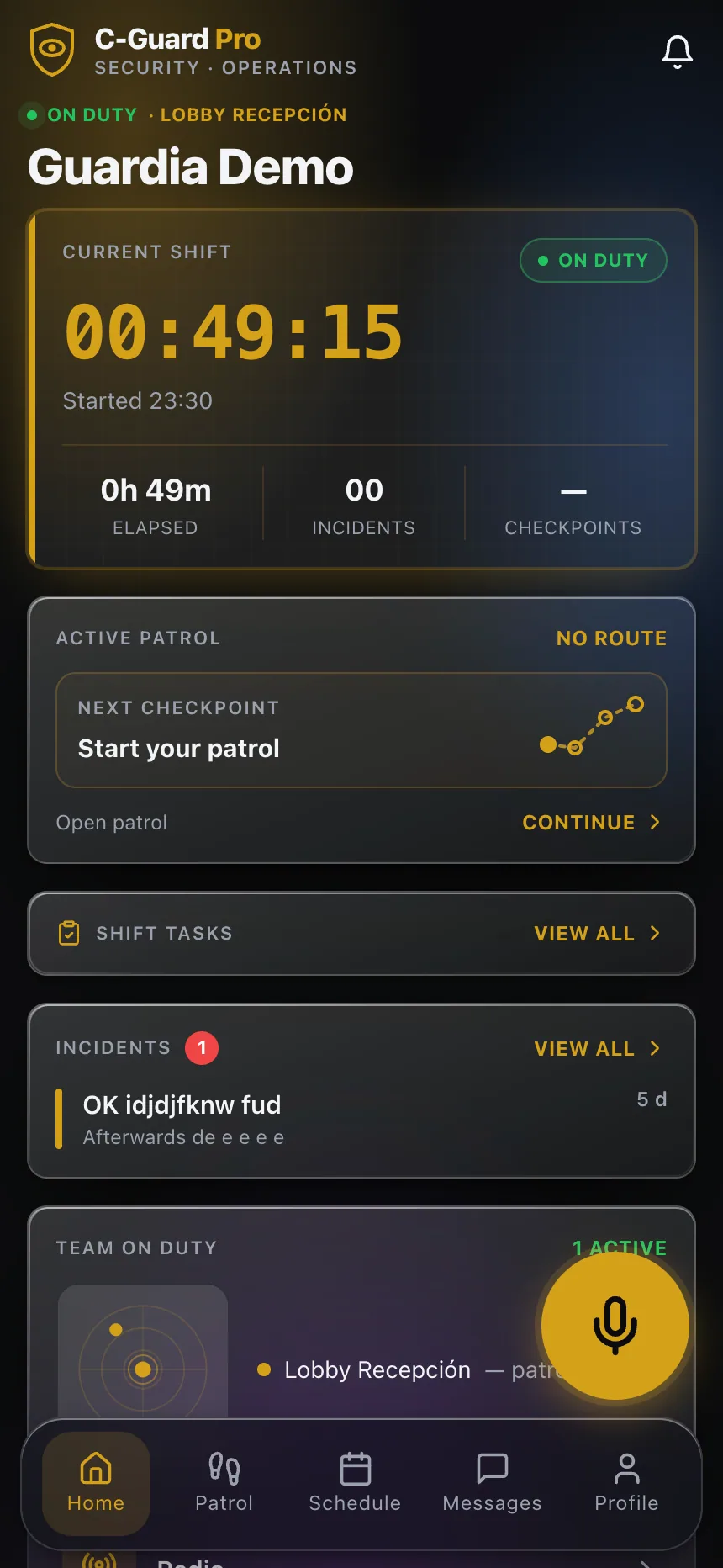
The officer approaching a fence line at 3 a.m. isn’t operating alone, and shouldn’t be treated as if the decision rests entirely on their own judgment in the moment. Whoever’s watching dispatch for that shift benefits from the same paired information the officer is working with — the original thermal alert, whatever the visible camera showed if anything, and the officer’s own radio update as they approach. A dispatcher who can see all of that on one screen is in a position to call for backup, alert a neighboring post, or tell the officer to hold position and wait rather than approach alone, based on actual information rather than a secondhand description relayed over the radio in the middle of the response.
That coordination is what separates a well-run response to an ambiguous alert from one where a single officer is making every decision alone in the dark, with no one else able to weigh in until after the fact. A dashboard showing the alert, the site, and the officer’s current status gives a supervisor or dispatcher the same picture the officer has, in time to actually help rather than just review it afterward.
Realistic expectations, not vendor hype
Thermal cameras are a genuinely useful tool for perimeter awareness in the dark, and no property manager should skip installing them where nighttime perimeter visibility is a real gap. What thermal cameras are not is a replacement for a person confirming what’s actually happening, and any vendor who pitches thermal coverage as reducing the need for an actual officer response is describing a capability the technology doesn’t have. The camera tells you where to look. The officer still has to look.
If you want to see how alert verification and radio confirmation fit into an officer’s actual workflow, explore CGuardPro or get in touch.