The mistake most companies make when a client calls about a planned protest is treating it like any other staffing surge — pull a few extra bodies, bump the post count, done. Civil unrest protest response planning for security guard companies has to be a different kind of plan, because a protest isn’t just a busy day. It has its own communication needs, its own escalation risks, and its own answer to a question normal staffing never has to ask: what does an officer do if it turns.
Before the event: the checklist that actually helps
Talk to the client’s own security team, not just the property manager
A property manager can tell you the protest is scheduled and where it’s expected to gather. The client’s own security or facilities security team — if the account has one — knows things the property manager doesn’t: whether they’ve dealt with this group or cause before, what local coordination already exists with police, and what the client actually wants your officers doing versus what they want handled entirely by others. Skipping this conversation and staffing off the property manager’s summary alone is how officers show up without knowing which entrances the client actually wants monitored.
Get a documented escalation trigger, in writing, before the event
The single most useful thing to have on paper before a protest is a clear, specific answer to “at what point does this stop being a normal staffing situation and become something we escalate.” That trigger shouldn’t be left to an officer’s judgment in the moment — write it down: a certain kind of contact with protesters, a specific escalation from the crowd, any sign the group is entering the property versus staying on public right-of-way. A documented trigger means every officer on the post is working from the same line, instead of five different people guessing where it is.
Confirm the disengage plan, not just the response plan
Most staffing plans focus entirely on how officers respond if something happens. The plan that actually protects people and the client’s liability is the disengage plan — the explicit instruction that if the situation escalates past the documented trigger, officers move to a safe position and observe rather than intervene physically. This needs to be said plainly in the post orders for the event, because the instinct to “do something” runs strong, and an officer who intervenes in a crowd situation beyond their role can turn a manageable event into a serious incident for both the officer and the client.
Establish the communication line before, not during
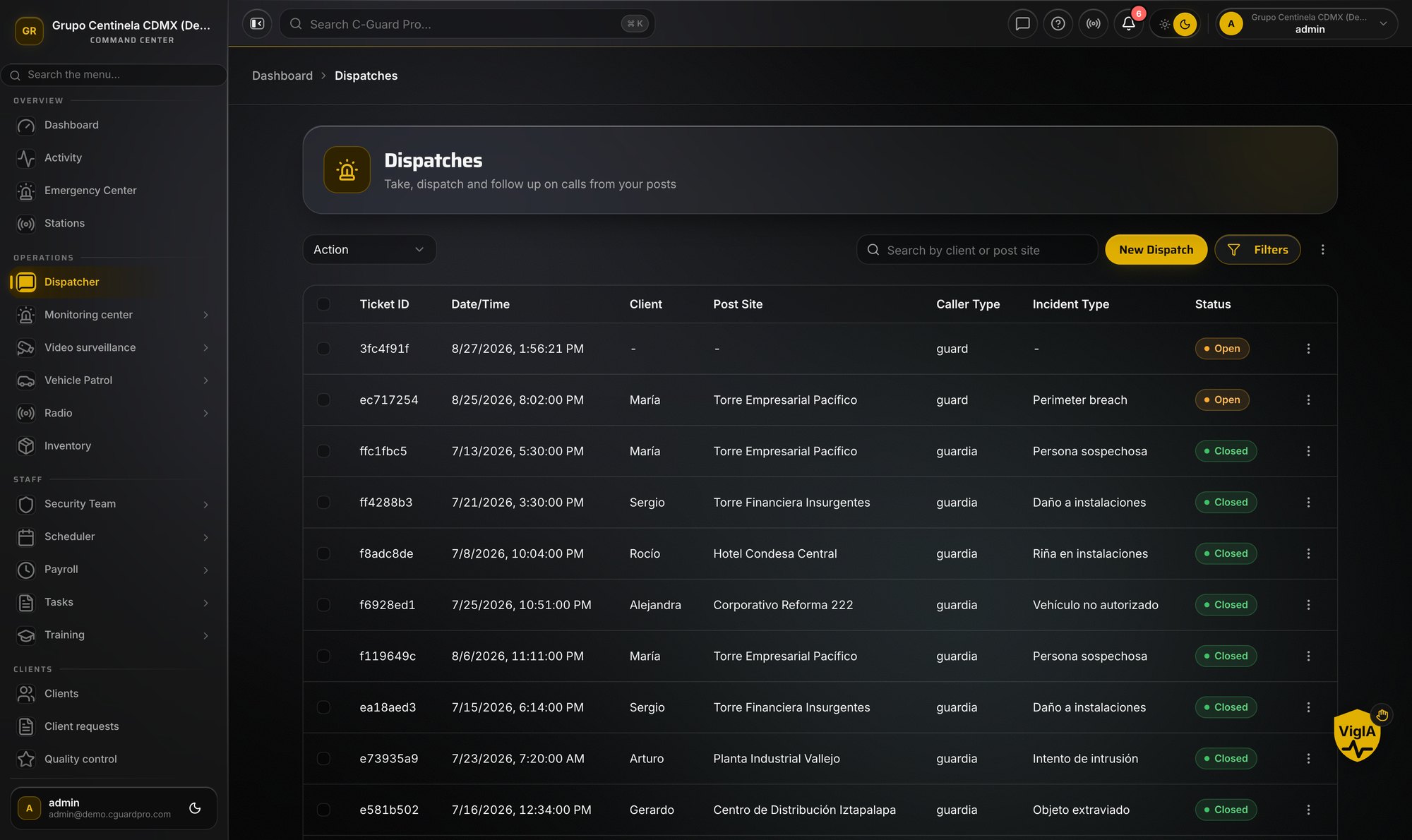
Confirm which channel officers use to reach dispatch and each other during the event, separate from routine radio traffic, so an update during a fast-moving situation doesn’t get buried behind unrelated chatter. If the event runs long or spans a shift change, make sure the plan and the escalation trigger get passed to the incoming officers explicitly rather than assumed to carry over — a protest that’s calm for six hours can change quickly, and an incoming officer who wasn’t briefed is starting from zero at the worst possible time.
Brief every officer on the plan, individually, not just the supervisor
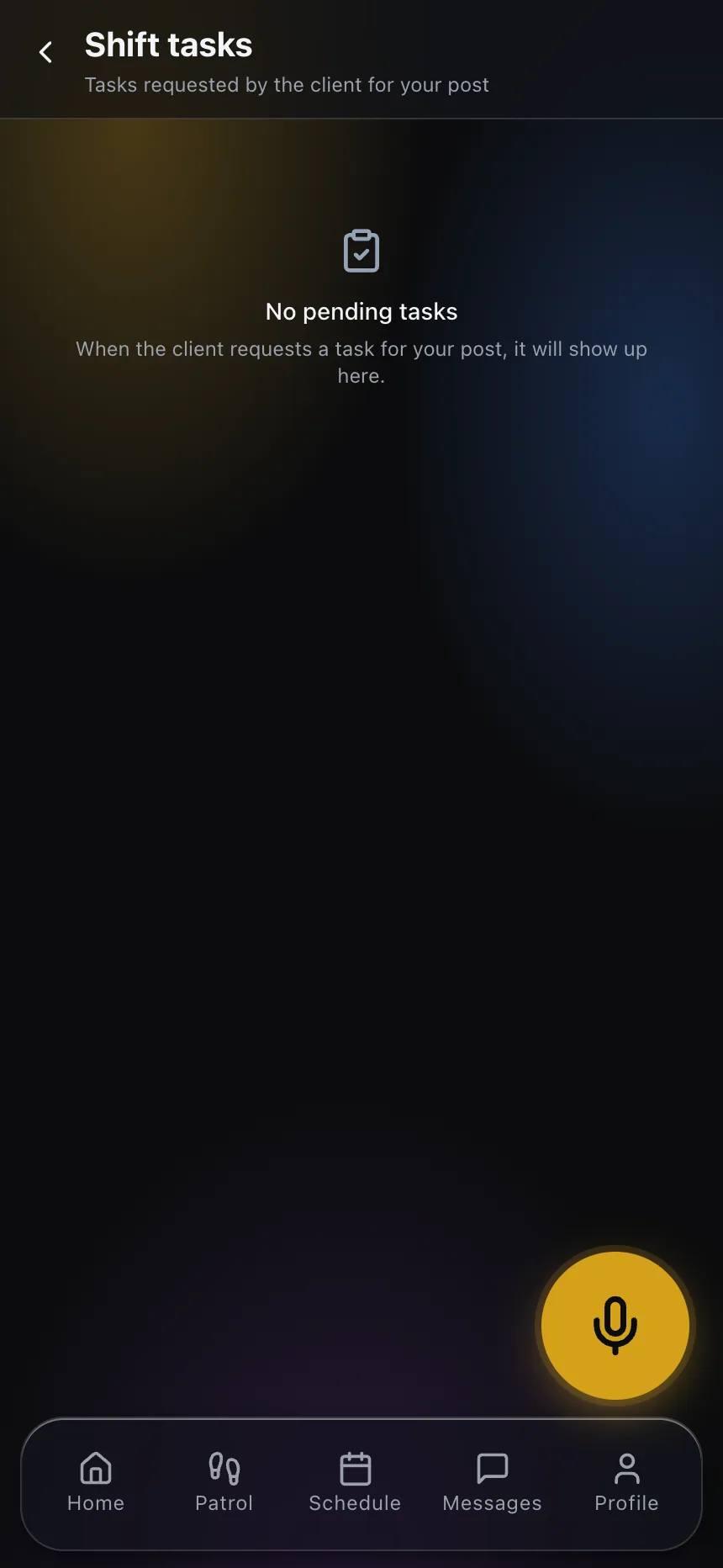
A plan that lives with the field supervisor and doesn’t reach every officer on the post only works if the supervisor is standing next to every officer when something happens. Brief the escalation trigger and the disengage instruction to every officer scheduled for the event, and put it in front of them as a task they acknowledge before the shift starts, not a verbal reminder that’s easy to forget by hour four.
During the event: what changes minute to minute
Staffing during the event itself should assume the situation is dynamic even if it starts calm. Keep whoever’s coordinating dispatch aware of crowd size and mood as it develops, not just at the start of the shift, and have a plan for adding coverage on short notice if the client’s own security team or local authorities signal the event is growing. This is also where the earlier conversation with the client’s security team pays off — if they said protests like this tend to build toward the evening, staff for that pattern instead of being surprised by it.
Position officers with the disengage plan in mind, not just the response plan. That usually means favoring visibility and a clear line of retreat over standing directly between the property line and the crowd, and it means making sure every officer knows where that retreat point actually is before the event starts rather than working it out in the moment. A field supervisor who can move between posts and relay real-time changes to the plan is worth more during a fluid event than an equal number of additional fixed-post officers who can only react to what they can personally see.
After the event: the documentation that protects everyone
Every officer on the post should file a record of what they observed and did, even on a shift where nothing escalated past routine — a documented “nothing happened, here’s what we observed” is worth having if a question comes up later about the company’s response. If anything did escalate to the documented trigger, that record needs the same rigor as any other incident report: what was observed, what the escalation trigger was, when it was reached, and what officers did in response, including confirming they disengaged rather than intervened if that’s what the plan called for.
Civil unrest protest response planning for security guard companies is the differentiator
Any company can add bodies for a scheduled protest. What separates a company a client trusts with this kind of event from one they don’t is a documented plan that covers communication with the client’s own team, a clear escalation trigger, and an explicit disengage instruction — built and briefed before the event, not improvised once people are already standing on the line.
Run a short debrief with the field supervisor and, where possible, the client’s own security contact within a day or two of the event, while the details are still fresh. Note what the plan got right, where the escalation trigger was too vague or too conservative for what actually happened, and whether the communication line held up under real load. That debrief is what turns one well-handled protest into a checklist the company can reuse with confidence the next time a client calls with the same kind of request — instead of starting the planning conversation from zero again.
If you want to see how event staffing, task acknowledgment and dispatch coordination come together for a planned event, explore CGuardPro or get in touch.