Ask five officers what BOLO stands for and most of them will get it right. Ask what has to be true before dispatch actually sends one out, and the answers get vague fast. That gap is the more useful place to spend time, because knowing the BOLO meaning security guard teams learn on day one — “be on the lookout” — does nothing to help an officer decide whether the description dispatch just read over the radio is specific enough to act on, or vague enough to be a waste of everyone’s attention for the rest of the shift.
The BOLO meaning security guard training usually skips: it’s a standard, not just a phrase
BOLO originated in law enforcement radio traffic and made its way into private security the same way a lot of dispatch vocabulary did — through officers who came from law enforcement backgrounds bringing the language with them. The literal meaning is simple: be alert for a specific person, vehicle, or item because of something that already happened or was reported. What gets lost in translation from law enforcement to private security is the discipline behind issuing one. A police BOLO is generally built from a specific incident, a specific description, and a specific reason officers need to be watching for it right now. A private security BOLO too often gets issued from something much thinner — a vague report, a hunch, a description missing the details that would actually let anyone recognize the person or vehicle if they saw it.
That distinction matters because a bad BOLO doesn’t just fail to help — it actively costs you. Every officer who takes an overly vague BOLO seriously spends attention scanning for something they can’t actually identify, which pulls focus away from their actual post and their actual post orders. A pattern of vague BOLOs going out regularly also trains officers to tune them out entirely, the same way a car alarm that goes off constantly stops making anyone look up — so that when a genuinely specific, actionable BOLO does go out, it gets the same reduced attention as all the noise that came before it.
What actually has to be in a BOLO before dispatch sends it
A BOLO worth sending needs, at minimum, a specific and distinguishing description — not “a man in a dark jacket” but details that would actually let an officer recognize the person or vehicle among everyone else present: distinctive clothing, an identifiable vehicle with plate information if available, a specific direction of travel, and the actual behavior or incident that triggered the alert in the first place, not just a vague sense that something was off. It also needs a source — where did this information come from, and how reliable is it — because a BOLO built on a single unclear sighting deserves less weight and less urgency than one built on a confirmed incident with a clear description.
Just as important is a time boundary. A BOLO issued without an implicit or explicit expiration tends to linger in officers’ attention indefinitely, well past the point where it’s still relevant, which is its own form of noise. Good dispatch practice treats a BOLO as time-bound by default — relevant for this shift, or until a specific event resolves it — and actively closes it out once it’s no longer useful, rather than letting it fade into the background because nobody explicitly canceled it.
Who should actually be allowed to issue one
Not every report that comes in over the radio should automatically become a BOLO, and part of running a disciplined dispatch operation is deciding who has the authority to turn a report into an alert that goes out to every officer on shift. If any officer’s raw, unverified observation can trigger a company-wide BOLO without a dispatcher or supervisor reviewing it first for the specificity and reliability described above, you’ll get exactly the alert fatigue problem described earlier — a high volume of low-quality alerts that officers eventually learn to ignore. A dispatcher or field supervisor filtering incoming reports before they become a BOLO, checking for a specific description and a legitimate source, is what keeps the system credible.
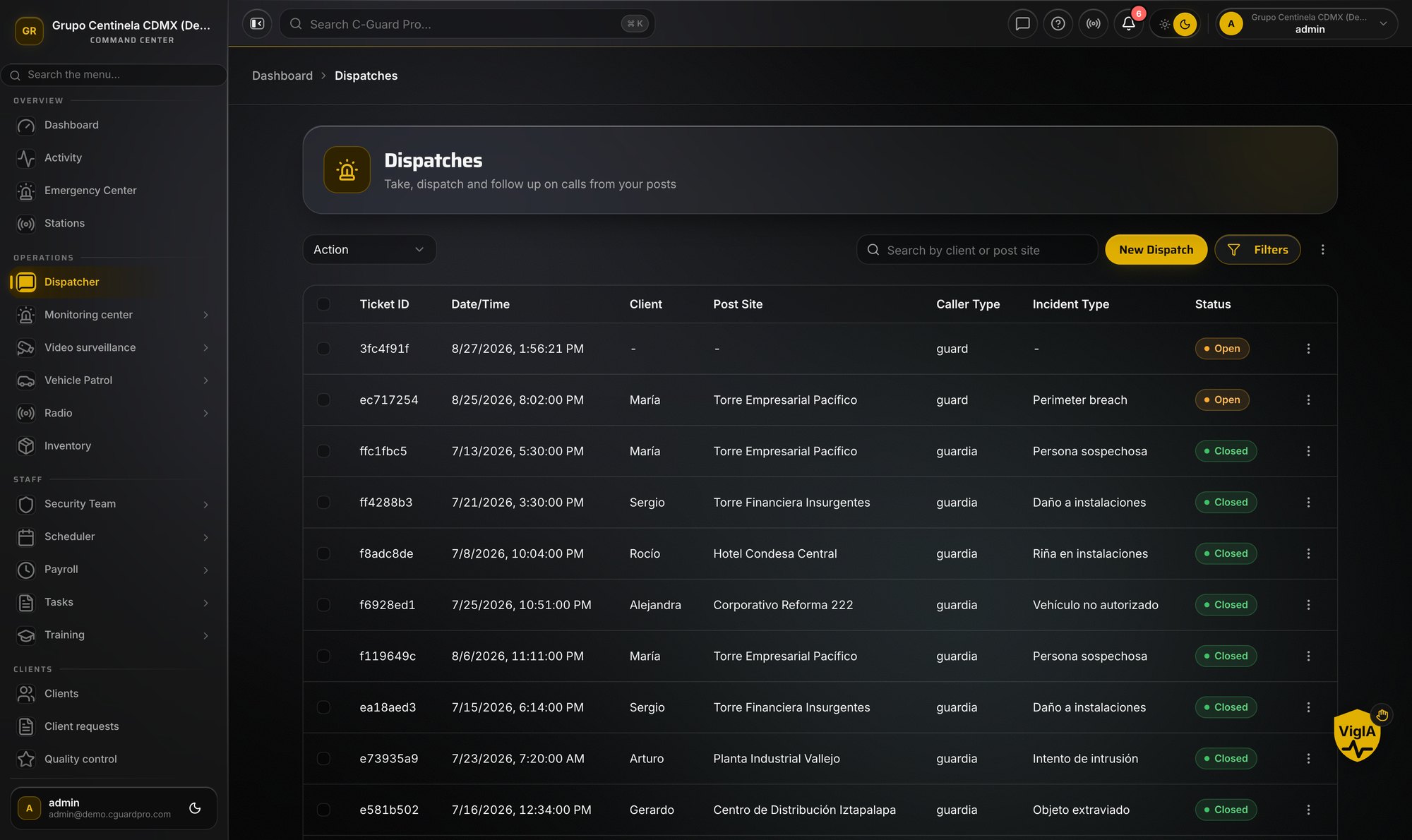
This is also where documentation earns its keep. A BOLO that goes out over the radio and is never logged anywhere leaves no record for the client, no record for a follow-up investigation, and no way to review afterward whether the alert was justified. Logging BOLOs as part of the shift’s daily activity report — what was reported, by whom, what the description was, and how it resolved — turns a radio call into something a supervisor can actually review and learn from, rather than something that exists only in the memory of whoever was on shift that night.
The liability side nobody talks about
There’s a real downside to a badly built BOLO that goes beyond wasted attention: a vague description built on thin information can end up describing a broad category of people rather than a specific individual, and officers acting on that vague description can end up stopping, following, or treating with suspicion people who had nothing to do with whatever triggered the alert in the first place. This isn’t a hypothetical concern — it’s the direct, foreseeable consequence of sending out a description that isn’t actually specific enough to distinguish one person or vehicle from many others who happen to share a similar general description. A private security company issuing BOLOs has the same obligation to be careful and specific here as any organization whose alerts direct officers to treat particular people with suspicion, and a supervisor reviewing a BOLO before it goes out should be asking not just “is this specific enough to be useful” but “is this specific enough not to just describe a broad group of unrelated people.”
This is one more reason the review step before issuing a BOLO matters as much as it does. A dispatcher or supervisor with the authority to hold back a vague report, and the judgment to ask for more specific details before it goes out to every officer on shift, is protecting the company from a real liability exposure, not just improving alert quality.
Treat the standard as the actual training, not the acronym
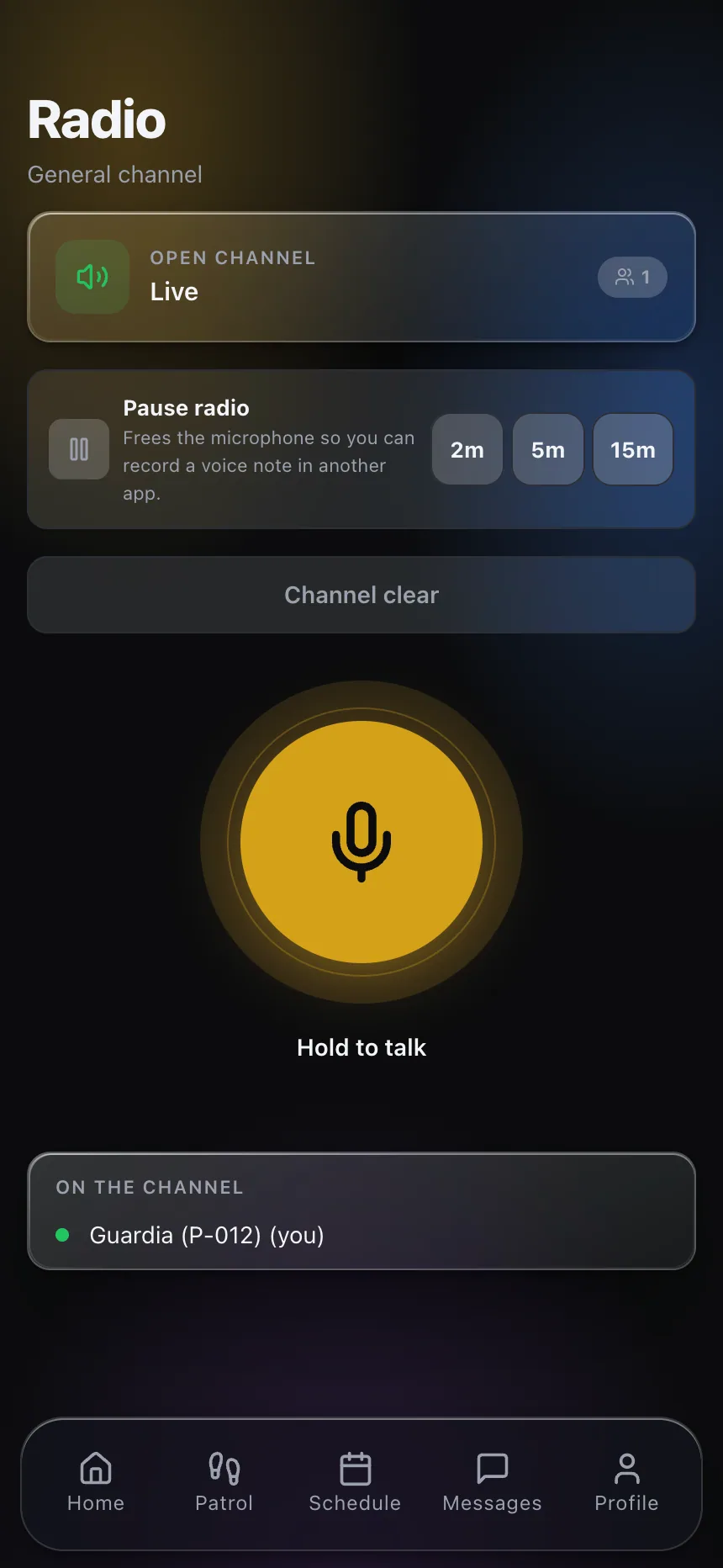
If you’re training officers on BOLOs, spend less time on what the letters stand for and more time on what makes one worth acting on: a specific, distinguishing description; a stated or implied time window; a credible source; and a dispatcher or supervisor who reviewed it before it went out to the whole team. Officers who understand that standard will naturally take a well-built BOLO more seriously, because they’ve learned to distinguish it from the vague, unfiltered alerts that erode trust in the system over time.
Getting this right depends on dispatch actually having the tools to filter, log, and time-box alerts rather than just broadcasting whatever comes in over an open channel. If you want to see how dispatch and push-to-talk radio work together to keep alerts specific and accountable, explore CGuardPro or get in touch.