An officer who’s carried a valid guard card for years in one state, and gets floated to cover a client’s second location two states over, often assumes the license just comes with them. It doesn’t, and the question of security guard license reciprocity between states comes up constantly at companies expanding past their home market — usually right when someone’s already agreed to staff the new site. Here’s the unglamorous answer, in the form of the questions that actually get asked.
”Does my license transfer if I move to another state?”
Generally, no. Security guard licensing is issued and enforced at the state level — sometimes even at the local level within a state — and there is no nationwide guard license any state has to recognize. A license good in one state is, by default, worthless in the next one for the purpose of legally working an armed or unarmed post there. Treat “it probably transfers” as the default wrong assumption, not the safe one.
”Some states must give credit for training I already did, right?”
Sometimes, partially. A handful of states will accept some of an officer’s prior training hours or prior licensing as partial credit toward their own requirements, shortening what the officer still has to complete rather than eliminating it. Which states do this, and how much credit they give, changes over time and is not something to guess at from a forum thread or a competitor’s marketing page — it has to be confirmed directly with the destination state’s own licensing regulator before you schedule anyone to work there.
”What about the background check and fingerprints — surely those carry over?”
Almost never in full. Background checks and fingerprint clearances are usually tied to the specific state, and sometimes the specific agency, that ran them, and most destination states will require their own version even if the officer cleared one recently elsewhere. Build the timeline for opening a new state around the assumption that this step starts from zero, because assuming otherwise is how a contract start date gets missed.
“What if we just don’t tell anyone and staff the contract anyway?”
Some owners, staring down a tight contract start date, quietly consider staffing a new state with officers licensed only in their home state and hoping the gap goes unnoticed. Don’t. An unlicensed officer working a post in a state that requires a license is an exposure that doesn’t stay hidden — it surfaces during a licensing audit, during a workers’ comp claim, or during discovery in a lawsuit after an incident, and at that point the company is defending an operational shortcut instead of an isolated mistake. It also puts the officer personally at risk in a way that has nothing to do with the company’s convenience. The honest answer to a tight timeline is renegotiating the start date with the client, not staffing around the requirement.
”Does this apply the same way to armed officers?”
Assume it’s at least as strict, not less. States that license armed officers separately from unarmed ones typically layer additional requirements on top of the base license — further reason not to assume any credential, armed or unarmed, simply carries across a state line. If a contract calls for armed coverage in a new state, that’s a conversation to start earlier than the unarmed licensing question, because the additional requirements can extend the timeline further than an unarmed-only rollout would.
”So what should we actually do before staffing across a state line?”
Start with the destination state’s own regulator — its licensing board, department of public safety, or whatever agency handles private security licensing there — and get the requirements in writing from them, not from a generalized reciprocity chart someone put together years ago. Requirements, fees, timelines and which credentials carry weight vary by state and change over time, and a chart built for a different year or a different reader’s situation is not something to staff a contract on. This is not legal advice; verify current requirements with the regulator in the destination state and with counsel before moving an officer or opening operations there.
Once you have the real requirements, build the timeline backward from the contract start date. Licensing, any required training, and the background check can each take longer than expected, and they often can’t run in parallel — some states require the license before the background check clears, others require it after. If a client contract has you staffing a new state on a tight runway, that timeline is the thing to negotiate, not the corners to cut on it.
”How do you keep track of this once you’re running guards in more than one state?”
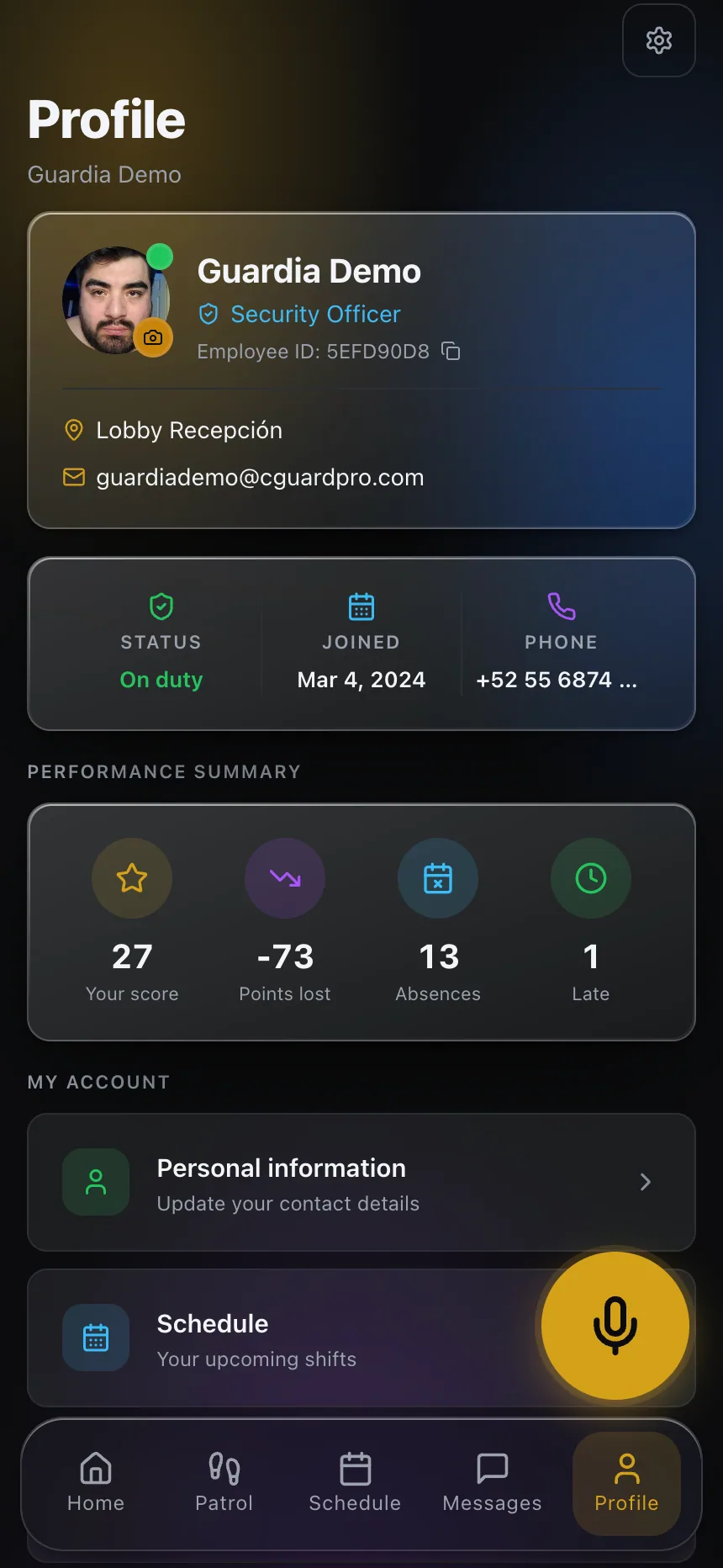
The operational answer is less about the law and more about not losing track of who’s licensed for what. A company running crews across state lines needs a clean, current record of which officer holds which credential in which state, checked before someone gets scheduled onto a post that requires a license they don’t currently hold there. That’s an officer profile problem as much as a legal one — the credential has to be visible to whoever builds the schedule, not filed away and trusted to memory.
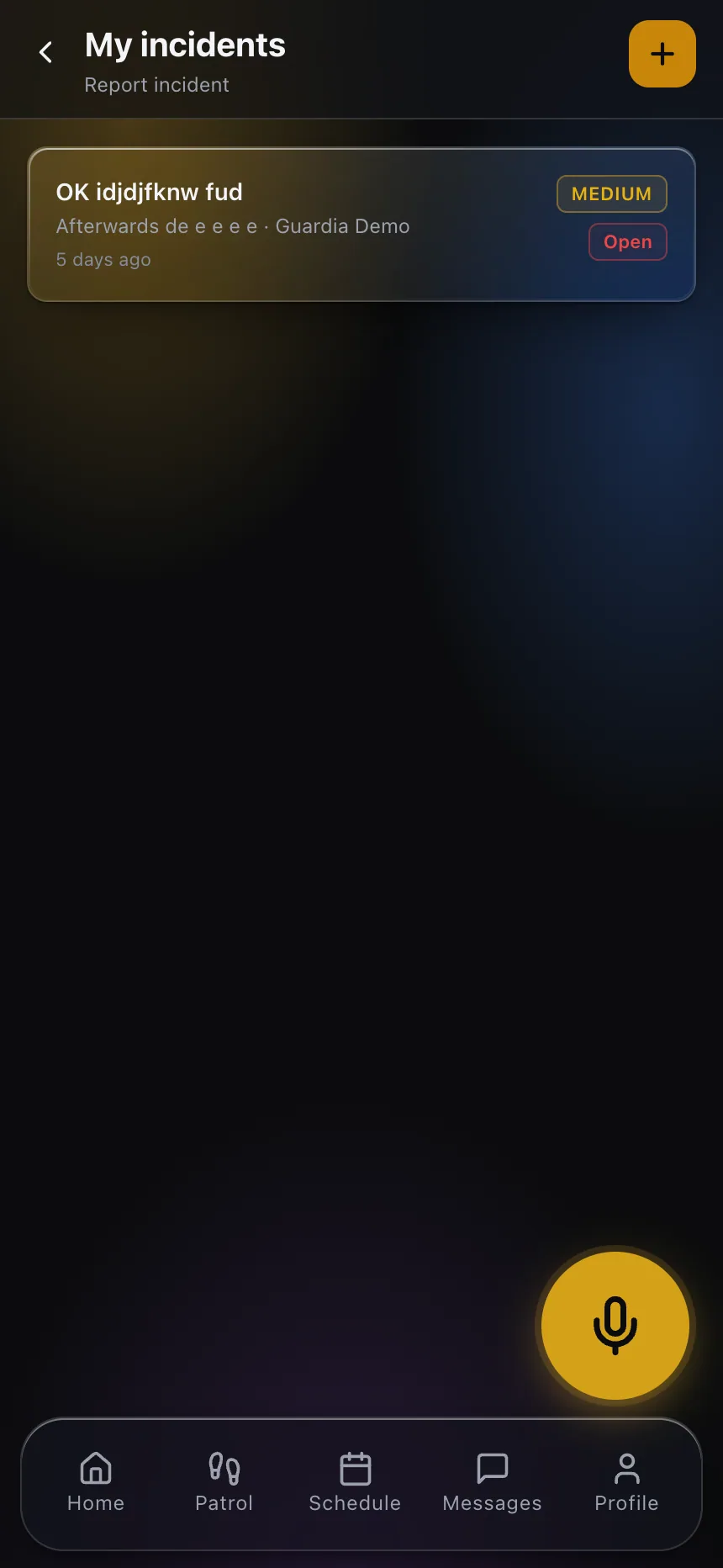
It’s also worth building the check into how incidents get documented. If an officer working across a state line is ever party to an incident report, the file should be able to show, without a scramble, that the officer was properly licensed for that jurisdiction on that date. That’s a record you want to already have, not one you want to be assembling under pressure from a client’s attorney.
The bottom line on security guard license reciprocity between states
Assume no transfer, confirm partial credit and background-check portability directly with the destination state, and never staff a new state off a summary you can’t source back to that state’s own regulator. None of this is legal advice — the specifics vary by state, change over time, and deserve a call to the actual regulator and to counsel before you commit a contract to it.
The companies that handle this well tend to build a standing habit out of it rather than treating each new state as a one-off scramble: a short internal reference, kept current and reviewed before every new contract outside the home state, listing which regulator to call, what the last confirmed timeline looked like, and who on the team owns the follow-up. It won’t replace the actual verification step — nothing should — but it keeps the company from relearning the same lesson every time a client wants coverage somewhere new.
If you want a cleaner way to track licensing status across officers and states, explore CGuardPro or get in touch.