The demo goes great. The sales rep clicks through a clean dashboard, shows off a reporting module, points out an integration nobody on the buying team will ever touch, and the owner signs off convinced this is the app that finally fixes field communication. Three months later, half the roster still calls in their rounds because logging into the app takes too long in the cold, and the other half filed exactly one incident report through it before going back to a text message to their supervisor. The software wasn’t broken. Guard app ease of use for officers was never actually tested — it just wasn’t built around the person who has to open it forty times a shift with a flashlight in one hand.
This is the gap that decides whether a guard app actually gets used or just gets purchased: guard app ease of use for officers is not the same evaluation as guard app ease of use for the manager running the demo, and companies that only test the second one are gambling on adoption they haven’t actually verified.
Who’s Actually Using This Thing, and Under What Conditions
The buyer evaluating guard software is almost always sitting somewhere comfortable, looking at a screen on good lighting and a stable connection, with time to explore menus and click around at their own pace. The officer using the app is often standing outside at 3 a.m., wearing gloves or hands numb from the cold, on a phone screen with reduced touch sensitivity, sometimes on a spotty connection at the edge of a property, and under time pressure because a supervisor is expecting a scan or a check-in on schedule. Those are two completely different usability tests, and a product that passes the first one easily can fail the second one badly.
The practical fix is refusing to evaluate the app only in a conference room. Hand a phone to an actual officer — ideally someone who didn’t help pick the software and has no stake in defending the decision — and watch them try to log in, clock in at a site, and file a basic report without instructions. If they hesitate, get confused, or ask what a button does, that’s the real usability score, not whatever the sales deck claims about the interface.
The Three Screens That Get Used Every Shift
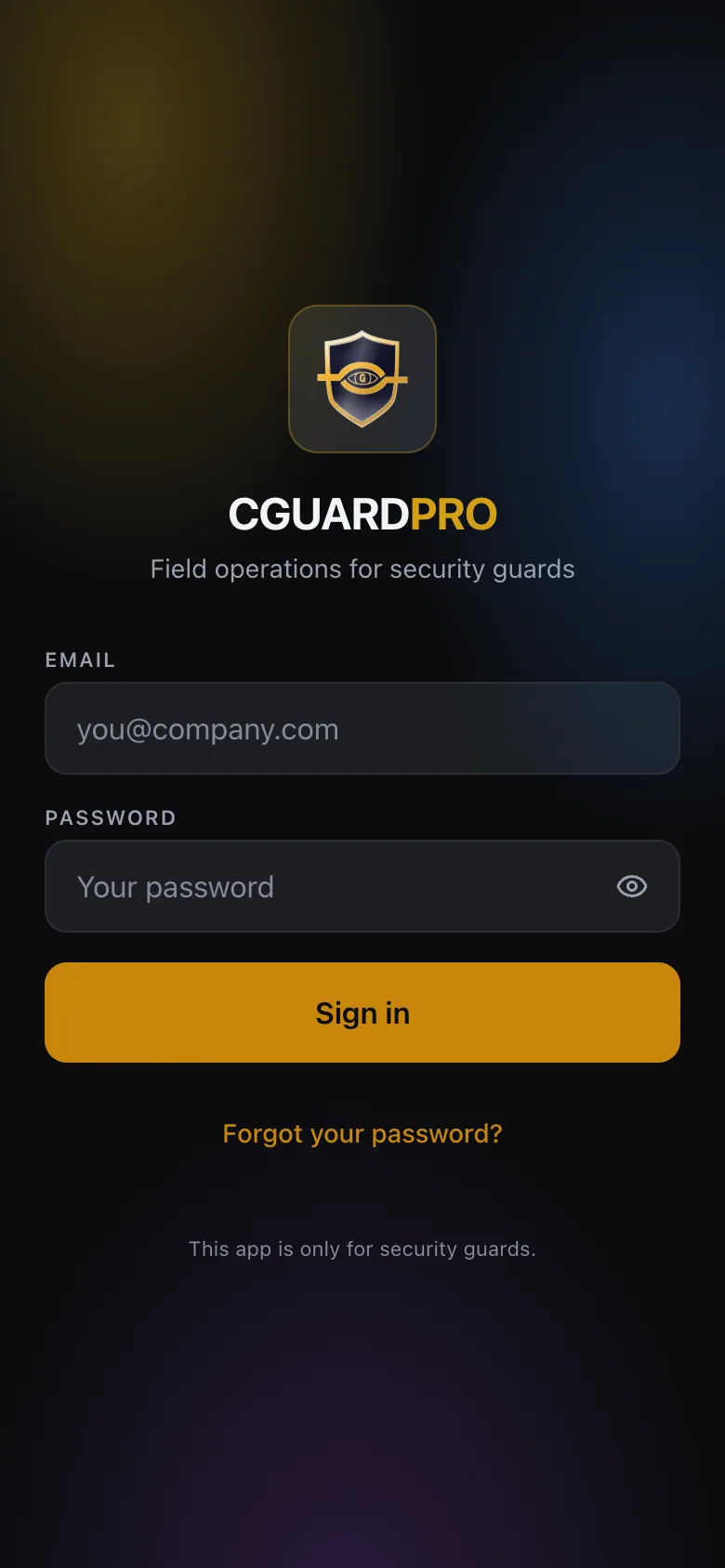
Most guard apps have far more features than any individual officer touches on a normal day, and evaluating all of them equally is a mistake, because adoption lives or dies on a small handful of screens an officer opens constantly. Login and geofenced clock-in happen at the start of every shift, often in the worst conditions of the day — cold hands, low light, sometimes rain. If that flow takes more than a few taps or requires remembering something beyond a simple credential, officers start finding workarounds, and a workaround for the clock-in step usually means inaccurate time records, which becomes a payroll and billing headache long before it becomes a software complaint.
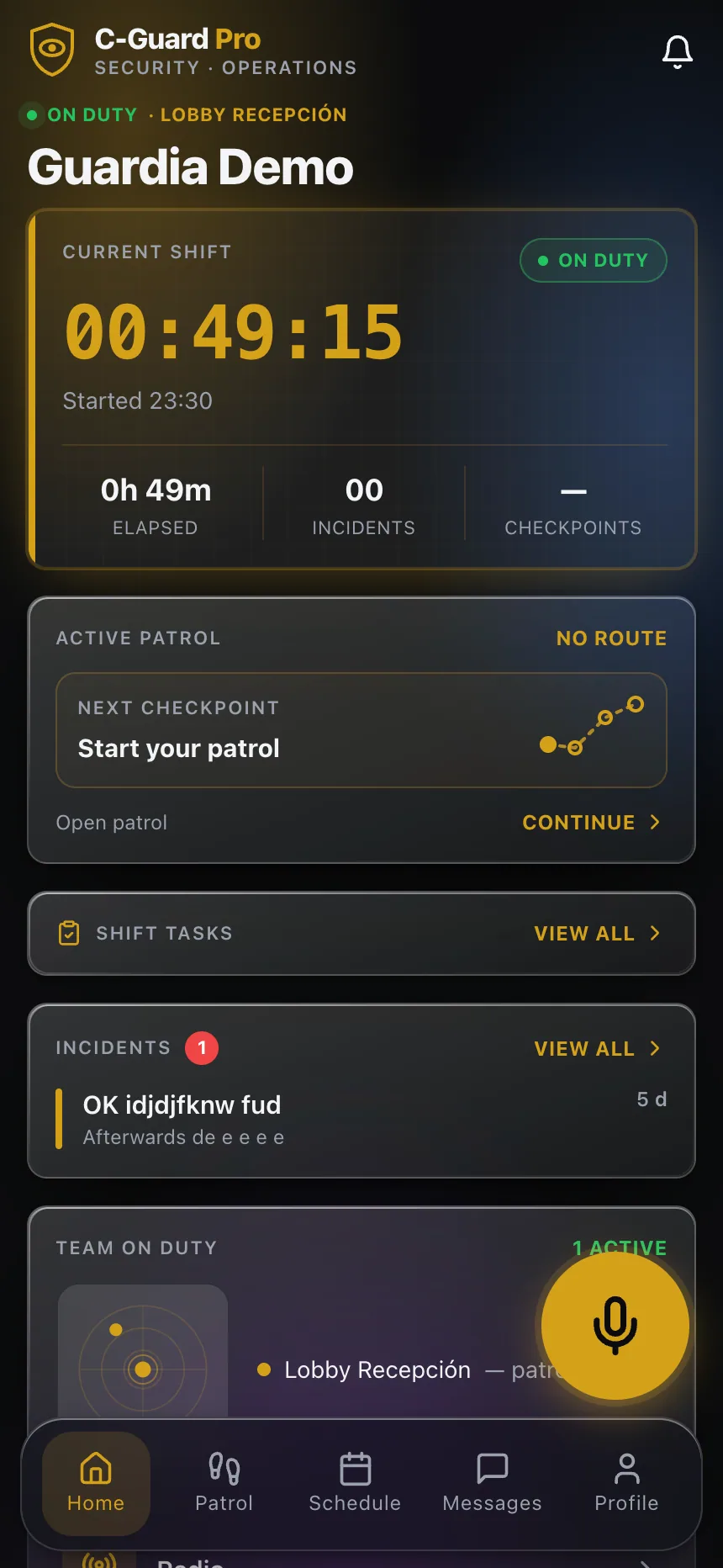
The checkpoint scan or tour screen is the second one that matters most, because it’s the action an officer repeats the most times across a shift, and any friction there compounds fast — a scan that takes ten extra seconds isn’t a big deal once, but it’s a real drag on morale done dozens of times a night. The third is whatever screen handles reporting something out of the ordinary, because that’s the moment an officer is already dealing with something stressful, and an app that adds cognitive load right then — too many required fields, an unclear photo-attachment flow — is an app that gets bypassed in favor of a phone call, which means the incident never makes it into the record the way it should.
Guard App Ease of Use for Officers Beats a Longer Features List
A pattern that plays out constantly in this industry: a feature-rich platform loses adoption to a plainer one because the plainer one is faster to use for the handful of things officers actually do every shift. This isn’t officers being resistant to technology — most people who’ve worked security for any length of time have no trouble with a phone. It’s that a slow, cluttered login screen or a checkpoint flow buried under three menus creates friction at exactly the moments an officer has the least patience for it, and friction at those moments gets routed around rather than tolerated.
The manager evaluating software rarely feels this friction directly, because they’re not the one opening the app in the field every night. That’s exactly why the evaluation needs to be handed to actual officers before a decision gets made, not after. A guard app that officers actually open without being told to is worth more operationally than one with a longer features list that nobody uses past the first week.
What Poor Adoption Actually Costs
When officers route around the app, the company doesn’t just lose the convenience the software was supposed to provide — it loses the actual value it was purchased for. Clock-in data that officers work around becomes unreliable attendance and payroll data. A checkpoint system officers avoid becomes a tour log with gaps a client will eventually notice and question. An incident-reporting flow officers skip in favor of a phone call means reports arrive late, incomplete, or not at all, right when a client is asking for documentation of something that happened on their property.
None of this shows up immediately as a software failure. It shows up gradually, as a field supervisor spending more time chasing down verbal reports and manually reconstructing what happened on a shift, and as an account manager fielding a client question they can’t answer cleanly because the record that should exist doesn’t. By the time leadership notices, the company has usually been paying for a tool that a meaningful share of the workforce never actually adopted.
Testing It the Right Way Before You Buy
The evaluation that actually predicts adoption is simple to run and rarely gets done: put the candidate app in front of three or four working officers, on their own phones if possible, and watch them attempt the core flows without a walkthrough. Time how long login and clock-in take. Watch whether the checkpoint scan is intuitive or requires explanation. See whether filing a basic incident report feels natural or like filling out a form nobody wanted to build. That fifteen-minute test tells a company more about real-world adoption than an hour-long vendor demo ever will, because it puts the software in front of the person whose daily habits actually determine whether it gets used.
If you want to put your own guard app in front of your officers, explore CGuardPro’s guard app or get in touch.