Q: The vendor gave me three reference names. Isn’t that enough?
No — and not because those references are lying. It’s because a vendor picks references the same way anyone picks who speaks at their wedding: they choose the people who will say something good. A vendor-supplied reference has almost no chance of surfacing a real problem, and if you only call the names on the list, you’ve learned that the vendor has at least three satisfied customers, which tells you very little about how the company handles the accounts that didn’t stay satisfied. Knowing how to reference check a security software vendor starts with accepting that the provided list is marketing material, not due diligence.
Q: If I’m learning how to reference check a security software vendor, what should I actually ask for?
Ask the vendor directly for a customer who canceled and came back, or a customer who’s been through a real support problem — an outage during a shift, a data issue, a migration that didn’t go smoothly. A vendor that’s confident in their product and their support team will often have exactly this kind of customer and will connect you, because a churned-and-returned customer is actually a stronger reference than a happy-path one: something went wrong badly enough to leave, and something got fixed well enough to come back. That’s a more honest signal than a customer who’s simply never had a reason to be unhappy yet.
If the vendor can’t or won’t produce anyone like that, that’s information too — either it doesn’t exist because the product genuinely hasn’t had rough patches with any customer at their current stage of growth, which is possible but worth testing skeptically, or it exists and they’d rather you not hear about it.
Q: What do I actually ask the reference once I have them on the phone?
Skip “are you happy with it” — everyone says yes to that question out of politeness alone. Ask instead about a specific moment: what happened the last time something broke during a live shift, how long it took to reach a real person, and what that person could actually do versus what got escalated and sat unresolved for days. Ask what the onboarding process actually looked like, including anything that took longer or was more painful than the sales conversation implied. Ask whether the account manager they were promised during the sales process is the same person still handling their account today, because turnover on the vendor’s side is a leading indicator of how a growing company treats existing accounts once the contract is signed.
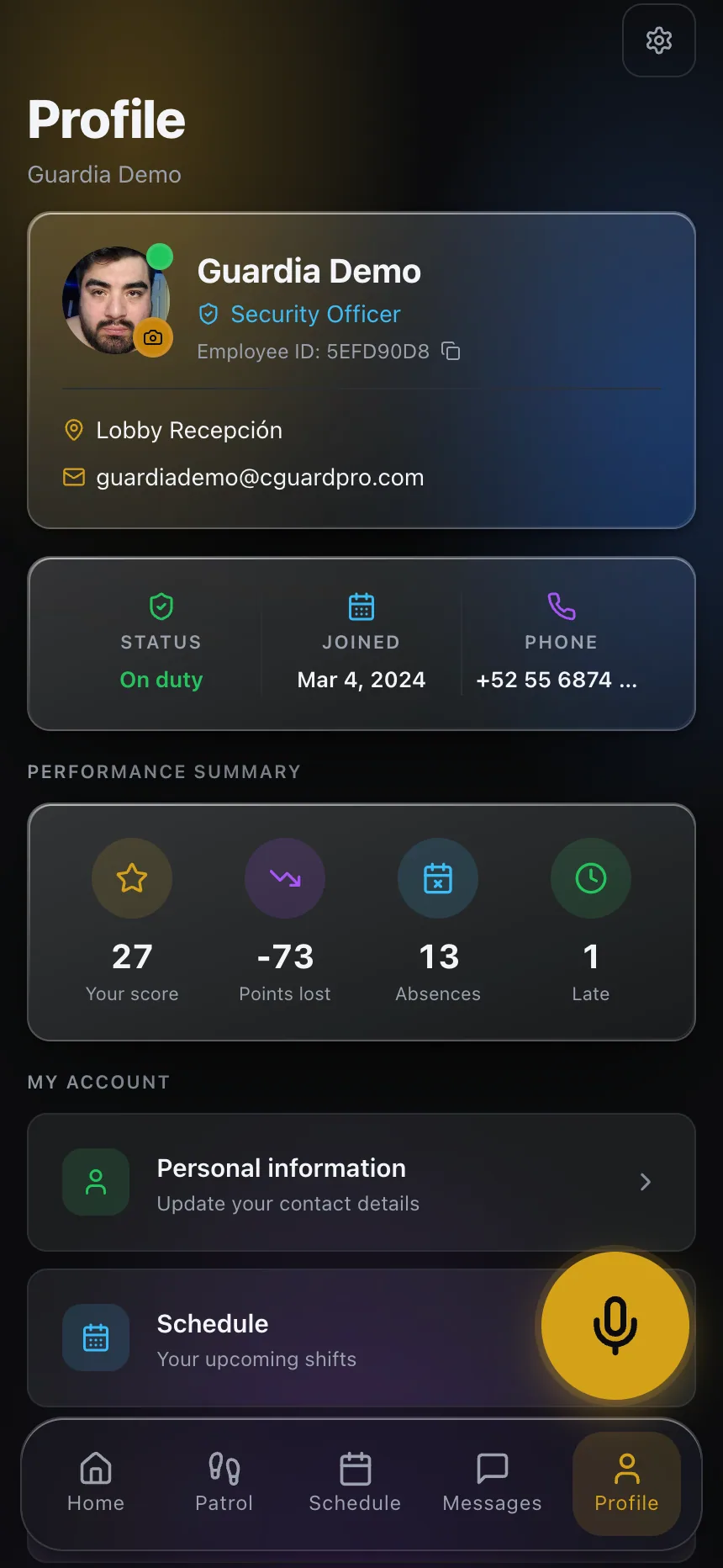
Q: How does a churned-and-returned customer actually answer the question I care about?
Because they’ve seen both sides. They can tell you specifically what drove them away — a missing feature, a support response that was too slow, a price change, a bug that never got fixed — and specifically what changed enough to bring them back. That’s a much more useful answer than “everything’s been great,” because it tells you exactly where this vendor’s weak points have historically been and whether the vendor actually addressed them or just waited for the customer’s frustration to fade. If the reason they left was something structural — the product fundamentally couldn’t do what their operation needed — and they came back anyway, that’s worth understanding in detail before you sign, since it might be the same gap your operation would hit.
Q: What about asking to see the vendor’s support history for real accounts?
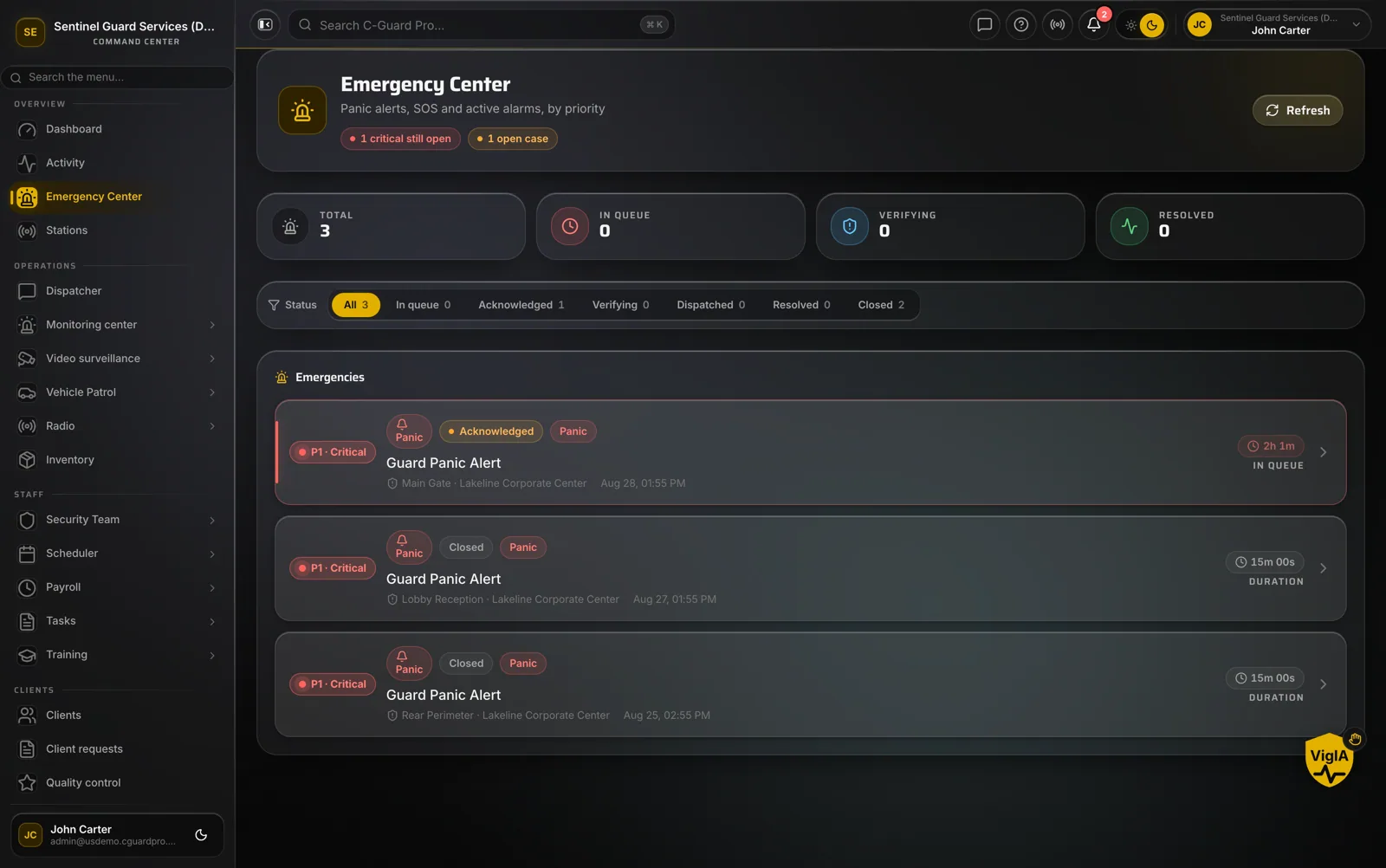
A vendor confident in how they handle problems will sometimes show a prospective customer an anonymized view of how incidents and support tickets get tracked and resolved for existing accounts — not to prove nothing ever goes wrong, but to show that when something does, there’s a real record of it being handled rather than a black box. If your own operation runs on a dispatch view where issues are logged, tracked, and closed out, you already know why that visibility matters — you’d want the same thing from a vendor you’re trusting with your own operational data.
Q: Should I ask a reference about switching costs, not just satisfaction?
Yes, and this is the question most buyers forget to ask entirely. A reference who’s genuinely happy today may still describe a migration that took longer than expected, historical data that didn’t transfer cleanly from a previous system, or an adjustment period where officers resisted a new app until they got used to it. None of that means the vendor is bad — every switch has friction — but it tells you what to actually plan for on your own timeline instead of assuming a new system goes live the moment the contract is signed. A reference who glosses over this entirely, insisting the switch was completely seamless with zero adjustment, is either being generous with the truth or genuinely had an unusually smooth rollout worth understanding in detail so you can try to replicate whatever they did differently.
Q: What if the reference is someone the vendor clearly picked carefully?
Ask the reference directly whether the vendor asked them to speak with you, and if so, whether they were given any guidance on what to say. Most references will answer this honestly, and a reference who admits “yes, they asked me to keep it positive” while still being willing to share real detail is often more useful than one who pretends the call is entirely unprompted. The goal isn’t to catch the vendor doing something dishonest — coordinating references is completely normal — it’s to calibrate how much weight to put on any single glowing statement versus the specific, checkable details underneath it.
Q: Is any of this a substitute for a real trial?
No. Reference checks tell you how the vendor behaves under stress with someone else’s account; a trial tells you how the product actually fits your own operation, your own accounts, and your own officers’ willingness to use it in the field. Use the reference calls to decide whether the vendor is worth trialing at all — a company that can’t produce a single honest reference, or whose only references sound rehearsed, has told you something worth weighing before you spend the time on a pilot. Our guide to evaluating guard management software covers what to look at once you get to that stage.
If you’d rather talk to a real account than take a sales page’s word for it, get in touch and ask us who’s been through a rough patch and stayed.