Pull the post orders binder at almost any client site and check the revision date. In a lot of accounts it’s the day the contract started, sometimes years back. Ask the account manager “how often should post orders be reviewed and updated” and you’ll usually get a shrug, or a policy nobody has actually followed since the account was new. Everything since then — a new loading dock procedure, a tenant who moved out, a badge system that got replaced, an incident that exposed a gap in the response steps — lives in the heads of whichever officers have been there long enough to remember it, and nowhere else. The document that’s supposed to be the single source of truth is quietly out of date, and nobody decided that on purpose.
The instinct is to fix this with a bigger, better-written document. That’s the wrong lever. A more thorough post order set written once still goes stale the same way. The fix is a standing trigger for review — a rule that says “these specific events force an update,” rather than a hope that someone remembers to check.
Why “review it annually” doesn’t work
A calendar-based review cadence sounds disciplined on paper. In practice it fails for a boring reason: whoever owns that task has forty other things due the same week, and a post order review with no urgent driver behind it is the easiest item to push. It gets pushed enough times that the annual review becomes an eighteen-month review, then stops happening at all once the person who set it up moves to a different account.
There’s also a subtler problem. An annual review catches almost nothing, because most of what makes post orders wrong doesn’t arrive on a schedule — it arrives the day the property manager changes, the day a delivery vendor gets added to the approved list, or the day an officer improvises a response to something the document never covered. By the time the annual review rolls around, the gap has often already caused a problem on shift.
How often should post orders be reviewed and updated
The honest answer is: whenever one of a short list of events happens, not on a fixed interval. Build the list once, post it where supervisors and account managers see it, and treat it like any other operational checklist.
The events worth tying a mandatory review to:
- A change in point of contact on the client side. New property manager, new facilities director, new HOA board — assume the old post orders reflect the old person’s preferences and verify every one of them, not just the obviously outdated lines.
- Any incident that involved the response steps. If an officer had to improvise because the post orders didn’t cover the situation, that gap gets closed before the next shift, not at the next scheduled review.
- A change to the physical site. New entrance, closed stairwell, relocated loading dock, added or removed cameras, a tenant that moved in or out. Access-control language is the part that ages fastest and causes the most confusion when it’s wrong.
- A contract renewal or scope change. Renewal conversations are also the moment to confirm the post orders still match what’s actually being billed and delivered — added coverage, changed hours, and revised emergency contacts all belong here.
- Officer feedback that a section is unclear or contradicts what’s actually expected. This one gets skipped the most, because it depends on someone in the field speaking up and someone in the office listening. It’s worth asking directly during supervisor check-ins rather than waiting for it to surface on its own.
Making review actually happen instead of just existing on paper
A trigger list only works if someone owns closing the loop when a trigger fires. In most operations that’s the account manager or field supervisor for that site, not a corporate policy owner three layers removed from the property. They’re the ones who hear about the new property manager first and the ones an officer will mention a gap to during a pre-shift briefing or a routine site walk.
The mechanics matter here. If the update process means editing a document, re-printing it, and physically swapping the binder at the guard shack, updates get delayed simply because that’s a real errand with real friction. Posting orders inside post orders software that officers already check during their shift removes that excuse — a supervisor edits the relevant section from wherever they are, and the version every officer sees on the next shift is current without anyone driving out to swap paper.
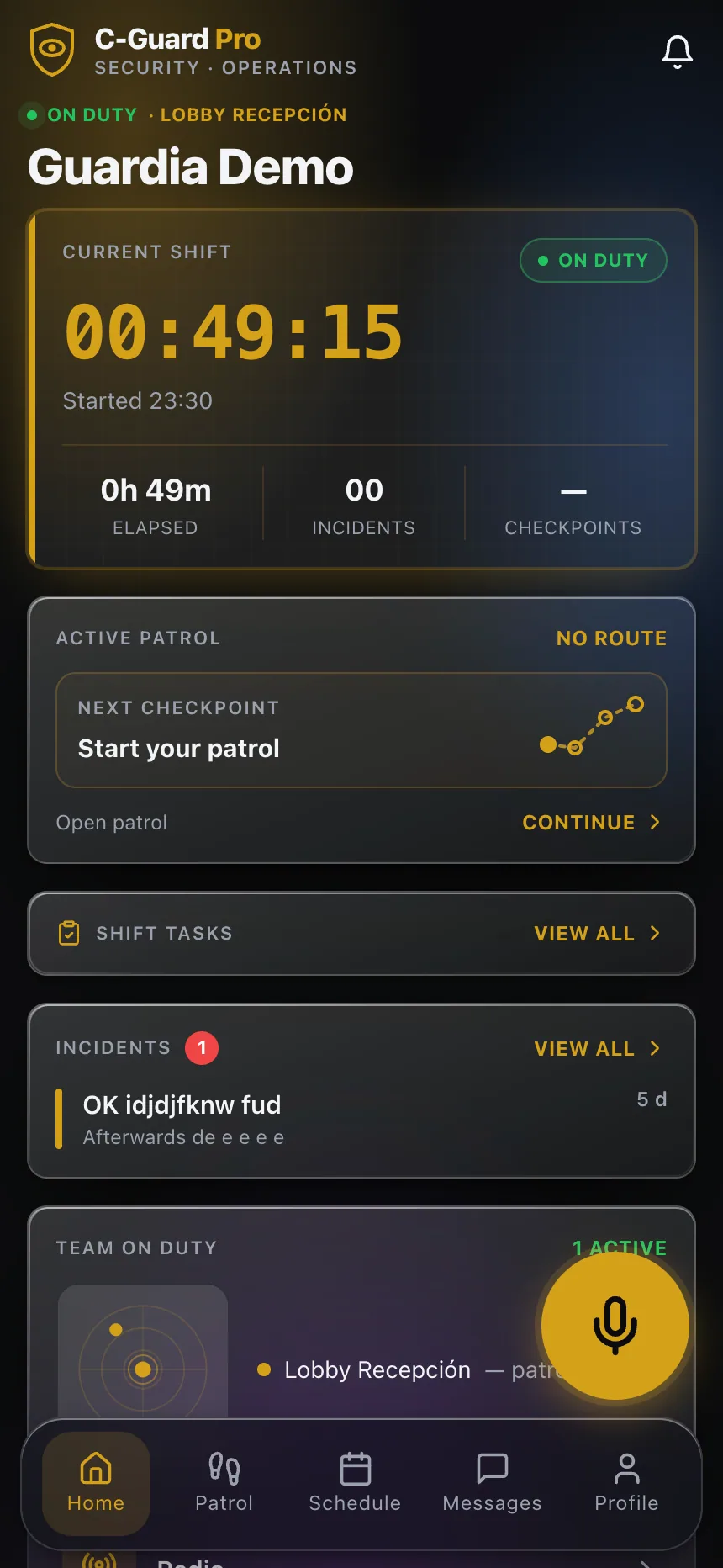
It also solves a second, less obvious problem: knowing whether officers actually read the update. A revised binder page doesn’t tell you who opened it. A digital post order tied to a task an officer has to acknowledge at the start of a shift gives you that confirmation, which matters more than it sounds like it should — the value of a corrected post order is zero if half the crew is still working from the version in their head.
What good version control looks like without overbuilding it
You don’t need a formal change-management process for this. You need three things: a dated revision note at the top of each site’s post orders so anyone can see at a glance when it last changed and why, a short list of who’s authorized to make edits so the document doesn’t drift because five different people are quietly rewriting different sections, and a way to confirm officers have seen the current version rather than assuming it. Tracking that acknowledgment alongside routine daily activity reports keeps it in the same place supervisors already look, instead of adding a separate system nobody checks.
The mistake to avoid is treating a review as a rewrite. Most triggers only require touching one section — the access list, the emergency contact, the response step for a specific alarm. Rewriting the whole document every time a small thing changes is what makes people dread the process and start skipping it again.
Assign tasks, not intentions
“Keep post orders current” is not a task — it’s an intention, and intentions don’t survive a busy week. What survives is a specific person tied to a specific trigger with a specific action: when the client contact changes, the account manager updates the emergency contact section within the week; when an incident exposes a gap, the field supervisor closes it before the next shift starts. Put that ownership in writing the same way you’d put any other recurring responsibility in writing, and check it the same way you’d check any other task assigned to a supervisor.
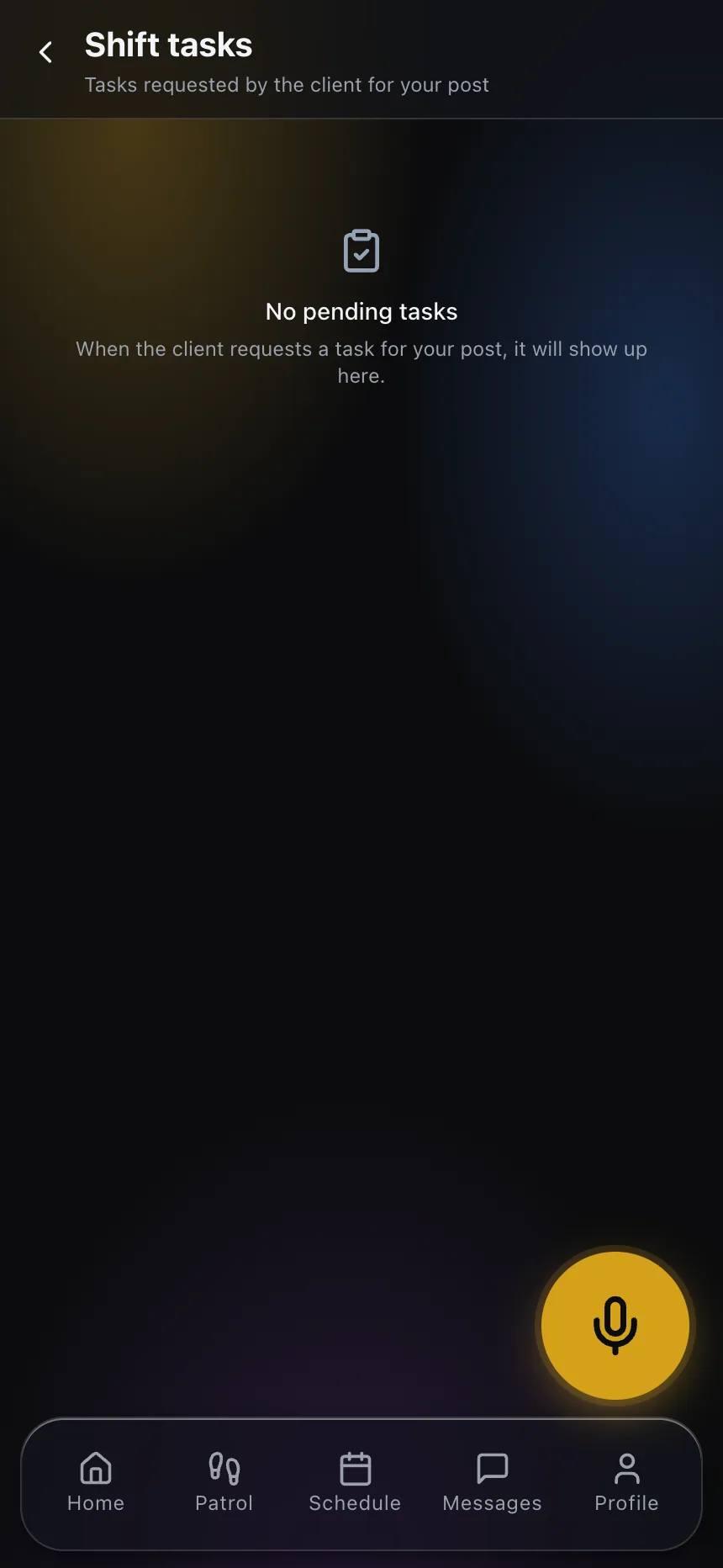
Post orders that only get touched once, at contract signing, are a liability disguised as a completed project. Treat them as a living document with clear triggers for revision, and the binder — or the screen that replaced it — stays worth trusting the next time an officer actually needs it at 3 a.m.
If you want to see how post order updates and officer acknowledgment work together in practice, explore CGuardPro or get in touch.