Two officers call out for the same overnight shift, on the same night, at two different sites. It happens more often than owners like to admit, and when it does, the scheduler is the one standing at 3 a.m. with a phone in each hand, trying to figure out who can double, who’s already over their hours, and which client is about to notice an empty post. If you’ve run a guard force for more than a year, you’ve lived this exact call, and it always comes back to the same question: relief pool sizing security guard company operators tend to answer with a guess. How many floaters should we actually be carrying?
Most companies answer it with a rule of thumb someone heard at a trade show — one floater for every ten posts, one for every fifteen officers, whatever number felt safe last time. The trouble is that a flat ratio treats every operation like it’s the same shape, and guard operations are not the same shape. A company running twenty 24/7 posts with tight, senior crews has a completely different callout profile than one running eighty part-time event shifts with high turnover. Sizing off a borrowed ratio means one of two outcomes: you’re carrying idle relief officers on the payroll most weeks, or you’re short every time attendance has a bad week.
The Flat-Ratio Habit, and Why It Breaks
The appeal of a flat ratio is obvious — it’s fast, and it gives an owner something to say in a client meeting when asked how coverage gaps get handled. But a ratio applied uniformly ignores the two variables that actually drive relief demand: how many posts need continuous coverage, and how often absences land close enough together that one floater can’t cover both.
A single 8-hour, five-day-a-week post barely needs relief capacity at all — an occasional sick day, a rare no-show, nothing structural. A post that runs 24/7 is a different animal entirely. It needs coverage through nights, weekends, holidays, and every officer’s vacation, and once you add up relief for that alone, the post is effectively staffed by more than one person’s worth of shifts even before anyone calls out. Treat a mixed portfolio of both post types the same way and the ratio is wrong for both.
Relief Pool Sizing Security Guard Company Owners Can Actually Trust Starts With Post Count
Relief pool sizing for a security guard company should start from a simple question: how many hours of continuous, uninterrupted coverage do you actually have on the books, not how many officers are on the roster. Count the posts that never go dark — hospitals, gated communities, distribution centers running three shifts — separately from the posts that run standard business hours. The 24/7 posts are where relief pressure concentrates, because there’s no slack window where a short-staffed day just quietly resolves itself overnight.
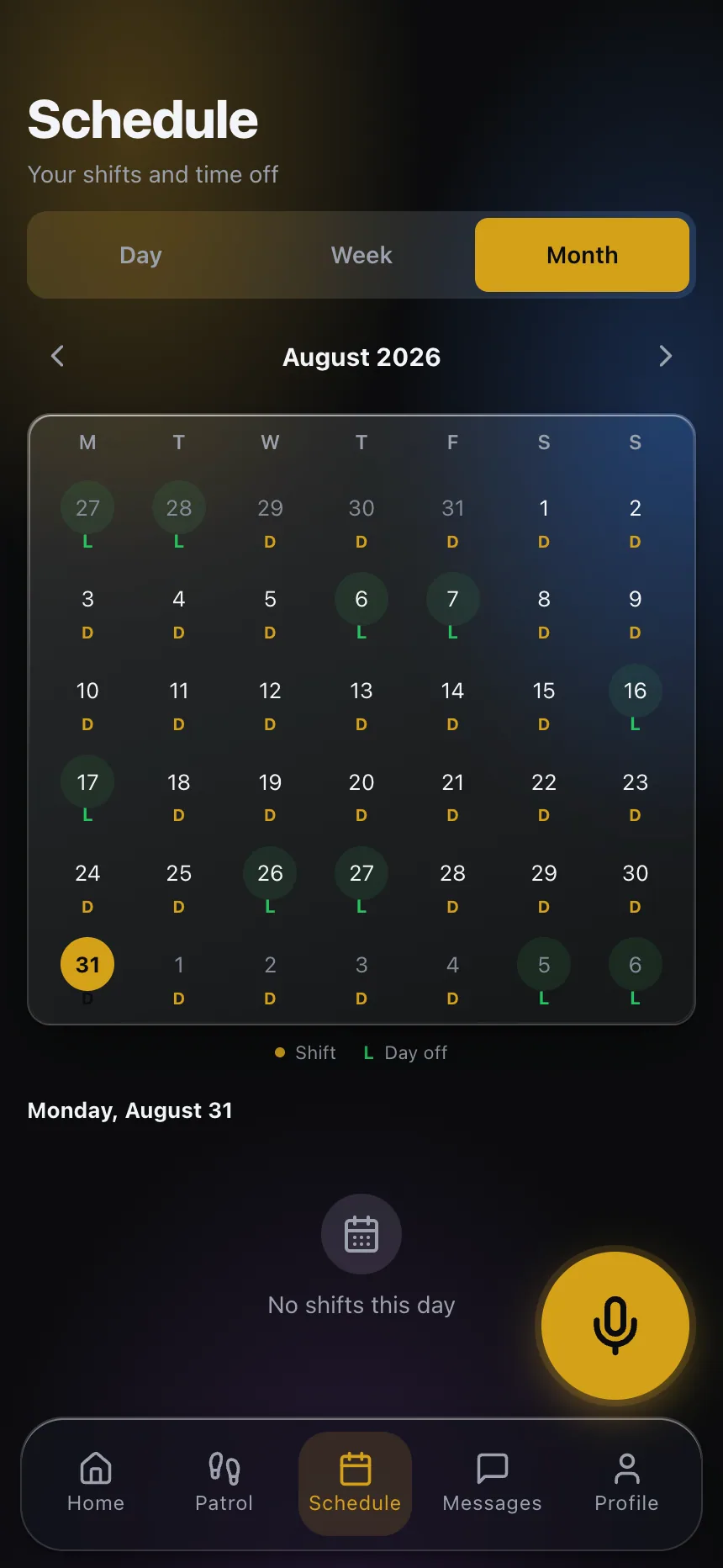
From there, look at how officers actually get scheduled against those posts. A crew built on 12-hour rotations, a Panama (2-2-3) pattern, or DuPont has different relief math than a crew on straight 8s, because the shift length and the days-off pattern change how many bodies you need in steady state before you even think about absences.
How Callouts Actually Cluster
This is the part the flat ratio completely misses: callouts are not evenly distributed across the calendar. They cluster — around flu season, around a holiday weekend when everyone wants the same day off, around a single site that’s developed a morale problem and is bleeding attrition faster than the rest of the portfolio. A relief pool sized for the “average” day looks generous on paper and still runs out the one week that actually matters, because that week has three call-outs instead of the one the average predicted.
The practical fix is not a bigger flat number — it’s watching your own pattern instead of an industry rule of thumb. Pull your actual attendance history by site and by month. If you see certain sites or certain seasons consistently produce more no-shows and late call-outs, that’s where relief capacity needs to sit, not spread evenly across the whole portfolio. A company that has this visibility can put its floaters where the risk actually concentrates instead of guessing.
Building the Number From Your Own Data, Not a Rule of Thumb
A workable process looks like this: start with your 24/7 and high-risk posts, since that’s where relief actually gets used. Look back at how many simultaneous absences you’ve had to cover in a given week over a meaningful stretch of time — not just the worst week you remember, but the pattern across several months. Size the pool to comfortably absorb the clustering you’ve actually seen, with a bit of headroom for growth, rather than the theoretical single call-out the flat ratio assumes.
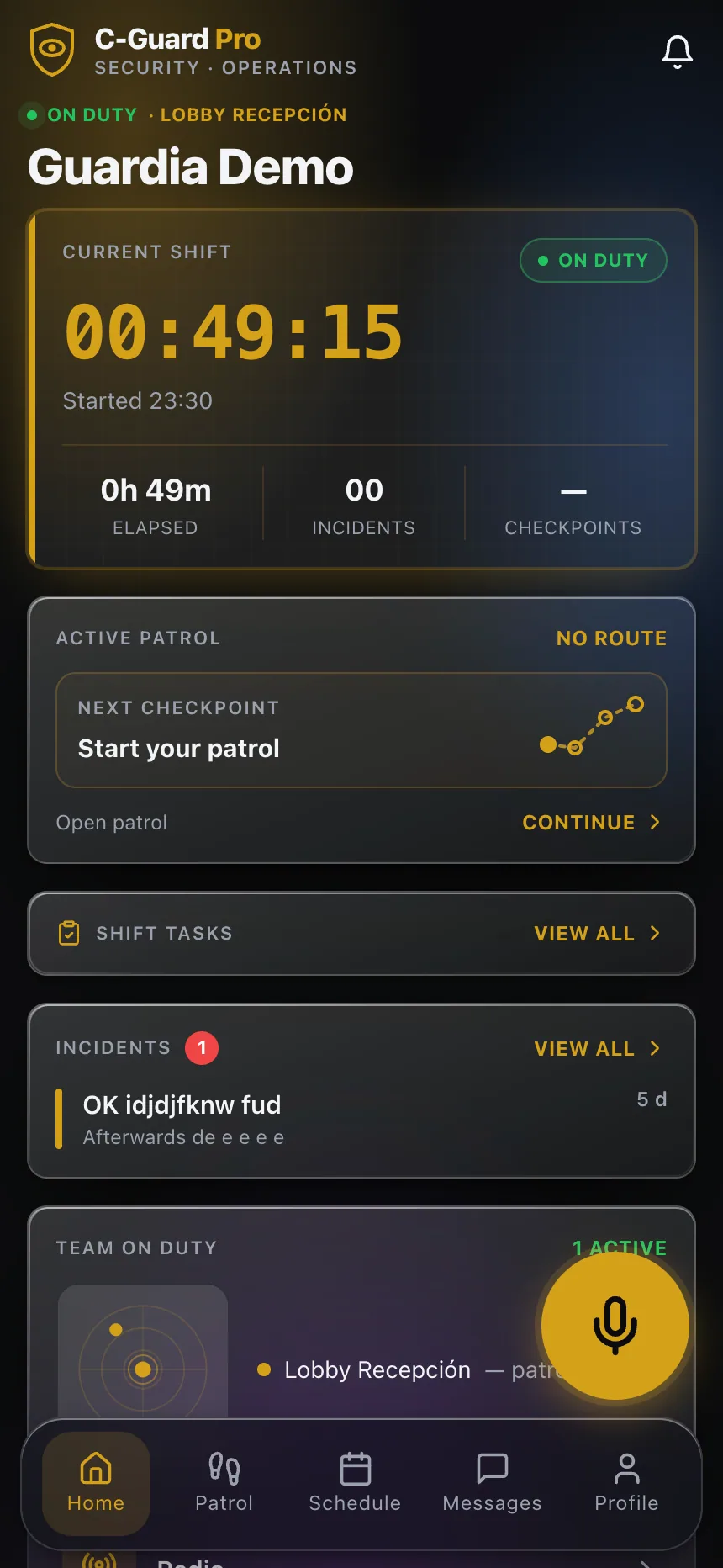
This is also where scheduling data pays for itself. If your guard scheduling software shows you open shifts, last-minute swaps, and attendance patterns in one place, sizing the floater pool stops being a guess and becomes an exercise in reading your own history. Pair that with clean time and attendance records and you can see exactly which sites are driving the relief burden instead of assuming it’s spread evenly.
What Getting This Wrong Actually Costs
Undersizing the pool doesn’t show up as a line item — it shows up as a supervisor working a double shift they weren’t scheduled for, a client getting a call that their post ran short-handed overnight, and an account manager spending the next morning smoothing things over instead of growing the account. Oversizing shows up more quietly, as idle relief hours that never get billed and slowly erode the margin on every contract they touch. Neither failure is dramatic on its own, but both compound every month you leave the pool sized off a guess instead of your own numbers.
If you’re also thinking through what a given post should cost to staff once relief is built in, a bill rate calculator is a useful gut check before you price a new contract — relief capacity belongs in that number from day one, not as a surprise once the contract is already running.
Floater pool sizing is one of those decisions that looks like a scheduling detail but is actually a coverage-risk decision with a dollar figure attached in both directions. Getting it right means watching your own attendance data instead of borrowing someone else’s ratio.
If you want to see how this works in your own operation, explore the CGuardPro guard app or get in touch.