Security guard software
for ports and marine terminals
A marine terminal runs on a facility security plan, and the guards are the part of the plan people can see: the truck gate, the escort for a driver without a TWIC, the patrol along the berth, the officer at the gangway when a vessel is alongside. CGuardPro keeps those duties on record — who came in, who escorted them, which part of the waterfront was walked and when — so the Facility Security Officer can answer questions with data. Trusted by 600+ security companies worldwide.
Real product screenshots
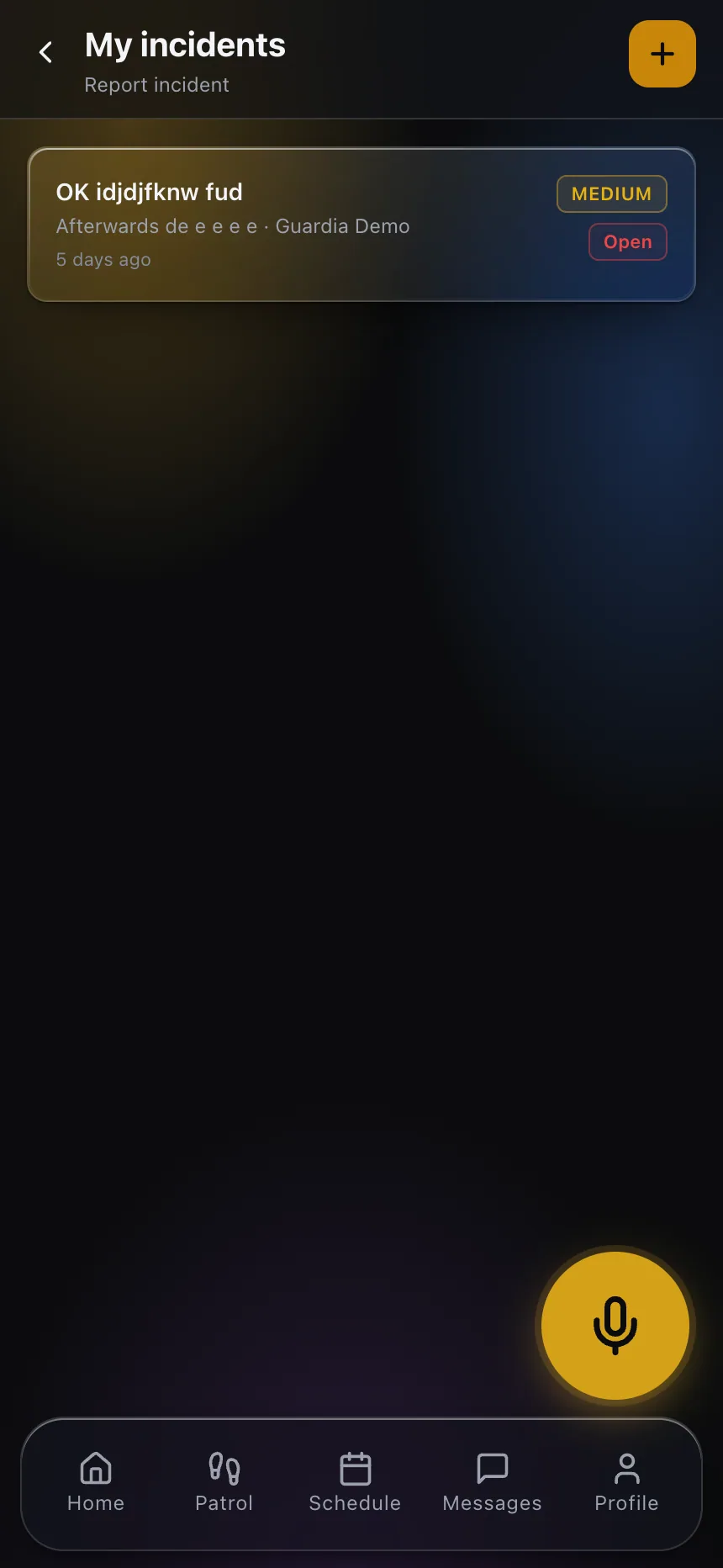
Short answer
Port and maritime security guard software has to support a facility security plan: controlled gates, escorted visitors, patrols of the waterfront and records that survive a Coast Guard visit. CGuardPro logs trucks and visitors with the plate read from a photo and the person who authorized or escorted them, verifies QR or NFC patrol scans with time and position, keeps post orders per post, and raises alerts on missed tours. It does not read TWIC cards or certify MTSA compliance.
At a glance
- Typical posts
- Truck gate, pedestrian gate, gangway / vessel interface, waterfront and container-yard patrol
- Federal framework
- MTSA facility security plans under 33 CFR Part 105; TWIC for unescorted access to secure areas
- Key records
- Vehicle and visitor log with escort, verified patrols, incident reports, pass-down
- Alerts
- Missed tours, uncovered posts, geofence exits, officer panic button
- Not included
- No TWIC card reading; no compliance certification
Where port contracts get uncomfortable
Escorts that leave no trace
A visitor without a TWIC needs an escort inside secure areas. If the log only says the visitor came in, nobody can show who escorted them, for how long, or when they left.
A big, open perimeter
Berths, container stacks, fence lines along the water and empty warehouses. Patrols that skip the far end of the yard look the same on paper as patrols that walked it.
Security levels change the instructions
When the MARSEC level rises, gate procedures and patrol frequency change. Officers on the next shift need the new instructions on the post, not a memo taped to a booth.
How a terminal runs on CGuardPro
Gate logs with the escort on them
Each entry records the person, company, who authorized them, the vehicle and its plate (read from a photo) and the exit time. The authorizing or escorting officer is part of the record, so the log answers the escort question.
Verified waterfront patrols
QR codes or NFC tags at berths, fence corners, warehouse doors and the yard. Every scan is checked server-side with time and position; a checkpoint can require a photo of a seal, a gate or a fence section.
Post orders that match the plan
Instructions are written per post. Keep the procedures for each MARSEC level in the post orders and point officers to the right section; relief officers open the same orders at clock-in.
The FSO reads the service
The Facility Security Officer or terminal manager gets a client portal limited to their site, with patrols completed, daily activity reports and incidents with photos.
What the terminal gets
- Vehicle and visitor log with plate, authorizing officer and exit time
- Verified patrols of berths, yards and fence lines
- Post orders per post, including procedures for each MARSEC level
- Shift pass-down so the next shift knows about vessels and open issues
- Push-to-talk radio and panic button on officers' phones
- Exportable history the facility can show when asked
Frequently asked questions
What federal rules shape port security guarding? +
Facilities regulated under the Maritime Transportation Security Act operate under a facility security plan approved by the U.S. Coast Guard (33 CFR Part 105), with measures that scale by MARSEC level. Workers who need unescorted access to secure areas of those facilities need a Transportation Worker Identification Credential (TWIC), issued by TSA. People without one must be escorted. CGuardPro supports the guarding work but does not certify compliance with any of this.
Does CGuardPro read TWIC cards? +
No. CGuardPro is not a TWIC reader. Officers verify credentials according to the facility security plan, and the visitor log records who came in, who authorized or escorted them and when they left.
Can we log trucks at the gate? +
Yes. The officer photographs the plate and the phone reads it, then records driver, company and authorization with entry and exit times. Plates on the post's banned list raise an alert.
Will the app work along the waterfront and inside steel warehouses? +
Mostly. Incidents, visitor entries and tour start and end queue on the phone and upload when coverage returns. A checkpoint scanned offline is stamped by the server when it arrives. Clock-in needs a live connection.
How much does it cost? +
USD 5 per user per month (anyone with a login), one plan with every feature, plus a one-time implementation of USD 299.99, with a 7-day free trial.
Set up a terminal gate with us
Book a demo and we build a truck gate, an escorted visitor and a waterfront patrol together, then show what the Facility Security Officer would read.