Most clients stay with a failing security provider far too long, and it’s rarely because the service is good. It’s because switching feels risky and the problems creep up slowly. Knowing when to change security guard company shouldn’t come down to a gut feeling after one bad night. It should come down to a pattern you can see, name, and back with data you’re able to pull yourself.
The good news: the warning signs are consistent across almost every property type, from a retail plaza to an office tower to a residential community. Once you know what they look like, the decision gets a lot less emotional.
The tipping points that mean it’s time
No single bad shift means you should fire your provider. Guards call in sick, weather closes roads, one report gets missed. What matters is the trend. Here are the patterns that, when they persist, tell you it’s time to seriously weigh a change.
You have no real visibility
This is the biggest one, and the easiest to ignore because it feels normal. Can you actually see whether patrols happened last night, or do you take the provider’s word for it? Can you check response times, open incidents, and who was on post, without emailing a supervisor and waiting a day? If the honest answer is that you’re flying blind between invoices, you’ve already lost the plot. A modern provider gives you a client portal where the record is right there. A provider who can’t, or won’t, is asking you to trust rather than verify.
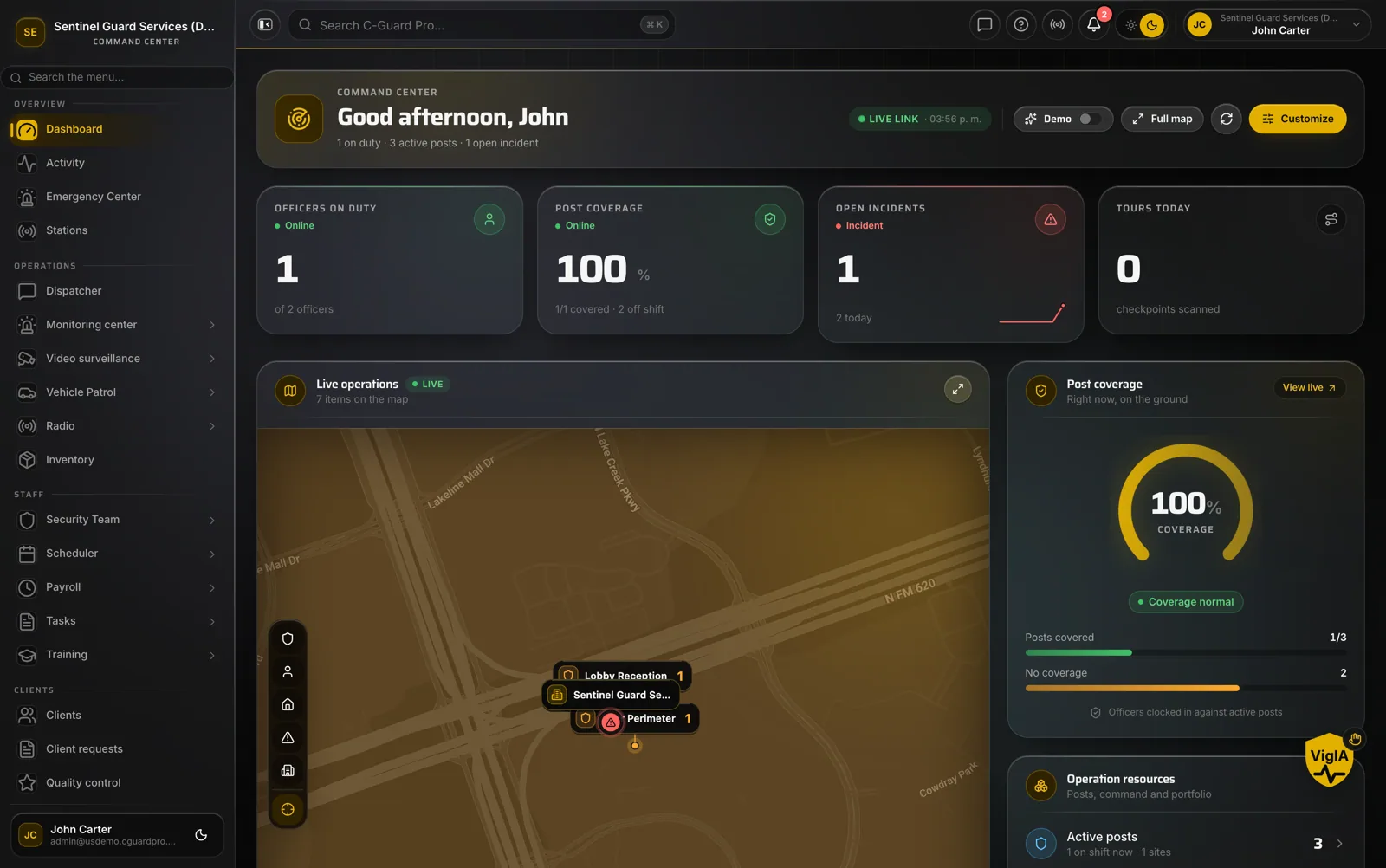 If you can’t see coverage and incidents at a glance, you’re deciding blind, and so is your provider.
Patrols and posts keep getting missed
Guards skipping rounds, arriving late, or leaving posts uncovered is a direct failure of the thing you’re paying for. The problem is proving it. With paper logs, a missed patrol simply doesn’t get written down, so it never happened on paper. With QR or GPS-verified guard tours, a skipped checkpoint shows up as a gap you can point to. If you’re seeing repeated gaps, that’s not a rough patch; that’s the service quietly shrinking.
Turnover is constant
When you never see the same guard twice, coverage suffers in a way that doesn’t show on an invoice. A guard who knows your building knows which door props open, which car doesn’t belong, which contractor is legitimate. A rotating cast of unfamiliar faces spots far less. High turnover on your account usually points to how the provider treats its own people, and that’s rarely something you can fix from the outside.
Incidents are slow, thin, or invisible
You should hear about a real incident promptly, with the facts, and ideally a photo. If reports show up days later, arrive as one vague line, or don’t arrive at all until you ask, the reporting discipline has broken down. And weak reporting isn’t just annoying; it leaves you exposed if you ever need a record of what happened and when.
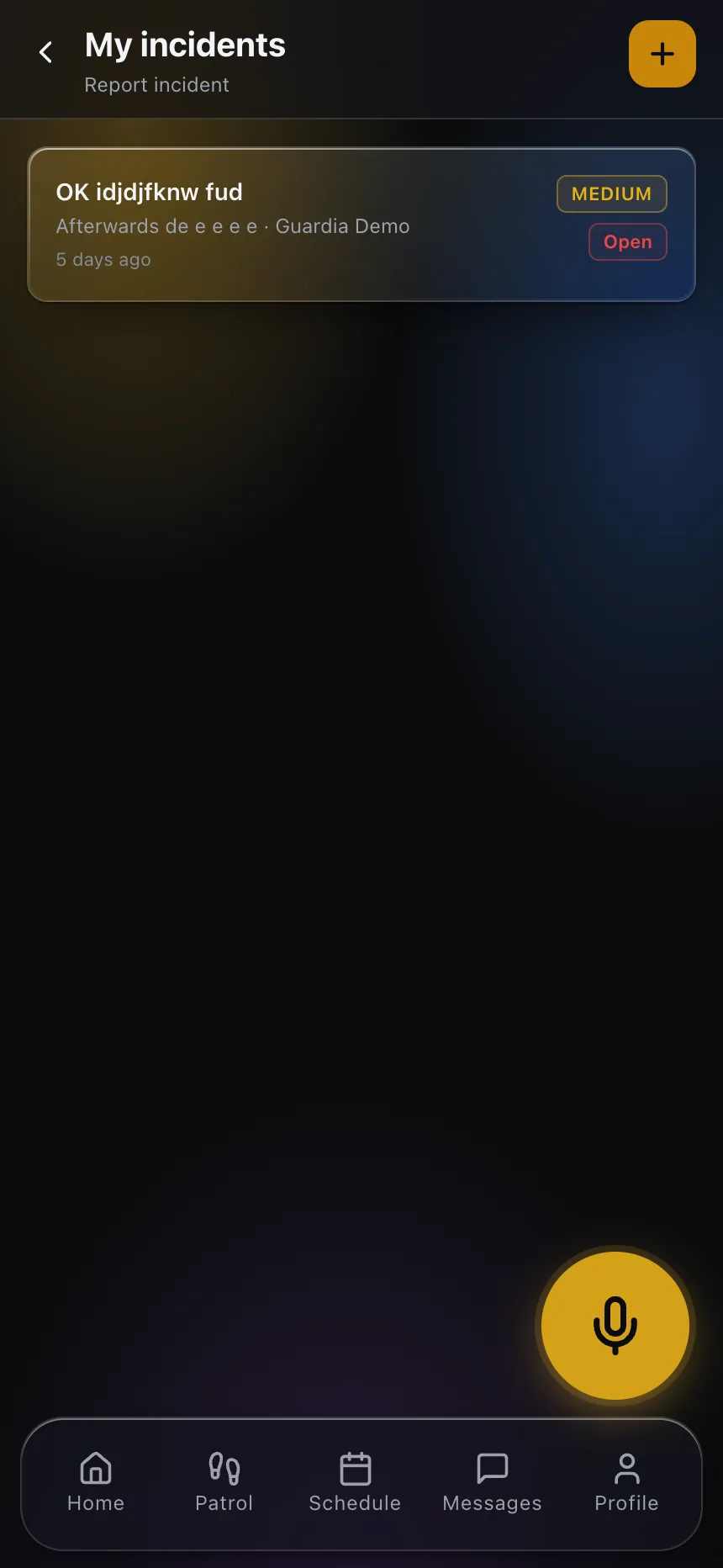 A good incident reaches you promptly with facts and a photo, not days later as a vague line.
Communication only flows one direction
You email; you wait. You raise the same issue three reviews running and nothing changes. Escalations vanish. A provider who’s disengaged on the small things won’t suddenly rise to the occasion during a real emergency.
How to decide with data, not a hunch
Before you make a call either way, gather evidence for one full month. You’re not building a case to win an argument; you’re checking whether your frustration matches reality.
- Pull the coverage record. Shifts scheduled vs. filled, and how many by the assigned guard vs. a fill-in.
- Check patrol completion. Tours required vs. completed, and which posts get skipped.
- List open incidents. How many are unresolved, and how long they’ve been open.
- Time the responses. From alert or report to acknowledgement.
- Count the faces. How many different guards worked your site this month?
If you can gather most of this yourself, you’re likely already with a provider worth keeping, because the transparency is the point. If gathering it is impossible because the data simply doesn’t exist, that absence is your answer.
Before you pull the trigger
Give the provider one clear, documented chance to fix a specific, measurable problem, with a date. Sometimes a wake-up call works, and switching is genuine effort. But if you’ve raised the same issues repeatedly and the numbers haven’t moved, you have your decision, and you have the evidence to make it cleanly.
One practical note: keep your own copies of key records, incident logs, and correspondence before any transition. Retention and privacy rules around security records vary by jurisdiction, so confirm what you’re entitled to keep with your own advisor. This isn’t legal advice.
Switching security companies is disruptive, but staying with one that’s stopped delivering is worse, and quieter. Knowing when to change security guard company is really about knowing what to measure. Once you can see the service clearly, the decision usually makes itself.
Curious what full visibility looks like? Take a look at the client portal and use it as the bar to hold any provider to, current or next.