Ask an owner who just launched in New Jersey or Pennsylvania what it took to get licensed, and you’ll get a story about one office, one application, one wait. Ask someone who just went through it in New York, and you’ll usually hear about the moment they thought they were done and found out they weren’t. The people who research how to start a security guard company in New York almost always find the state security license first, apply for it, get approved — and then discover that approval covers the business, not the workforce standing on the posts that business is supposed to staff.
How to Start a Security Guard Company in New York: Two Agencies, Two Different Jobs
New York splits security regulation across two separate state bodies that do not share one intake process. The company-level license — the one that lets an entity operate as a security guard agency in the state — is issued by the New York Department of State, Division of Licensing Services. That’s the piece most first-time owners find first, because it’s the one that shows up when you search for a security company license, and it’s the one that feels like the finish line.
It isn’t. The Department of State issues two different things: the agency’s license, and each officer’s security guard registration. The training behind that registration — the 8-hour pre-assignment course, the 16-hour on-the-job course and the 8-hour annual in-service — is set by the Division of Criminal Justice Services (DCJS), which approves the schools that teach it. So there are two agencies involved, but with different jobs: DOS licenses and registers, DCJS governs training. An agency can hold a valid license and still not have a single guard cleared to work, because none of its hires have completed approved training and received their DOS registration yet. The officer side is covered step by step in how to get a New York security guard license.
This split matters because of how it plays out operationally, not just administratively. A company license lets you exist as a business. It does not, by itself, put anyone on a post.
The Sequence That Actually Works
Because the company license and the officers’ registrations run on separate tracks, sequencing them badly costs time. A more workable order looks like this: confirm the business-entity requirements and get the company application moving with the Division of Licensing Services first, since that’s the precondition for operating as an agency at all. In parallel — not after — line up DCJS-approved training for the people you plan to hire and get their DOS registration applications in, because that process runs on its own timeline and doesn’t wait for your company license to clear. Owners who treat officer registration as a “we’ll get to it once we’re licensed” afterthought are the ones who end up licensed as a business with no one eligible to actually work a shift.
Exactly what each agency requires — forms, documentation, any fees, timelines — changes and is not something to take from a blog post. Requirements vary and are set and updated by each agency directly, so the only reliable source is the Division of Licensing Services and DCJS themselves, along with counsel familiar with New York security regulation. Nothing in this article should be treated as legal advice; verify current requirements directly with both agencies before you build a hiring or launch timeline around them.
What to Have Ready Before You Apply
Before contacting either agency, get your basic business structure decided — entity type, ownership, the operational plan for what the company will actually do — because both applications will ask about it in some form. Beyond that, the most useful thing a first-time applicant can do is stop treating this as one application and start treating it as two parallel projects with two different points of contact, two different sets of instructions, and two different definitions of “done.” Assign someone internally to own each track, even if that’s the same person wearing two hats, so neither one quietly stalls while attention is on the other.
The Operational Consequence: Scheduling Without a Cleared Workforce
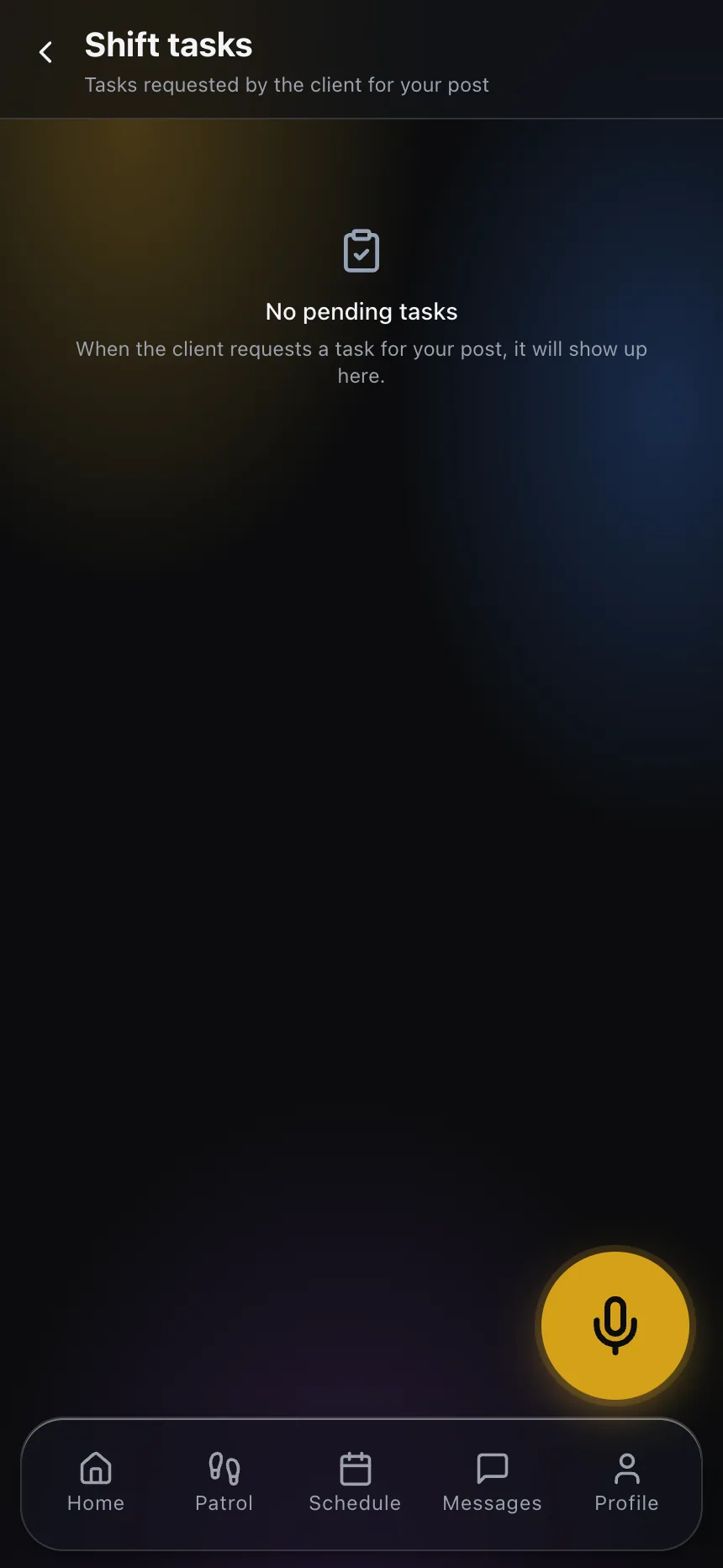
This split has a direct effect on how a new agency has to run its early scheduling. You cannot treat “hired” and “eligible to post” as the same status. A candidate can pass your interview, sign an offer, and still not be someone you can legally schedule until their Security Guard Registry status with DCJS is confirmed. Building your roster around anyone who hasn’t cleared that step — because you assumed the company license was the only gate — is how a new agency ends up with a signed client contract and a start date it can’t actually staff.
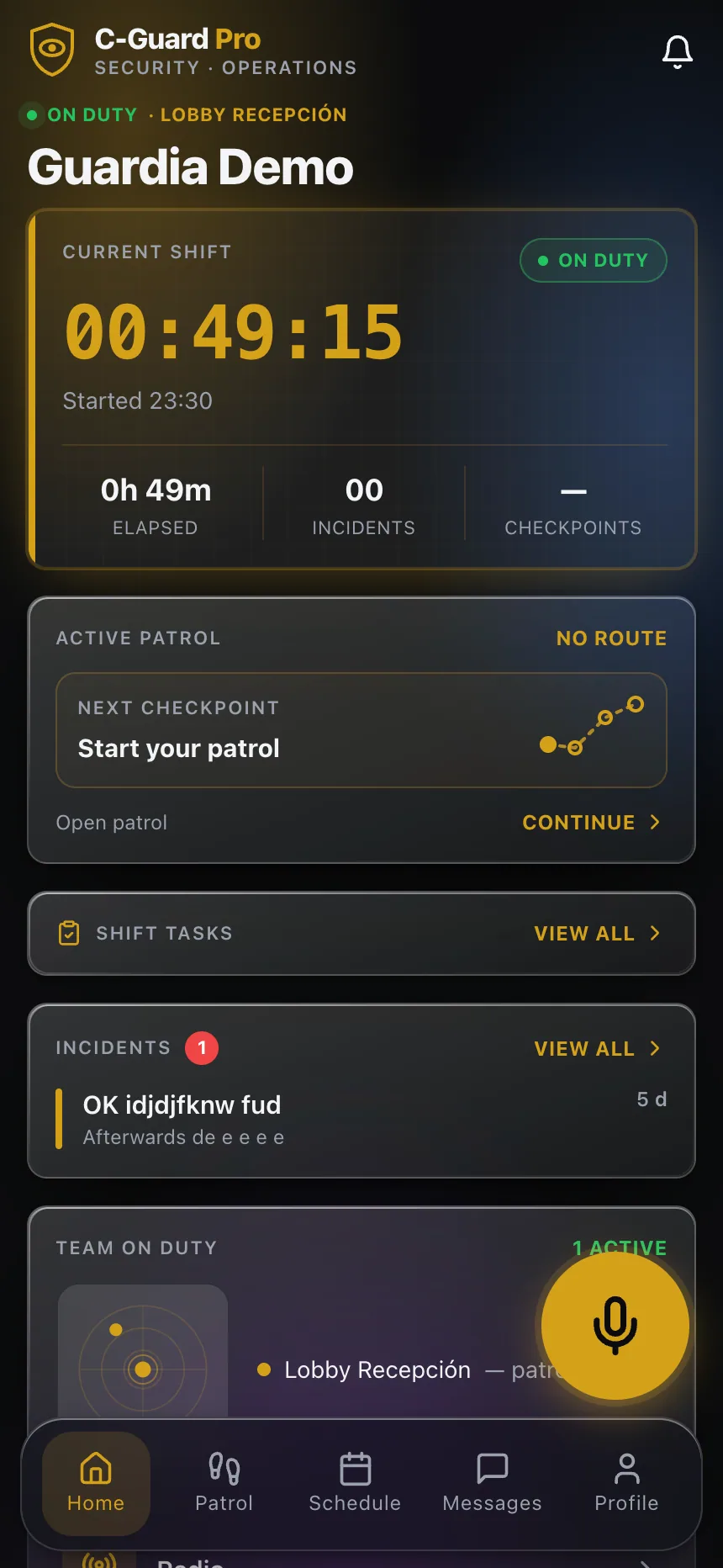
The practical fix is to track registry status as its own field in whatever system you use to manage your workforce, separate from onboarding paperwork or availability. Don’t let a scheduler assign someone to a post based on “they’re hired” when the real question is “are they cleared.” A dashboard that shows supervisors exactly who’s confirmed to work, not just who’s on the payroll, prevents the specific failure mode of a new company confidently sending an uncleared guard to a client site because nobody double-checked which approval had actually landed.
What Happens When a Guard’s Registry Status Lapses
Registry clearance isn’t a one-time event you check off at hire and never revisit. Most states build some kind of renewal cycle into their guard registration systems, which means a guard who was legitimately cleared on day one can drift out of compliance months later if nobody is tracking renewal dates. An agency that only checks registry status during onboarding and never again has a blind spot that grows over time, one guard at a time, until a client audit or a routine inspection surfaces someone who’s been working posts on a lapsed clearance for weeks without anyone noticing.
This is a second, quieter version of the same problem that trips up new owners at launch: treating a compliance status as something you confirm once instead of something you monitor continuously. Client contracts, particularly with larger property managers and institutional accounts, increasingly ask for proof of current registry status as part of ongoing vendor management, not just at contract signing — which means an agency that can’t produce that proof on short notice for every guard on a given site has a real, immediate business problem, not just a paperwork gap. Exactly what renewal involves and how often it recurs is, again, a DCJS question, not something to assume from this article.
Don’t Let One Approval Stand In for Two
The mistake that costs new owners the most time in New York isn’t a wrong answer on either application — it’s assuming that finishing one process means the other is handled too. It isn’t. The company license and each officer’s registration are separate decisions, and the training behind every registration runs through DCJS-approved schools, so a company that’s fully licensed to operate can still have zero guards eligible to work a post. Start both tracks early, verify everything directly with the agencies rather than secondhand summaries, and build your hiring and scheduling process around the real gate — each officer’s registration — rather than the one that’s easier to find first.
This is general information, not legal advice, and requirements change. Confirm current requirements directly with the Department of State’s Division of Licensing Services, DCJS, and an attorney familiar with New York security regulation before you build a launch plan around them.
If you want a system that tracks guard eligibility alongside scheduling instead of treating them as separate spreadsheets, explore CGuardPro or get in touch.