The scariest part of changing security firms isn’t the paperwork. It’s the handover night, when the old provider walks off your site and the new one walks on, and you lie awake wondering if anyone is actually watching the property in between. Learning how to switch security guard provider without gaps is really about engineering that seam so it doesn’t exist. Done right, your tenants, staff, and residents never notice a thing except, ideally, better service the next morning.
Coverage gaps during a transition aren’t inevitable. They happen when the change is treated as a start date instead of a plan. Here’s how to run it as a plan.
Start before the old contract ends
The single biggest mistake is scheduling the new provider to begin the same minute the old one stops. Everything that goes wrong on a property gets discovered in the first week, and you don’t want to discover it with a crew who’ve never set foot on site.
Where your contracts allow, build in a short overlap, even a few shifts, where the incoming guards shadow the outgoing ones. They learn the quirks: which gate sticks, when deliveries pile up, which tenant always forgets their fob. Confirm what your existing agreement permits around notice and overlap, and check the specifics with your own advisor, since contract terms vary. This isn’t legal advice.
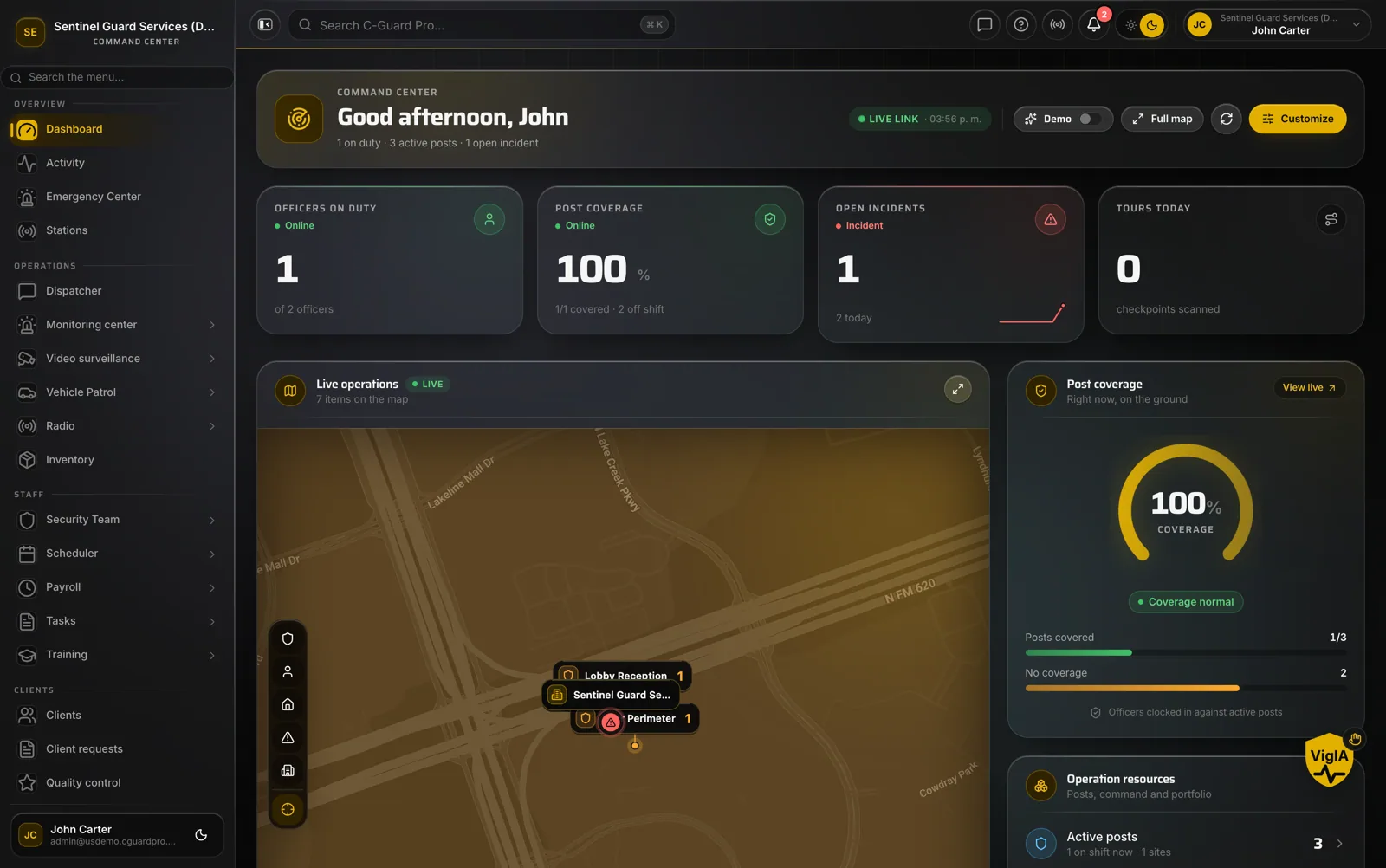 Plan the changeover shift by shift so no post sits empty during the handover.
Hand over post orders, not just keys
Post orders are the instructions that tell a guard exactly what to do at your site: patrol routes, checkpoints, escalation contacts, what counts as an incident, how to handle after-hours access. The outgoing provider has been operating on some version of these for months, whether written down or living in a supervisor’s head.
Before the switch, get post orders documented and reviewed by the new provider. If they don’t exist in writing, this is the moment to create them, and it’s an opportunity: you get to fix everything that never worked. A clean guard scheduling and post setup means the new team knows which posts to fill, when, and with whom, from shift one.
Walk the new provider through:
- Patrol routes and checkpoints, ideally set up as QR or GPS-verified tours so you can confirm coverage from day one.
- Escalation contacts, who to call for what, and after hours.
- Site-specific rules, access control, visitor handling, parking, known problem spots.
- What an incident is on your property, and how fast you expect to hear about it.
Set up your visibility on day one
Don’t wait until the first monthly review to find out whether the new provider is actually performing. Set up your client portal access before they start, so you can watch coverage, patrols, and incidents live from the very first shift. The transition week is exactly when you most want eyes on the service, and it’s the week a good provider most wants to prove itself.
Getting portal access configured up front also tells you something. A provider who sets you up with live visibility immediately is confident in what you’ll see. One who’s evasive about it is telling you something too.
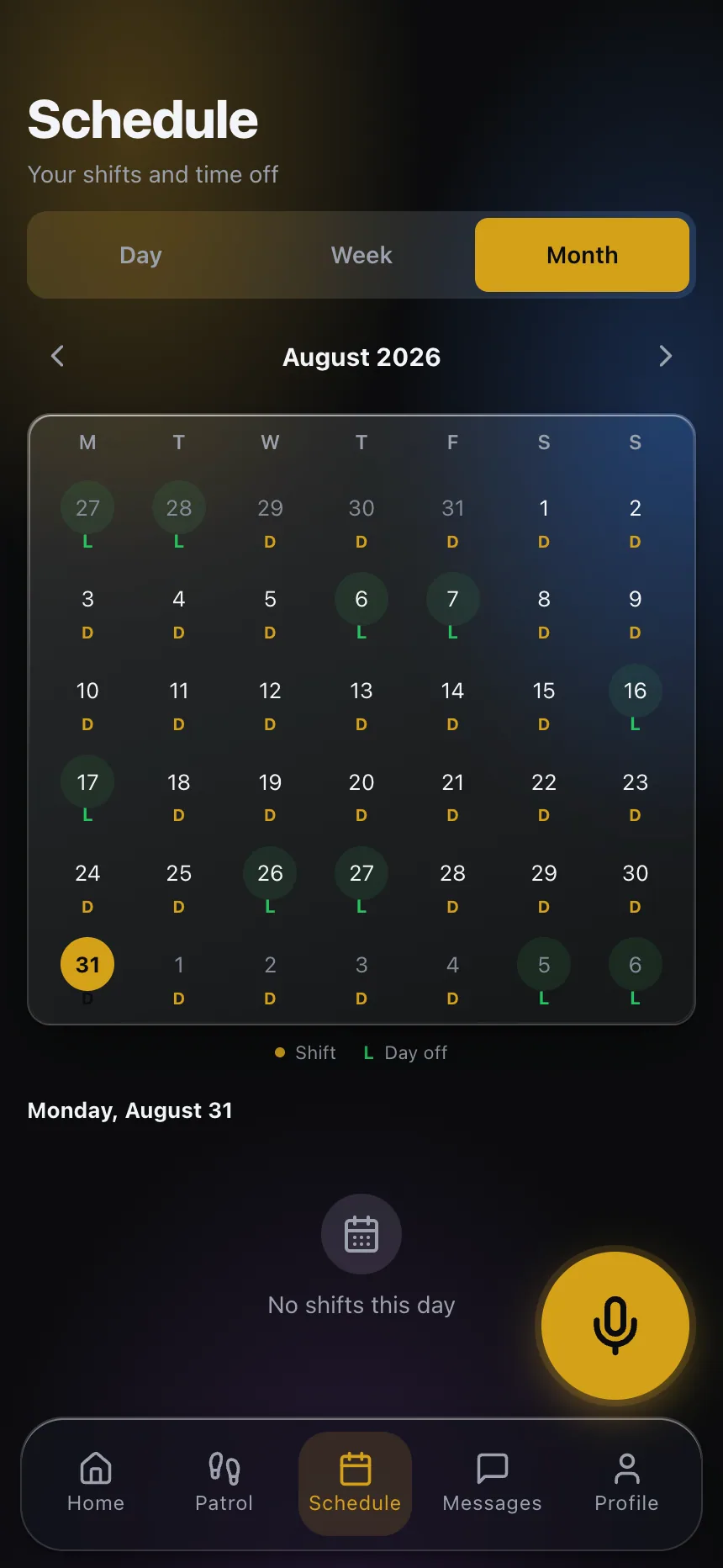 From the first shift, confirm every post is filled by the guard who’s supposed to be there.
A clean-transition checklist
Work backward from the changeover date and hit these before it arrives:
- Confirm notice and overlap allowed under your current contract.
- Document post orders and have the new provider review and accept them.
- Schedule shadow shifts so incoming guards learn the site from the outgoing ones.
- Set up portal access so you can watch live from shift one.
- Configure patrol routes and checkpoints in the new system before go-live.
- Share escalation contacts both ways, and test them with a dry run.
- Retrieve your records from the old provider, incident logs, and any footage you’re entitled to keep.
- Book the first review for two to three weeks in, not a month, so early problems get caught fast.
The first two weeks matter most
Treat the opening fortnight as a proving period, not a settling-in grace period. Watch the coverage record daily. Note whether the same guards keep showing up, because familiarity is what makes a guard effective on your specific property. Flag the small stuff immediately, a missed checkpoint, a late arrival, so the new provider learns your standard is real and enforced from the start.
That early firmness sets the tone for the whole relationship. A provider who learns in week one that you’re watching the data and hold them to it will run your account differently than one who assumes you’ll only check the invoice.
Switching providers feels risky mainly because most switches are run loosely. Run it as a plan, with overlap, documented post orders, and live visibility from the first shift, and the seam disappears. That’s the whole art of how to switch security guard provider without gaps: never leave a moment where nobody’s accountable and nobody’s watching.
Want to see the kind of live view that makes a clean transition possible? Explore the client portal and set it as your bar before the changeover.