A tenant walks up behind someone who just badged the turnstile, hands full of coffee and a laptop bag, and doesn’t reach for their own credential because the door is already open. The officer at the desk has about two seconds to decide whether to say something. Say nothing, and it’s a tailgate — the exact failure the post exists to prevent. Say something wrong, and it’s a complaint to the property manager about being hassled by security in their own building. Office building lobby security guard tailgating prevention lives entirely inside that two-second window, and most post orders don’t actually tell an officer what to say in it.
Office building lobby security guard tailgating prevention starts with a script, not an instinct
Post orders that say to prevent tailgating without describing the actual script an officer uses are asking for a judgment call under time pressure, every single time someone walks through. An officer left to improvise that judgment call will lean one of two ways under pressure: challenge everyone, which generates tenant complaints fast, or challenge no one, which defeats the post’s purpose entirely. Neither is a training failure exactly — it’s a policy failure, because nobody wrote down what the actual challenge sounds like.
The fix is a specific phrase and a specific trigger, not a general instruction to “stay alert.” Something as plain as asking every unbadged person following a badged one to present their own credential or sign in as a visitor, delivered the same way, every time, to everyone, regardless of how confident they look or how long they’ve worked in the building. Consistency is what makes it not feel personal. A challenge that only happens to people who look unfamiliar is the version that generates a discrimination complaint. A challenge that happens to every single person without a badge, including the tenant who’s worked on the fourteenth floor for six years and just forgot their card that morning, is defensible precisely because it isn’t selective.
The actual line that works
“I need to see a badge or get you signed in as a guest” is polite, consistent, and doesn’t accuse anyone of anything — it treats an unbadged tenant exactly the same as it treats an unbadged stranger, which is the entire point. A tenant who’s mildly annoyed at being asked for a badge they know they have is a much smaller problem than a tenant who’s furious that a stranger got waved through behind them without anyone saying a word.
The officer doesn’t need to guess whether someone belongs. The rule is the badge or the sign-in, not a judgment about the person, and giving officers that fixed rule instead of a vague instruction is what actually reduces both tailgating and complaints at the same time, because it removes the officer’s own discretion from a moment where discretion is exactly what causes problems.
What happens when a tenant complains anyway
Even a polite, consistent challenge generates the occasional complaint — usually from someone in a hurry who felt slowed down, not someone who felt genuinely mistreated. This is where the difference between a verbal policy and a documented one matters most, because the property manager’s first question after a complaint is almost always some version of “did this actually happen the way the tenant described it.”
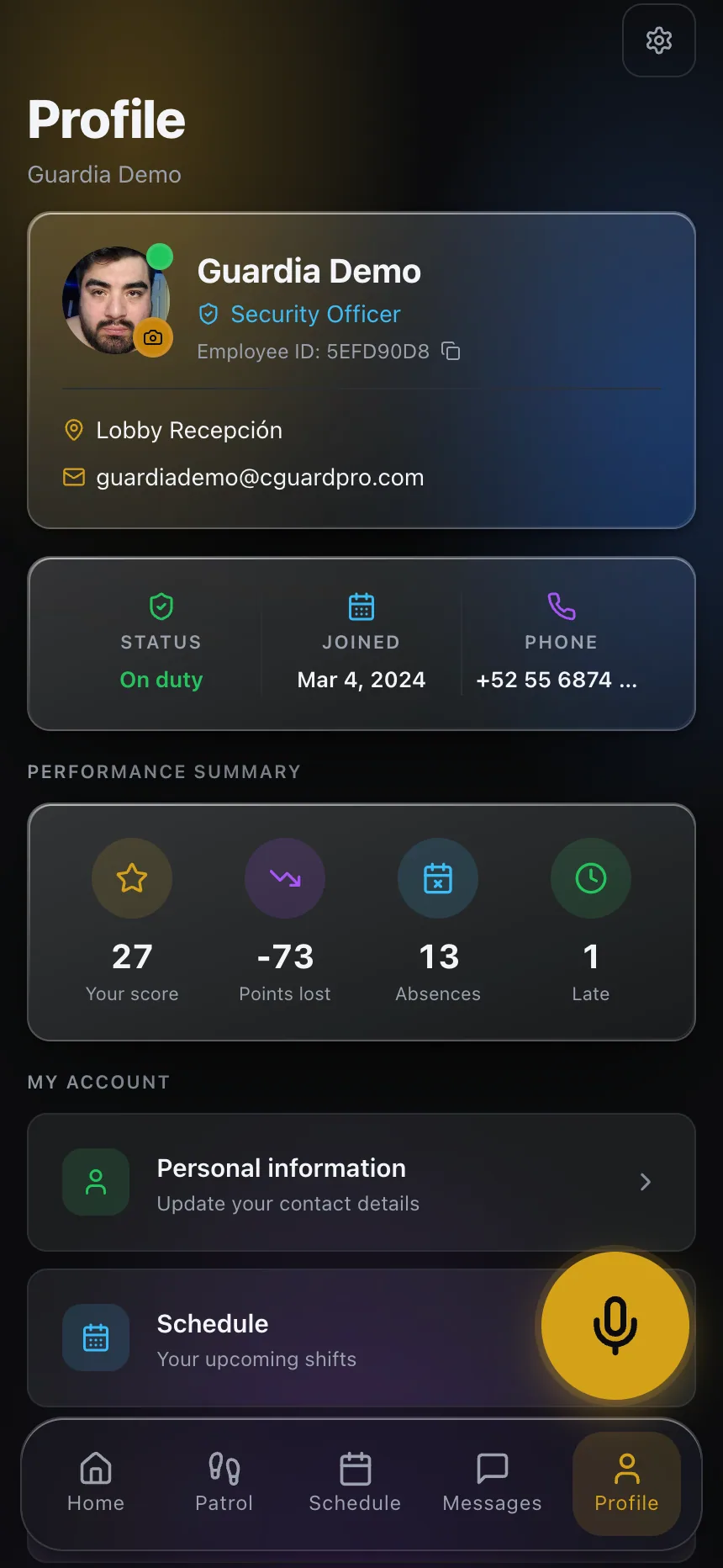
A digital visitor management log that records who was signed in, when, and by which officer gives the account manager something concrete to point to: the officer followed the same procedure used with everyone else that shift, at that time, and the record shows it. Without that record, the conversation is one person’s memory against another’s, and the officer’s account carries less weight by default because they’re the one being complained about.
That log doesn’t need to capture the tone of the conversation — it can’t, and shouldn’t try to. What it captures is that the challenge happened, when, and that it followed the standard process rather than being invented on the spot for that one person. That’s usually enough to resolve the complaint without it becoming a bigger issue between the client and the account manager.
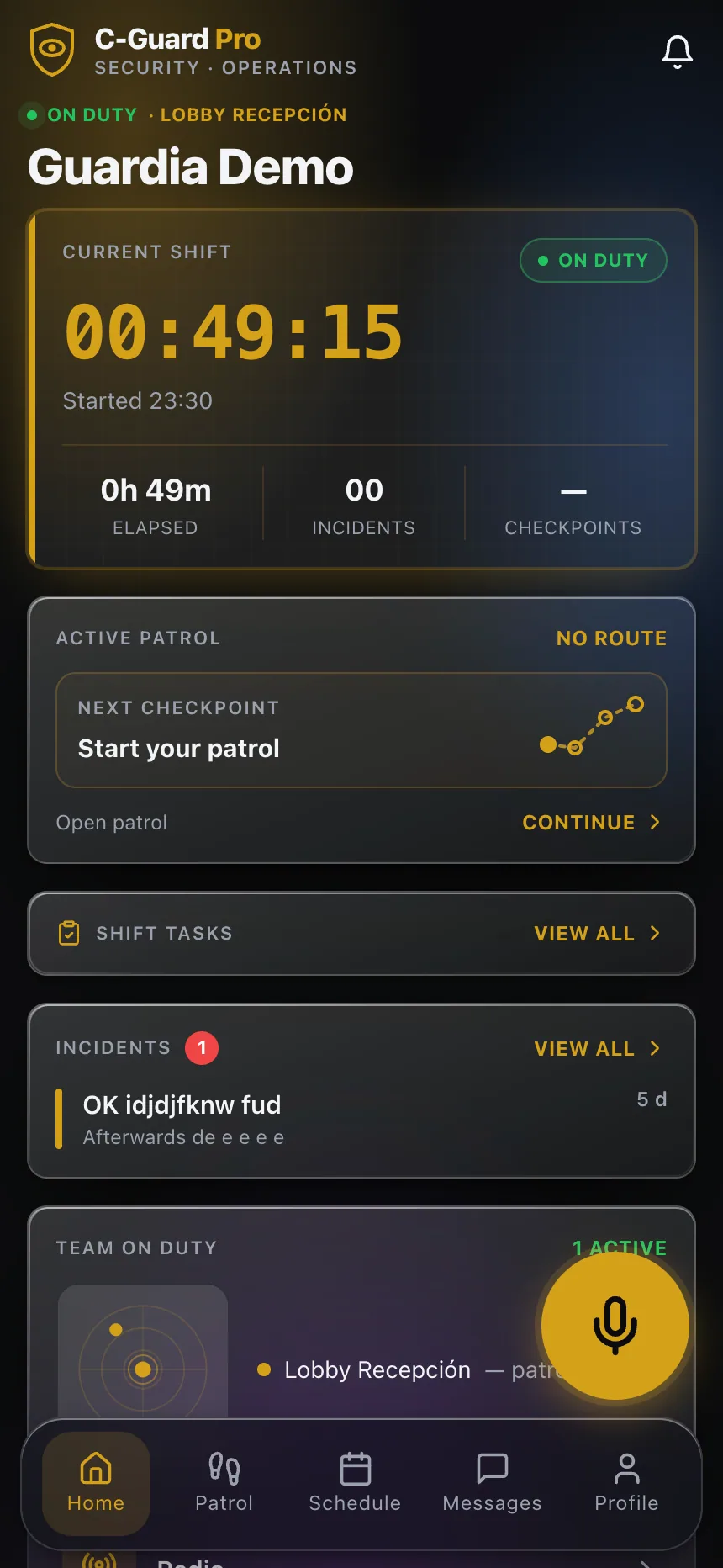
A supervisor reviewing that log across a week also gets something the officer on the desk never sees in the moment: a pattern. If the same tenant is repeatedly getting flagged because they consistently forget their badge, that’s worth a quiet word with the tenant directly, separate from the officer’s job of challenging them consistently every time regardless. And if challenges are spiking at a particular hour — the morning rush, the lunch return — that’s a staffing or turnstile-flow question the account manager can raise with the property manager before it turns into a bottleneck complaint of its own.
When a real incident follows a tailgate
Occasionally the person who tailgated genuinely shouldn’t have been in the building, and the incident escalates past an awkward lobby moment into something the property manager needs a real account of — a confrontation, a theft, someone found somewhere they shouldn’t be. That’s the moment a same-shift incident report matters, because it ties the tailgate itself, the challenge that was or wasn’t issued, and whatever happened afterward into one timeline instead of three separate memories reconstructed days later under pressure.
Building the habit of logging every challenge — not just the ones that turn into something — is what makes that later reconstruction possible. An officer who only writes something down when it becomes a problem has nothing to show for the dozens of routine challenges that went fine, and no way to demonstrate the procedure was actually being followed before the one time it mattered.
Training the two-second decision, not the policy document
The policy document matters less than what the officer actually says in the two seconds before someone walks through an open door behind a badged tenant. Training that ends with a written policy and no practiced script leaves that decision exactly as improvised as it was before the policy existed. Run the actual phrase in training until it’s automatic, and the officer stops having to choose between insulting a tenant and letting a stranger through — they just say the line, every time, to everyone, and let the badge or the sign-in decide the outcome instead of their own judgment.
If you want to see how visitor logging and incident reporting work together to back up a consistent lobby procedure, explore CGuardPro or check how it fits an office building post.