A company owner expanding into Georgia calls the state police, gets transferred twice, and ends up describing his business to someone in corporate filings who has never heard of a private detective and security agency license. That call isn’t a fluke of a bad day on the phone — it’s a fair reflection of where Georgia actually put this licensing function. Georgia security guard agency license requirements are administered inside the Secretary of State’s office, in the same building, functionally, as business registrations and notary commissions, rather than inside a state police or public-safety department the way an operator coming from another state would expect to find it.
That placement isn’t trivia. It changes who you call, what the application looks like, and — more practically — it means the whole process runs through a portal built for the Secretary of State’s broader professional licensing functions, not a purpose-built security licensing office.
Georgia security guard agency license requirements sit in an unexpected place
Most states that license security guard companies do it through a body with “public safety,” “criminal justice,” or “police” somewhere in its name, staffed by people whose full-time job is security regulation. Georgia’s licensing sits with the Secretary of State’s State Board of Private Detective and Security Agencies, a board that operates alongside dozens of other professional licensing boards the Secretary of State’s office runs — cosmetology, real estate, accountancy, and so on.
The practical effect is that your application isn’t being processed by a small, specialized team that only thinks about security agencies. It’s moving through a general licensing infrastructure that happens to include your industry as one line item among many. That’s neither better nor worse than a dedicated agency — it just means the resources, the FAQ pages, and the phone support you find will often be generic professional-licensing material, not security-specific guidance. If a detail in the application doesn’t obviously map to your business, don’t assume the confusion is yours; it may just be that the form was written to cover several licensed professions at once.
Applications go through GOALS, and only GOALS
Georgia’s Secretary of State runs professional licensing applications through its online portal, commonly referred to by its acronym, GOALS. For an agency licensed through the State Board of Private Detective and Security Agencies, that portal is the intended channel for submitting the application — not a mailed packet, not a form dropped off in person, not an emailed PDF to a case worker.
This trips up companies coming from states where a paper application, sometimes with a live signature and a notarized attachment, is still normal or even preferred. An owner who prepares a full paper package the way they would have in a prior state and then tries to submit or follow up on it outside the portal is going to lose time rather than save it. Before you start assembling anything, confirm through the Secretary of State’s own current instructions that you’re building toward a GOALS submission and not a parallel process that doesn’t exist.
It’s also worth assuming the portal isn’t just for the initial application. A licensing system built around one online portal tends to route renewals, updates to officers or managers on file, and any required changes to the agency’s registration through that same channel going forward, rather than through whatever ad hoc process a company might expect from experience elsewhere. Treat the portal as the ongoing system of record for the license, not a one-time gate you pass through and then forget about.
What actually varies enough that you shouldn’t guess
Application requirements, supporting documentation, any bonding or insurance obligations, and how the license interacts with individual officer or manager credentials are all details that can and do change, and this article isn’t the place to state them as fixed facts. Confirm current requirements directly with the Georgia Secretary of State’s office and, for anything that affects how you structure the business or the ownership behind it, with an attorney familiar with Georgia private security licensing. Nothing here is legal advice, and licensing requirements can differ from what a general web search or a sales conversation with a training vendor tells you.
What’s worth planning around operationally, regardless of the exact requirements, is that a multi-state security company treats each state’s licensing as a distinct project with its own timeline, its own point of contact, and its own portal quirks — not a copy-paste of the last state you licensed in. Georgia’s setup is a good example of why: a team that assumes “we know how state licensing works” from experience elsewhere will bring the wrong assumptions into a GOALS submission.
Building the operational side while the license is in process
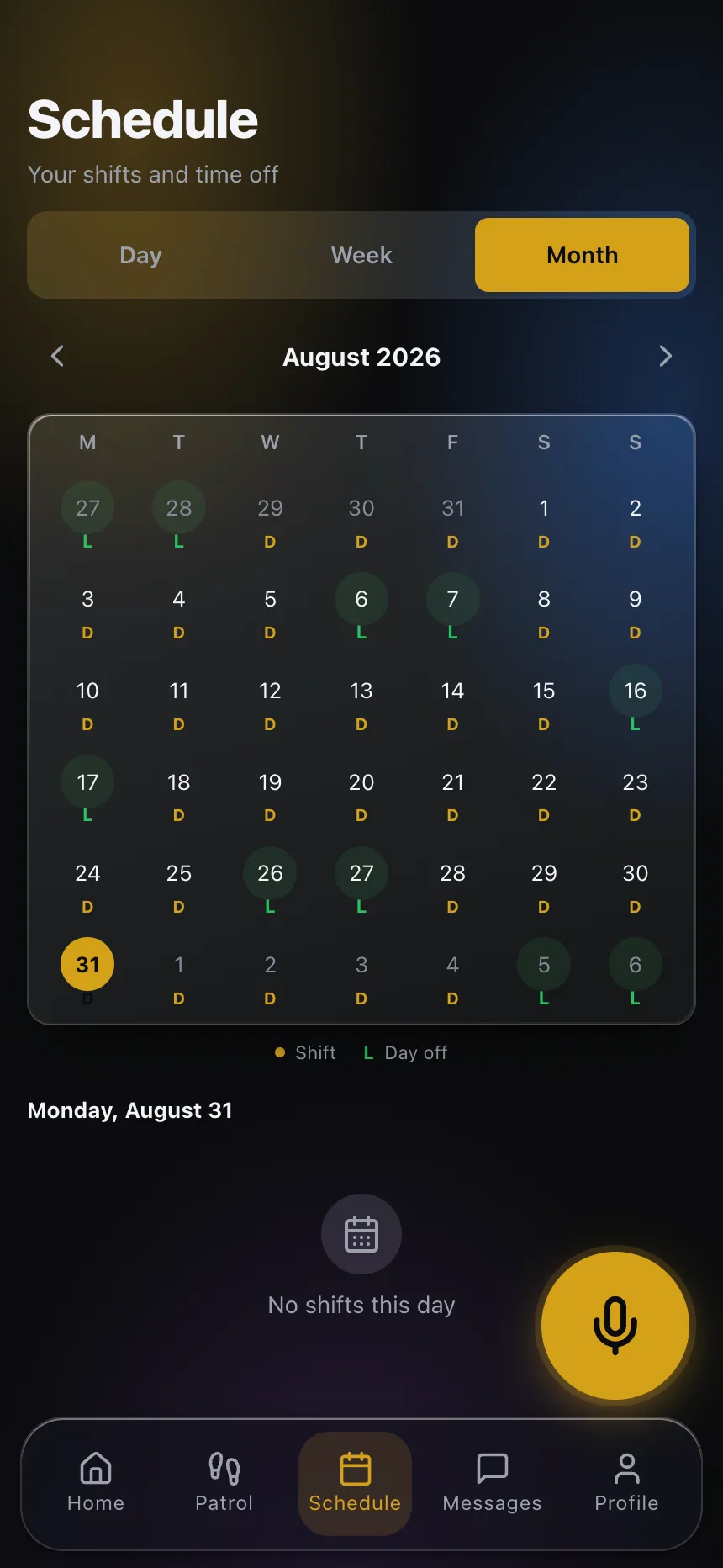
Licensing timelines are outside your control once the application is in, but the parts of standing up a Georgia operation that are inside your control — building the roster, setting post orders for the sites you’re bidding, and getting scheduling in place — don’t have to wait on the license clearing. Getting guard scheduling software configured for a new state’s shift patterns and holiday rules before your first post goes live means the operational side isn’t the bottleneck once licensing clears.
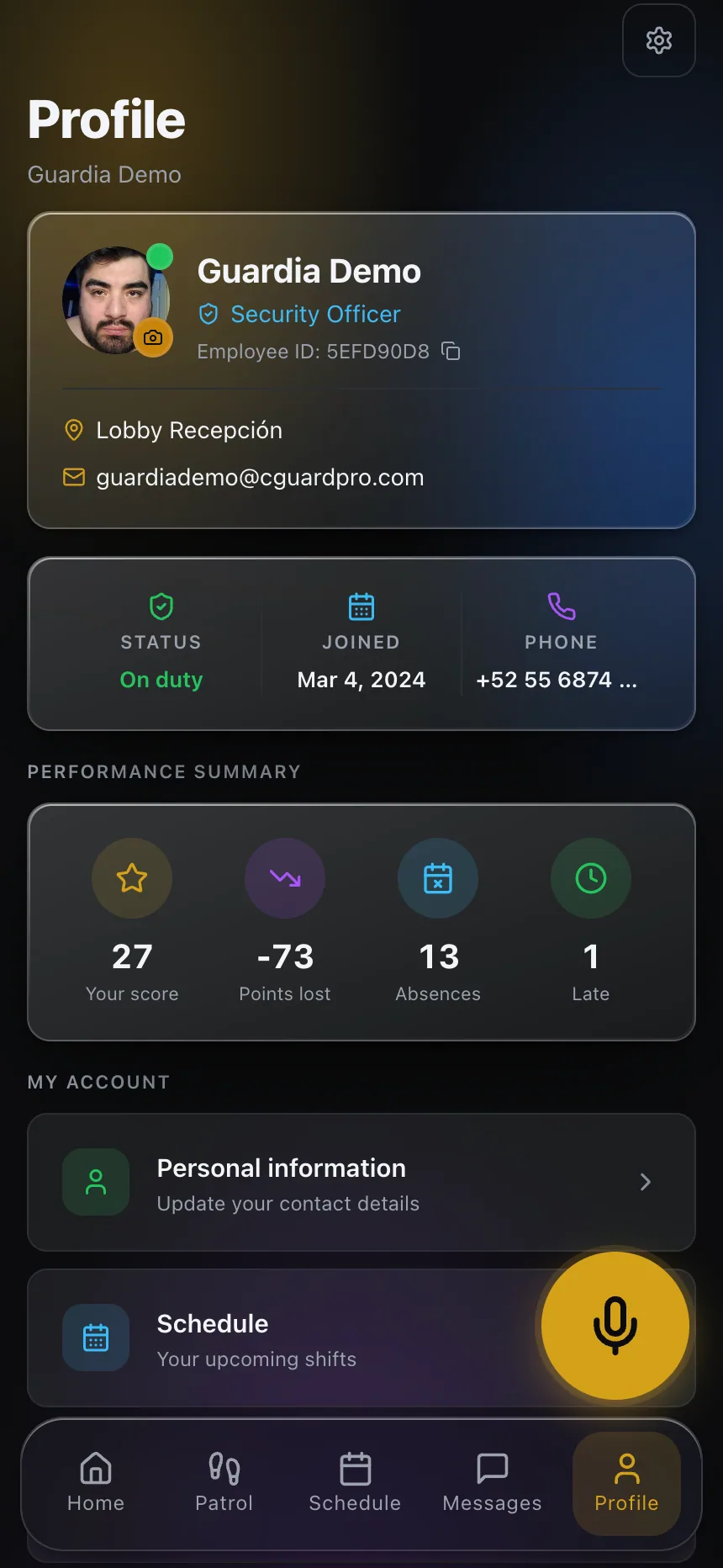
It’s also worth using the licensing wait to sort out how you’ll actually run the new territory day to day — dispatch, reporting, and how a field supervisor in a new state stays visible to leadership back at the home office. A security guard app that officers already know from other states shortens the ramp-up for a Georgia crew, because the tool isn’t new even when the market is.
If you’re weighing whether your current systems can support expansion into a new licensing jurisdiction at all, it’s worth stepping back and running that evaluation before you’re mid-application. Our guide on how to evaluate guard management software walks through the questions worth asking before you commit to a platform across multiple states. And if you want a broader library of compliance and operations material as you plan the expansion, our resources page collects it in one place.
Expanding into a new state is as much an administrative project as an operational one, and Georgia’s structure — a licensing board housed with the Secretary of State, an application process that runs entirely through GOALS — is a reminder that “similar to what we did last time” is not the same as “the same as what we did last time.” Confirm the current requirements directly with the state, keep counsel in the loop on anything structural, and use the lead time to get your operations ready rather than waiting on it. If you’d like to talk through how CGuardPro supports a company running crews across multiple licensing jurisdictions, get in touch.