A fire watch log with a signature next to every hour looks finished sitting on the table. It’s the first thing an owner points to when a system goes down and a watch gets called: see, we did it, here’s the sheet. But that isn’t what an inspector is checking when they pick it up, and it isn’t what fire watch log requirements actually turn on. They’re checking whether the interval on that sheet and the route it describes actually match what was impaired — and on most fire watch logs, they don’t, because the log was built off a template kept in the office rather than off the notice that started the watch.
Fire watch log requirements start with the trigger, not the template
Every fire watch starts with a specific trigger: a sprinkler system out of service for repair, a fire alarm panel down, a standpipe impaired, a hot work permit on a floor without active protection. Each of those triggers carries its own requirement for how often someone has to walk the affected area and how much of the building that walk has to cover, and that requirement is set by whoever authorized the watch — typically the local fire marshal or the authority having jurisdiction (AHJ) for that property, sometimes in coordination with the insurance carrier. It is not the same document for a five-story office impairment as it is for a warehouse standpipe outage, and it is rarely the same as whatever a company keeps in a drawer labeled “fire watch log template.”
The generic template survives because it’s easier. A supervisor grabs the same sheet used for the last watch at a different site, fills in the address, and hands it to the officer with instructions to sign it hourly. The officer does exactly that, and the log looks correct. What it doesn’t show is whether the route covers the actual impaired zone, whether the interval matches what the AHJ specified for this impairment, or whether anyone verified either of those things before the watch started rather than after an inspector asked.
What actually gets checked
When an inspector reviews a fire watch log after the fact — during a routine visit, a permit closeout, or because something happened during the impairment — they aren’t scanning for gaps in the timestamps first. They’re asking three questions, roughly in this order.
Does the interval on the log match what was required for this specific impairment? A log showing a walk every half hour when the notice called for something tighter fails immediately, and a log with no record of what was required at all is worse — it suggests nobody checked in the first place.
Does the route described in the entries actually cover the area the impairment affects? A standpipe outage on one wing of a building doesn’t justify a route that spends most of its time in an unaffected lobby. The log needs to show the watch covered the zone that mattered, not the zone that was convenient to walk.
Is there a documented start and end tied to the notice, not just to the shift? A fire watch that starts when the officer clocks in and ends when they clock out, rather than when the system was actually impaired and actually restored, creates a mismatch an inspector will notice immediately, because the impairment notice has its own timestamps to compare against.
Building the log off the trigger, not the template
The fix is procedural, not technological: before a fire watch log requirements sheet is created, someone has to read the actual notice or work order that triggered the watch and pull the required interval and route from it, then build the log around those specifics. That sounds obvious and gets skipped constantly, because it’s faster to reuse last month’s sheet.
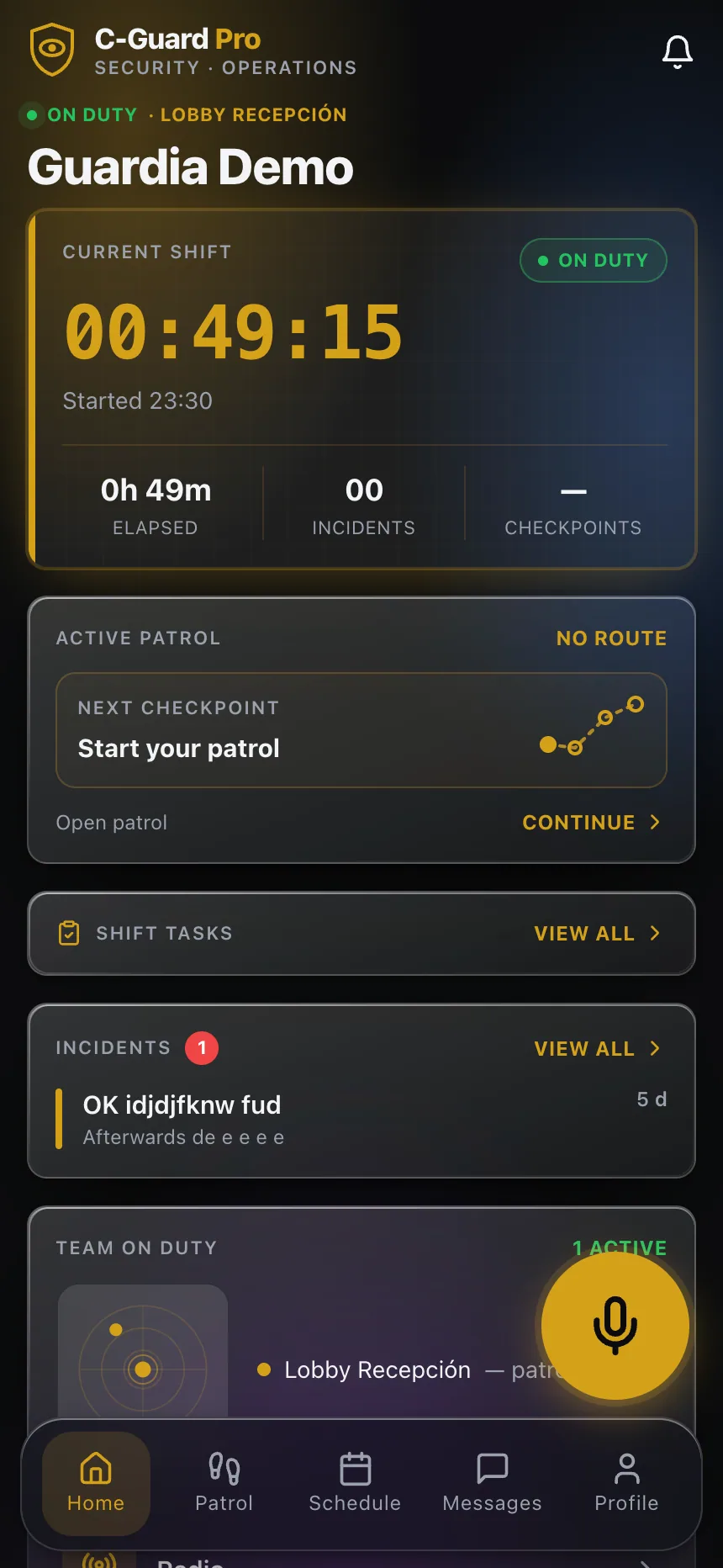
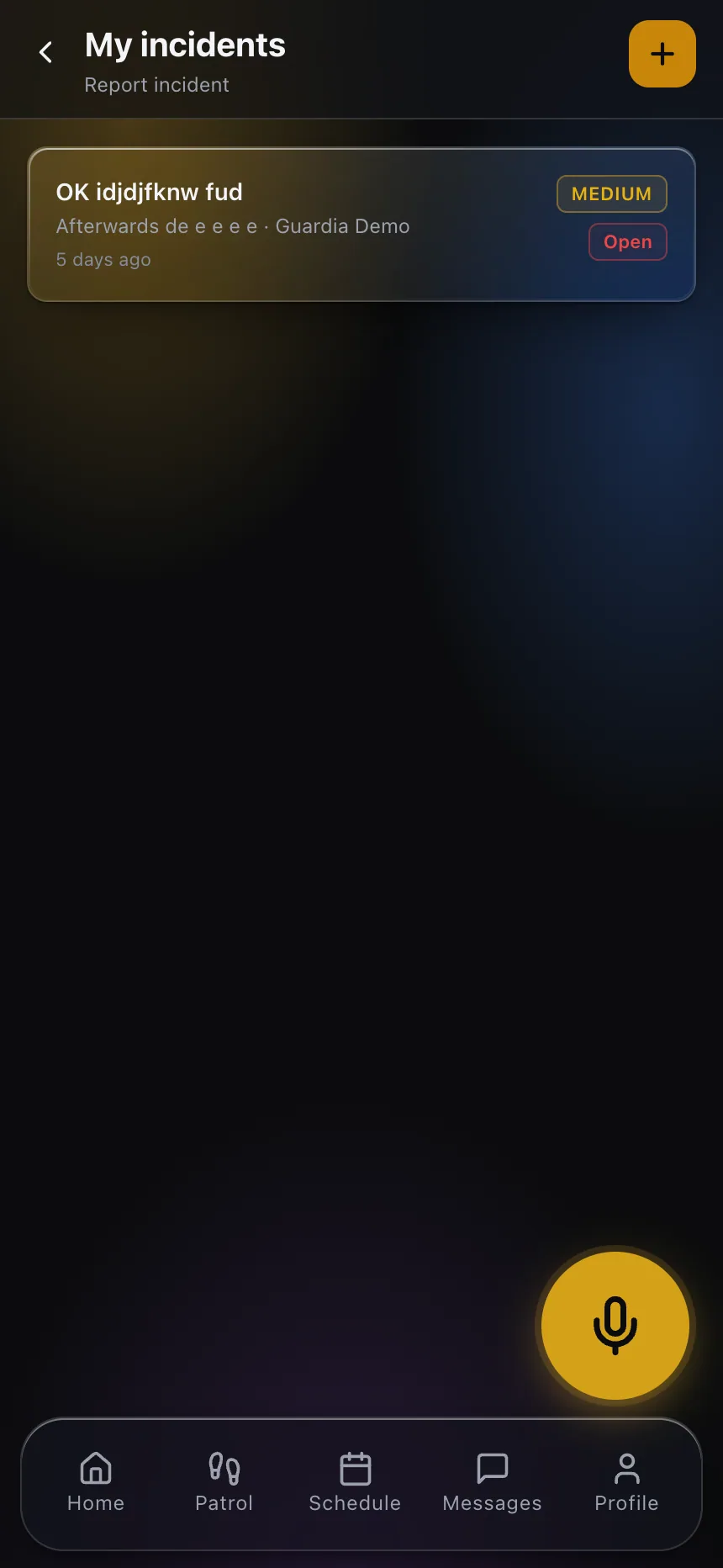
This is where a digital daily activity report structure earns its keep over a paper log — not because a screen is inherently more rigorous than a clipboard, but because it forces the same fields every time and time-stamps each entry automatically rather than relying on an officer’s handwriting and a wall clock that may or may not be accurate. A checkpoint tour built around the actual impaired zone, run through a guard tour system, produces a route history an inspector can review directly instead of taking the officer’s word that the walk happened as described.
None of that replaces the step that actually matters, which is someone confirming the required interval and route with the fire marshal or AHJ before the watch starts, not reconstructing it afterward from memory. A digital log that faithfully records the wrong interval every hour is still the wrong interval — the technology only helps once the underlying requirement has been captured correctly.
What goes wrong at 3 a.m.
The failure that actually happens is rarely a missed hour. It’s a watch that runs correctly against the wrong specification for six or eight hours before anyone notices, because the officer assigned to the post was handed a sheet and a start time and nothing about why the watch was called in the first place. An officer walking an unfamiliar building at 3 a.m. with no context beyond “sign here every hour” can’t be expected to notice that their route skips the one stairwell the impairment actually affects. That gap gets caught by an inspector weeks later, at which point it’s a paperwork problem for the account manager rather than a live safety problem — which is exactly why it goes unnoticed for so long.
Passing that context down clearly — telling the officer what’s impaired and why the route covers what it covers — closes more of that gap than any log format change does. The record should reflect that briefing, not substitute for it. A supervisor who signs off on a fire watch assignment without reading the notice first is the actual point of failure, not the paper it eventually gets written on.
Not legal advice
Fire watch requirements — including intervals, staffing and documentation — vary by state, municipality and the specific AHJ overseeing the property, and they’re set by that authority rather than by a single national code. The National Fire Protection Association develops the standards most local fire codes are built on, but the specific requirement for a given impairment should always be confirmed directly with the local fire marshal or AHJ, and with legal counsel, before a watch begins. This post is not legal advice and shouldn’t be treated as a substitute for that confirmation.
If you want fire watch documentation built around the actual requirement for each impairment rather than a recycled template, see how post orders work in CGuardPro, or get in touch to walk through it.