Ask any owner of a contract security company where their best accounts came from and you will hear the same answer: somebody knew somebody. Then ask them what their security referral program looks like and the answer is usually a shrug. The single most productive channel in the business is almost universally left to chance, which is strange, because it is also the cheapest one to work deliberately.
Most attempts to fix this go straight to money. A formal program gets announced, a bounty is set, a one-page flyer goes out, and six months later two referrals have come in — both from people who would have referred anyway. The conclusion drawn is that referrals cannot be systematized. The actual conclusion should be that the incentive was solving the wrong problem.
Why cash incentives underperform in this industry
Guard services get referred by people whose professional reputation is on the line when they make the introduction. A property manager who recommends you to a colleague at another management company is spending credibility, not doing you a favor for a gift card. If something goes wrong at that property, they hear about it.
Introduce a payment into that relationship and two things happen. First, the referrer now has to decide whether the recommendation is genuine or purchased, which introduces hesitation where none existed. Second, in many of the relationships that matter most — property management firms, general contractors, corporate facilities, municipal contacts — accepting a payment from a vendor may be flatly prohibited by their employer’s policy. You have just made your best referrers uncomfortable and given some of them a reason to decline entirely.
That does not mean incentives never work. They work for referrers with no professional exposure: your own officers, former employees, small business owners, tradespeople. It means the incentive is a narrow tool, not the program.
Who actually refers guard services
Before designing anything, map the real sources. In contract security they are remarkably consistent.
Existing clients, laterally. A property manager who runs four buildings and is happy with your coverage on one. This is the highest-conversion referral in the business and it usually only needs to be asked for.
Existing clients, upward and outward. The same property manager moves to a different management company and takes vendor preferences with them. Regional and portfolio-level people talk to each other constantly.
Adjacent trades. Janitorial and landscaping companies, elevator and HVAC contractors, life safety and fire alarm firms, locksmiths, access control integrators. These people are in the same buildings you are, they meet the same decision makers, and they get asked the same question: “do you know anyone good for X?”
Insurance brokers and risk managers. They are often the ones telling a client that coverage needs to increase in the first place.
Real estate brokers and general contractors. Construction site security, vacant property coverage and post-turnover coverage flow almost entirely through these relationships.
Your own officers. Underused for client referrals and enormously valuable for staffing referrals, which is arguably the more urgent bottleneck for most companies.
Competitors. Genuinely. Every guard company gets asked to bid on work it cannot serve — wrong geography, wrong scope, armed when they only do unarmed, a single overnight post four counties away. A reciprocal relationship with two or three non-competing firms produces steady, well-qualified leads.
The habit that outperforms the program
Here is the mechanism that actually generates referrals at volume: a specific, low-friction ask, made at a moment when the client’s satisfaction is concrete rather than abstract.
Abstract asks fail. “If you know anyone who needs security, let us know” puts the entire cognitive burden on the other person. They have to search their memory for an unknown category of person, evaluate whether it is appropriate to raise, and then take action later. Almost nobody does this.
Specific asks work. “You mentioned the management company took over that property on the east side — is anybody covering it yet?” is answerable in one sentence. So is “Does your fire alarm contractor ever get asked about guard services? I would be happy to be useful to them.”
The moment matters as much as the wording. The best openings are structural, not emotional:
- After a quarterly review where the numbers were good and the client said so out loud.
- After you covered an emergency callout well — a snow event, a flood, a last-minute event.
- After a renewal is signed. The client has just re-committed; the ask is congruent.
- After you delivered a report or a piece of analysis they used with their own boss.
The worst moments are equally predictable: right after an incident, right after a rate increase, and during onboarding when nothing has been proven yet.
Make the referral easy to make
A referral is a small act of vouching. Reduce the work involved to almost nothing.
Give the referrer something forwardable — a short, plain email they can pass along without editing, naming what you do, where you operate, and one sentence of substance. Not a brochure. Nobody forwards a brochure.
Offer to take the introduction from there. “If you send me their name I will reach out, and I will tell them you suggested it” removes the follow-up burden. Most people who intend to refer never do, not because they changed their mind but because the introduction email sat in drafts.
And close the loop. Tell the referrer what happened, whether or not it converted. This is the step almost everyone skips and it is the one that determines whether a second referral ever comes. Silence after a referral reads as either indifference or embarrassment, and both stop the flow.
The part nobody wants to hear
Referral programs fail most often because the service is not referable. Not bad — adequate. Nobody stakes their name on adequate.
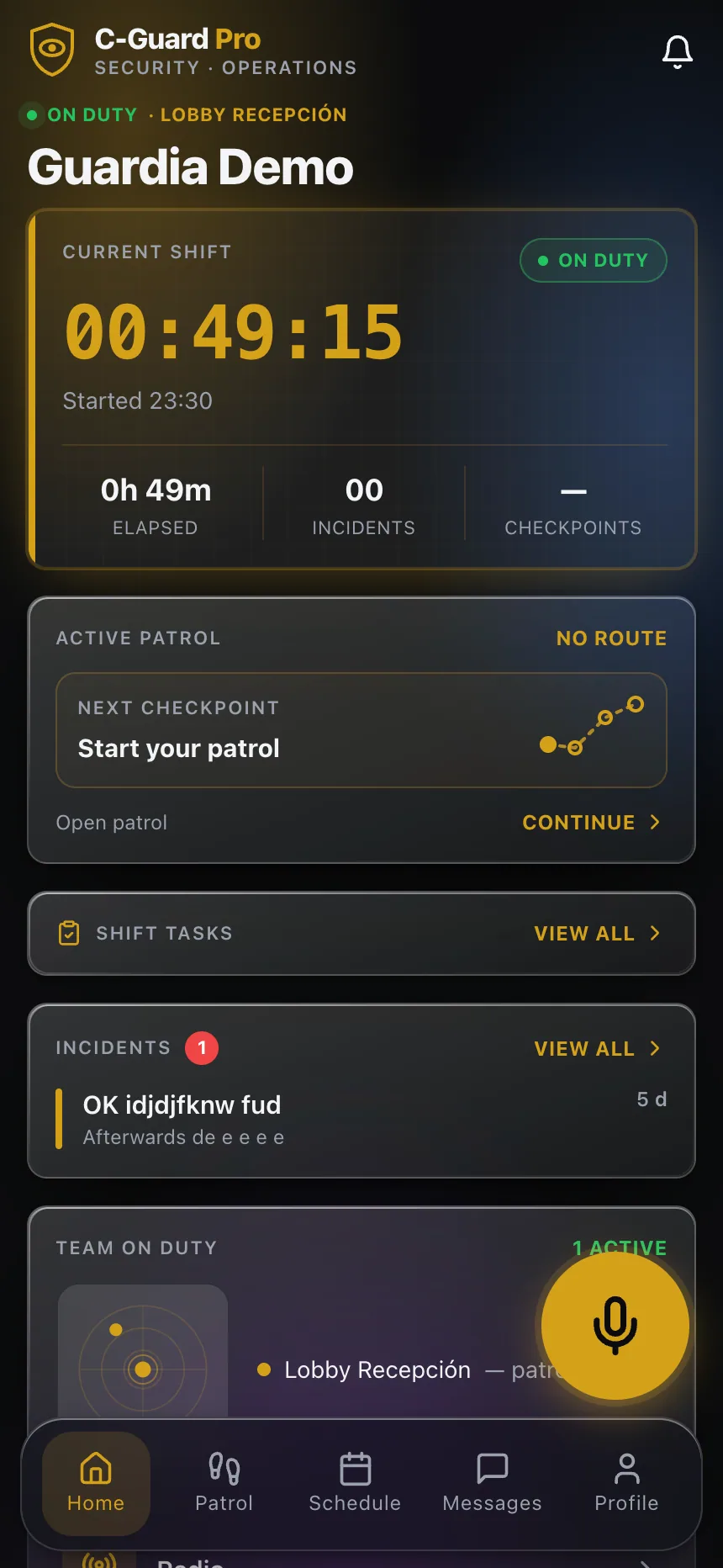
What makes a guard company referable is almost always operational visibility rather than heroics. Clients recommend vendors who make them look organized to their own management: reports that arrive on time and read cleanly, patrol records they can pull up when a tenant asks whether anyone was there, coverage they do not have to chase.
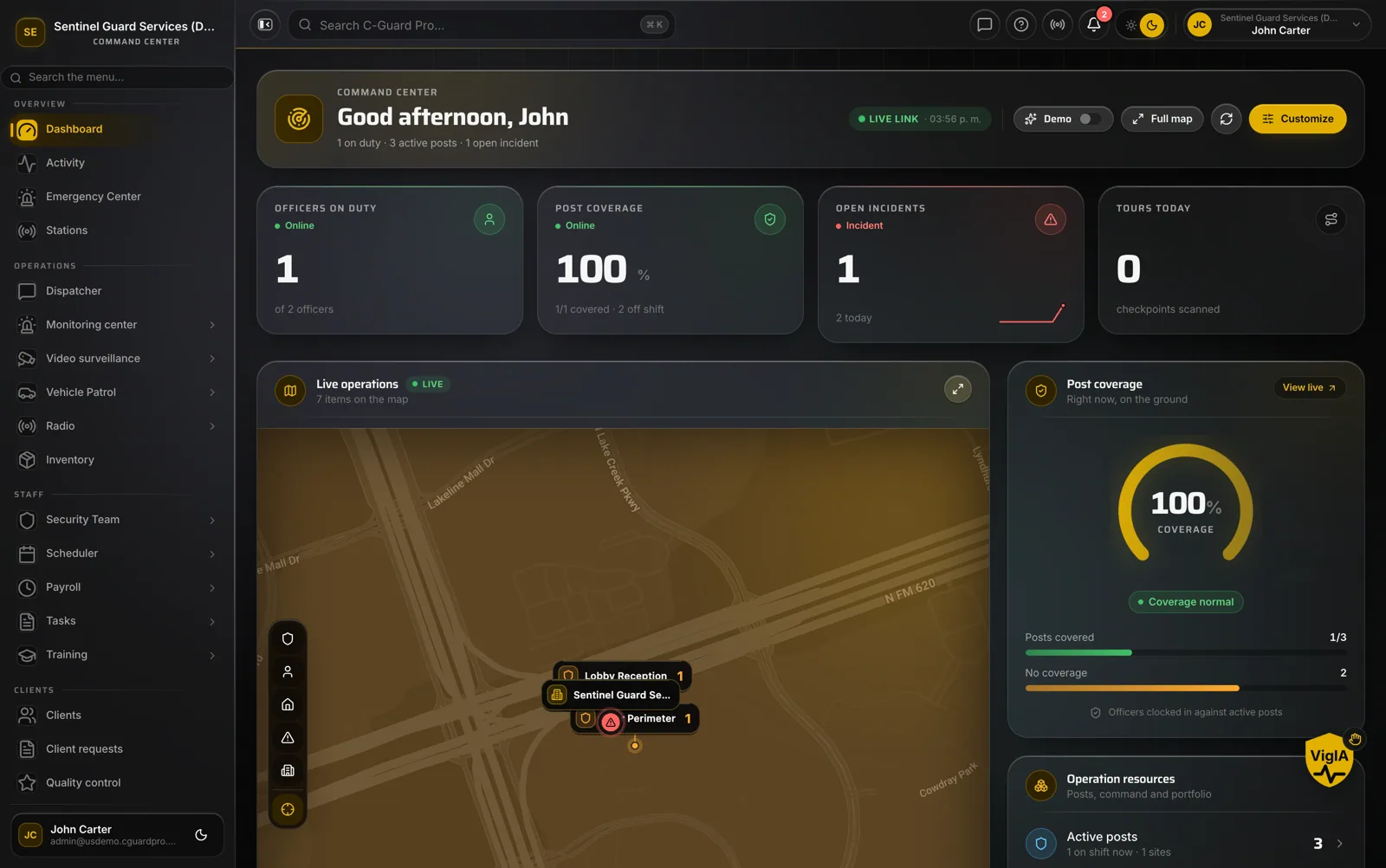
That is a mundane bar and most of the market does not clear it. A property manager who has never once had to call and ask whether the overnight officer showed up will say so when a colleague asks about you. One who has had to chase a daily activity report three times this quarter will say nothing at all, which is functionally a negative referral.
If the reporting is consistent and the patrol record is verifiable, the referral conversation becomes easy for the referrer, because they can point at something specific instead of vouching for a feeling.
What a working security referral program looks like
It is smaller than most people expect. A short list of your genuine referral sources — probably fewer than thirty names across clients, trades and peers. A defined cadence for being in front of them, which for most is simply the quarterly review plus a few deliberate calls a year. A specific ask, tied to a real trigger. A forwardable email. A closed loop.
Incentives, where they are appropriate and permitted, sit on top of that. They never substitute for it.
The companies that grow steadily in this industry are rarely the ones with the best marketing. They are the ones a modest number of well-placed people are willing to vouch for, repeatedly, over years.
If you want to see how a cleaner operational record makes your work easier to recommend, explore CGuardPro or get in touch.