A woman comes back to the mall three days after losing a wallet. The wallet is behind the security desk. It contains her cards, her license and, she says, a substantial amount of cash. There is no cash in it now. There is no record of who turned it in, no record of what was in it when it arrived, and three different officers have worked that desk since. A lost and found procedure exists for exactly this moment, and its primary purpose is not customer service. It is to make sure that when this accusation is made — and it will be made — your officer has a record instead of a word.
The procedure protects the officer first
Most lost and found training is framed around the property owner: be helpful, return items promptly, be courteous. That framing produces compliance theater, because officers do not experience lost property as a service opportunity. They experience it as a liability they did not ask for.
Reframe it honestly in training. The moment a stranger hands your officer an unattended bag, your officer has become the sole person who can be accused of taking anything that is later found to be missing from it. The log, the seal and the witness are not bureaucracy imposed on the officer. They are the officer’s defense. Once officers understand that, compliance stops being a nagging problem, because the incentive finally points the right way.
The second person the procedure protects is the client. A property owner with an undocumented lost and found is holding other people’s belongings with no chain of custody, which is a claim waiting to happen and a reputational problem in a retail or residential setting. Selling a clean procedure to a property manager is easy for exactly this reason.
Logging: the intake record that ends disputes
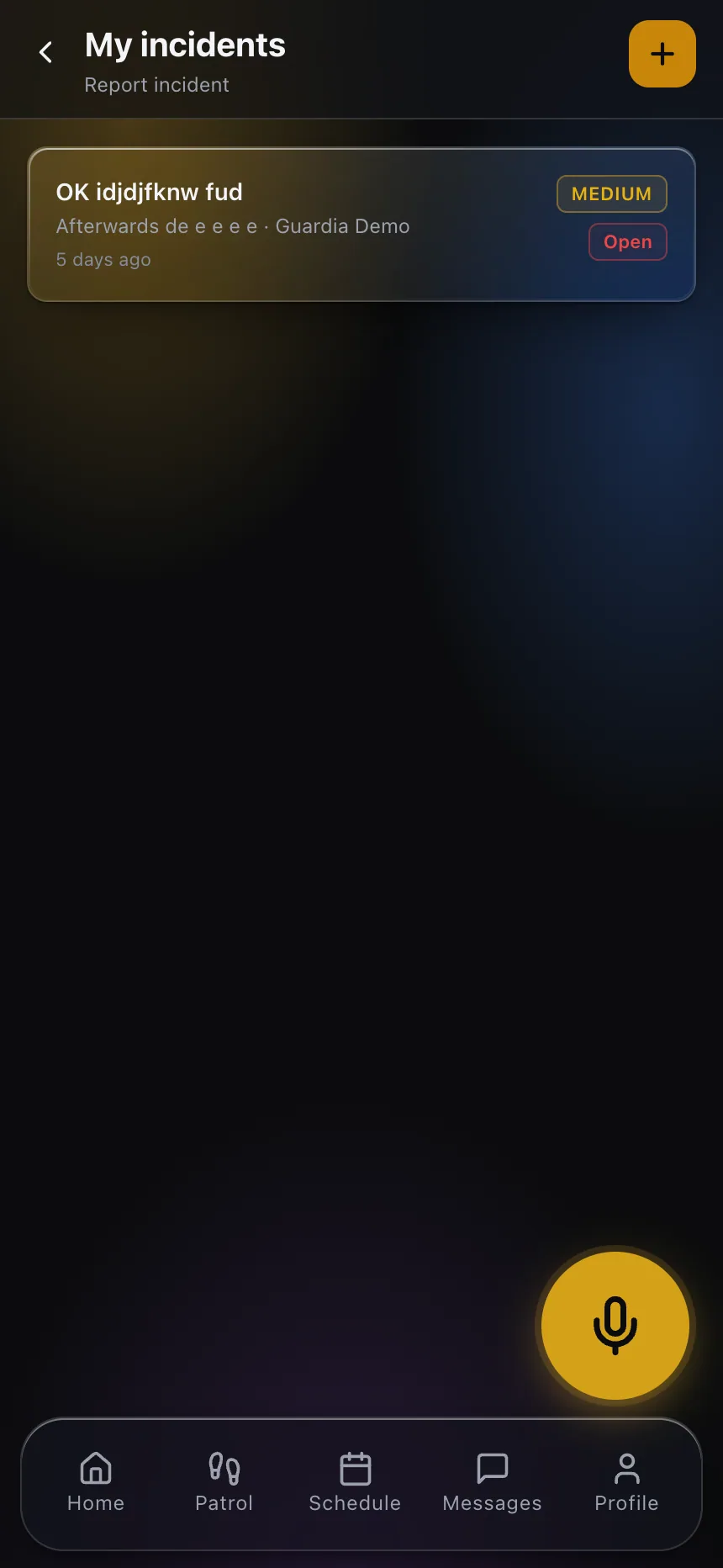
Every item gets a record at the moment it comes into your custody. Not at the end of the shift, not when someone gets around to it — at intake, before the item is stored.
The record needs:
Where and when it was found, as precisely as possible, and who found it. If a member of the public turned it in, capture their name and a contact number when they will give it. Many will not, and that is fine — note that they declined. The refusal itself is information.
A description in neutral, factual language. “Black leather bifold wallet, worn at the corners.” Not “cheap wallet.” Not “expensive-looking purse.” Descriptions that editorialize about value show up badly later if there is a dispute or a claim.
Photographs. This is the single highest-value step and the one most often skipped. Photograph the exterior of the item at intake. Photograph the contents if the item is opened. Timestamped photographs at intake convert “the cash was there when I handed it in” from an unanswerable accusation into a checkable fact.
A unique tag number written on the record and physically attached to the item, so the record and the object cannot drift apart.
The rule about opening items
Whether to open a found bag or wallet is genuinely contested, and reasonable operations land in different places.
The argument for opening: identification inside is usually the fastest route to returning the item to its owner, and an unopened bag of unknown contents sitting in a back room is its own hazard.
The argument against: opening someone’s property invites the accusation you are trying to avoid, and in some contexts — a suspicious package, an item at a site with law enforcement involvement — opening is exactly wrong.
The defensible middle position most operations adopt: open only to identify the owner, only with a second person present as a witness, only in view of a camera where one exists, and photograph the contents before and after. Both people sign the record. If the item is a container that should not be opened for safety reasons, do not open it, and escalate.
Cash gets its own treatment. Count it in front of the witness, record the amount and the denominations, photograph it, and store it separately from the item under a control your officers cannot access alone. Cash in an unsealed drawer behind a desk staffed by rotating officers is a procedure designed to produce an accusation.
Write the rule into the post orders for each site, because the right answer differs between a hospital, a class A office lobby and a stadium. What must never happen is that the officer decides at the moment, alone, with no record.
Storage: sealed, separated, and access-controlled
Store found property in a locked container that is not the same drawer as everything else at the desk. Seal high-value items — a tamper-evident bag with the tag number and a signature across the seal is inexpensive and remarkably effective, because it converts “was anything taken” into a visual check anyone can perform.
Separate by category. Identification documents, cards, keys, phones and cash need tighter control than a jacket or an umbrella. Phones deserve special handling: they ring, they get located remotely by their owners, and an owner who tracks their phone to your building and is told nothing has been turned in will escalate hard. Log phones the moment they arrive and check the log before answering that question.
Access to the storage should be a supervisor function, or at minimum a two-person function for the controlled categories. If any officer on any shift can open the container alone, every officer on every shift is a suspect in every dispute.
Release: identification, description, signature
Releasing an item to the wrong person is worse than never finding it, because you handed someone else’s property to a stranger and documented that you did.
Require three things:
Description before display. The claimant describes the item before you show it or confirm you have it. This is the oldest control in the book and it works. A claimant who can describe the wallet’s color, the contents and a detail that is not visible from outside is very probably the owner. A claimant who says “it’s a wallet, black maybe” is fishing.
Government identification, recorded. Record the type and the name. Whether you may photograph or retain a copy of someone’s ID is not a simple question — the handling of identification data is subject to state privacy and data protection rules that vary and continue to change, and your client may have their own policy. This post is not legal advice; confirm with counsel and with the client what you are permitted to record and how long you may keep it.
A signature at release, with the date, time, the releasing officer, and a photograph of the item as released. That last photo closes the loop: it demonstrates the condition in which the item left your custody.
If the claimed item contained cash, count it with the claimant present before release and have them sign the count.
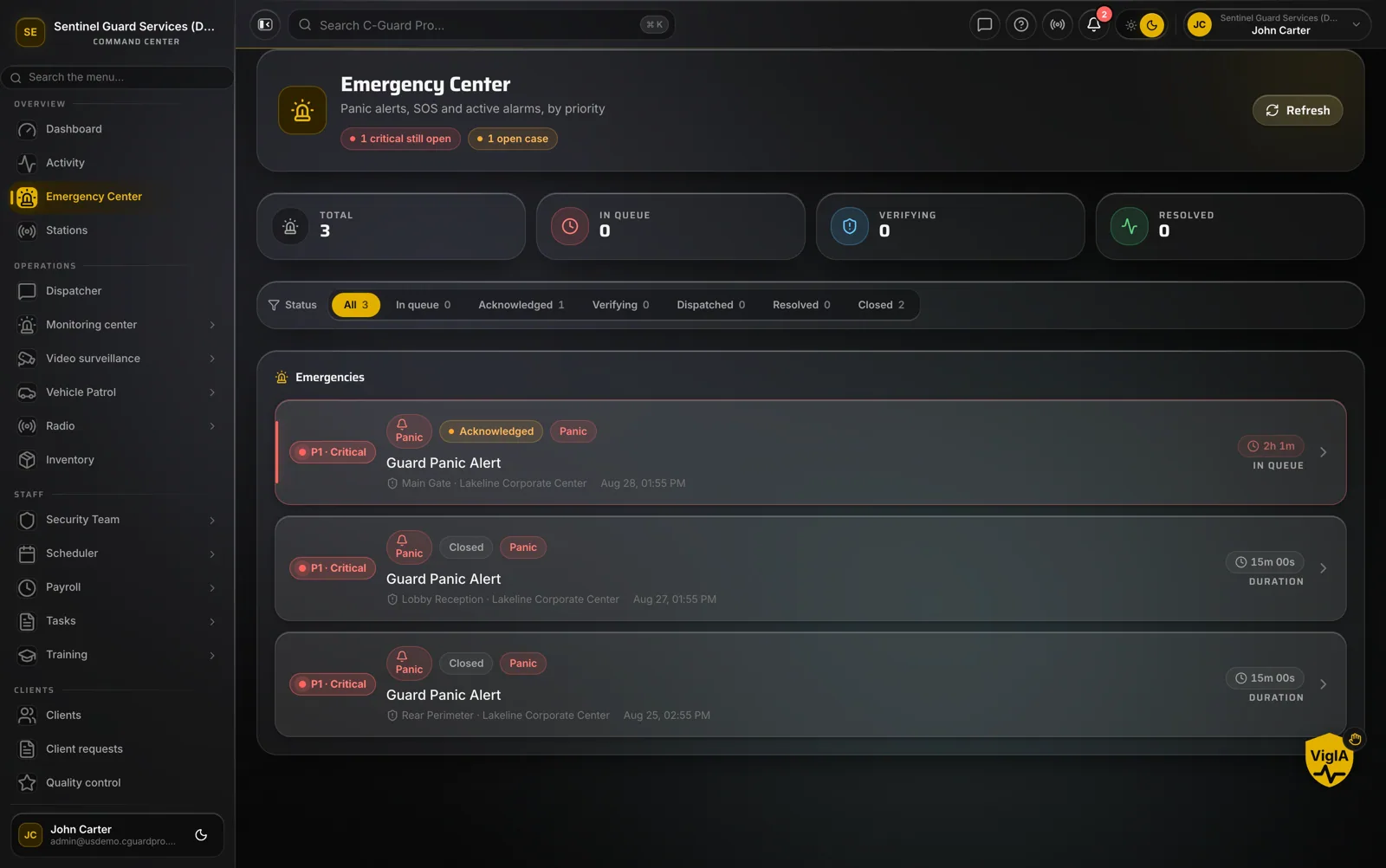
Handling found property through the same incident stream your officers already use for everything else has a practical benefit: supervisors see it in real time. A high-value find at 2 a.m. becomes something a supervisor can act on immediately rather than something discovered in the morning. It also means the item’s whole life — intake, storage, attempted contact, release or disposal — sits in one retrievable record, alongside the daily activity report for the shift it came in on.
Disposal: the timeline question, hedged carefully
Every operation eventually holds items nobody claims. What you may do with them is genuinely a legal question, not an operational preference.
Unclaimed property is governed by state law, and the rules vary substantially by state and sometimes by item type and value. Some jurisdictions impose holding periods, notice requirements, or obligations to turn certain property over to law enforcement or to the state. Found identification documents, firearms, controlled substances and anything that appears to be evidence of a crime are typically handled under separate rules entirely and should go to law enforcement, not into your storage room. Requirements change, and what applies to your client’s property may differ from what applies to yours. This is not legal advice. Confirm your holding periods and disposal rules with counsel and with your client before you write them into a procedure.
What you can control operationally:
- The holding period is written down, per site, agreed with the client, and applied consistently.
- Disposal is recorded with the same rigor as intake: date, method, who authorized it, who witnessed it, photographs.
- Nobody who works for you takes unclaimed property home, ever, regardless of value. This is the rule that prevents a forgotten umbrella from becoming a termination and an accusation of theft against a good officer. Make it absolute precisely because it seems petty — a rule with exceptions is a rule that will be argued about.
- Attempted contact is logged. If you tried the phone number in the wallet three times, record all three attempts. That log is what makes the eventual disposal defensible.
Give the client visibility
A property manager who can see the found-property log — what came in, what went out, what is still held — is a property manager who will back your officer when a claim is made. Without that visibility, the client hears only one side, and it is the angry side.
Making the log available through a client portal also solves a real workflow problem: tenants and shoppers frequently ask the property’s staff rather than security, and if the property’s staff cannot check, they promise things that are not true.
Start with two changes if you can only make two. Photograph everything at intake, and require a witness for anything opened or containing cash. Those two habits eliminate most of the accusations that actually get made, and they cost nothing but a minute of an officer’s time.
If you want to see how found property, incidents and shift records live in one operation, explore CGuardPro or get in touch.